סקירה כללית
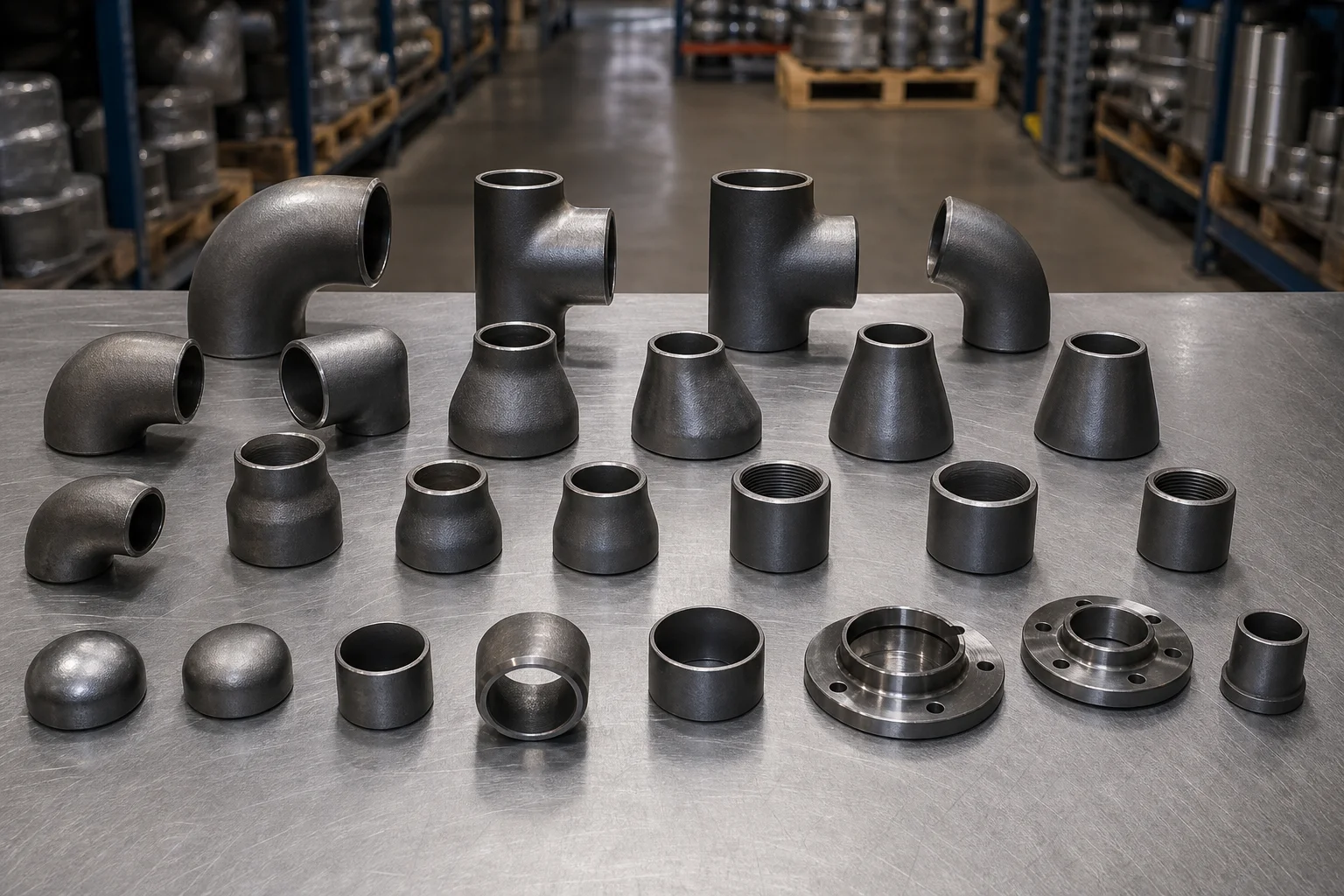
טי צינורות מחלקים או משלבים זרימה דרך ענף שבדרך כלל מכוון ב-90 מעלות לריצה. לטיז שווים יש את אותה ריצה נומינלית וגודל ענף, בעוד לטיז מצמצמים משתמשים בענף קטן יותר או שילוב של קצוות מצמצמים. Y tees, wyes ו-lateral tees מציגים את הענף בזווית, בדרך כלל בסביבות 45 מעלות, אך המינוח המסחרי משתנה לפי תעשייה וסטנדרט אזורי.
בקשה ל"מפרק טי" או "התאמת 45" אינה שלמה. הספק צריך גדלי ריצה, גודל סניף, זווית, עובי דופן או סוג, חומר, סוג חיבור, תקן מוצר, מידות, כמות ותנאי שירות.
למה זה חשוב עבור רכיבי צינור
גיאומטריית ענפים משפיעה על ירידת לחץ, שחיקה, ניקוז, פיג'ינג, ריכוז מתח ומרחב ייצור. טי של 90 מעלות ו-45 מעלות לרוחב אינם ניתנים להחלפה פשוט כי הם מחברים את אותם גדלים. ענף מפוברק, שקע מזויף וטי מתוצרת המפעל משתמשים גם במסלולי עיצוב ובדיקה שונים.
עובי הדופן סביב אזור המפשעה ופתח הענף הוא קריטי. לוח הזמנים של הצינור הנומינלי לא תמיד מתאר את העובי שנוצר המקומי. עבור עומסים גבוהים או שירות חמור, תכנון הצנרת עשוי לדרוש חישובי חיזוק, ניתוח גמישות ענפים או NDE מיוחד.
כיוון הזרימה יכול להיות חשוב בשירות דו-פאזי, תרחיץ, קיטור ושחיקה. יש להציג את כיוון הענף על הפרשנות האיזומטרי ולא להשאיר לשדה.
שיטות, פרמטרים או תהליך
ציין תחילה את ההתאמה לפי גיאומטריה, ולאחר מכן הגדר חומר, קיר, קצוות ובדיקה.
| הוֹלֵם | גֵאוֹמֶטרִיָה | נתוני הצעת מחיר עיקריים |
|---|---|---|
| טי שווה | סניף 90 מעלות; כל הקצוות באותו גודל נומינלי | גודל ריצה, גודל ענף, קיר, חומר, הכנת סוף |
| טי צמצום | סניף 90 מעלות או ריצה בגודל שונה | כל שלושת גדלי הקצה ודרישות הקיר |
| טי לרוחב | ענף זוויתי, מצוין לעתים קרובות על ידי גיאומטריית הפרויקט | זווית, מידות קו מרכז, כיוון, בסיס חיזוק |
| Y טי או Wye | שני נתיבי זרימה נפגשים או מתחלקים בזווית כלולה | ציור מדויק, גדלי קצה, רדיוס, חומר |
| שקע סניף מזויף | מוצא מחוזק מרותך לראש | כותרת OD/קיר, גודל/סוג סניף, סוג שקע |
| ענף מיוצר | חתוך ומרותך מצינור או צלחת | חישוב עיצוב, פירוט ריתוך, NDE, טיפול בחום |
רשימת ספקים ובדיקה
- ציין את סוג ההתאמה המדויק ואת זווית הענף.
- ציינו את כל הגדלים הנומינליים של הריצה והסניפים.
- ספק OD וקיר בפועל שבהם מערכות נומינליות יכולות להיות מעורפלות.
- אשר בנייה שווה, מצטמצמת, לרוחב, וויי או מפוברקת.
- ציין קצוות ריתוך קת, ריתוך שקעים, הברגה, חריצים או אוגן.
- בדוק את מידות המרכז לקצה ואת כיוון הענף.
- ודא את דרגת החומר, טיפול בחום ועקיבות.
- בדוק את עובי המפשעה, יצירת סימנים, תיקוני ריתוך וגיאומטריית הקצה.
- הגדר בדיקת NDE, קשיות, השפעה ולחץ במידת הצורך.
- בקש ציור עבור זוויות לא סטנדרטיות, גדלים גדולים או אביזרים מפוברקים.
יישום על אביזרי צנרת, שסתומים ואוגנים
טי-ריתוך קת נפוצים במערכות תהליך וצינורות. טי מחושלים עם הברגה וריתוך שקעים משרתים צנרת בעלת קדרות קטנות יותר. טיז עם אוגן משמשים במפעלי מים וחיבורי ציוד אך עוקבים אחר מערכות מימדיות שונות.
טי Y יכול להפחית את שינוי הכיוון בהשוואה לענף חד של 90 מעלות, אך הוא תופס יותר מקום ואינו פותר אוטומטית בעיות שחיקה או חלוקת זרימה. שסתומים המותקנים ישירות בסניף זקוקים למרווח נאות, תמיכה והתחשבות בעומסי הסניף.
שאלות נפוצות
מה ההבדל בין טי ל-Y?
לטי רגיל יש בדרך כלל ענף של 90 מעלות. טי או wye של Y מציגים את הענף בזווית ויש להגדיר אותם באמצעות ציור או תקן.
האם התאמה של 45 מעלות היא תמיד טי לרוחב?
לא. הביטוי יכול להיות גם מרפק של 45 מעלות או רכיב ענף אחר. הבהירו את מספר הפתחים והגיאומטריה.
האם לטי מצמצם יכול להיות עובי דופן שונה בכל קצה?
כן כאשר העיצוב דורש זאת, אך יש לציין או לאמת כל קיר קצה ומעבר.
האם ענף מפוברק שווה לטי מתוצרת המפעל?
לא אוטומטית. העיצוב, הריתוכים, החיזוק, הטיפול בחום, המידות ותוואי הבדיקה שונים.
מה צריך להופיע על הציור?
גדלי קצוות, זווית, ממדי קו מרכז, קיר, שיפועים, חומר, כיוון זרימה וכל דרישות חיזוק או NDE.
השלבים הבאים
החלף מונחים גנריים כגון "מפרק טי" או "התאמה של 45" בתיאור מלא של התאמת ענף. צרף ציור איזומטרי או ייצור לענפים מזווים ומצמצמים.
בקש הצעת מחיר