

Overview
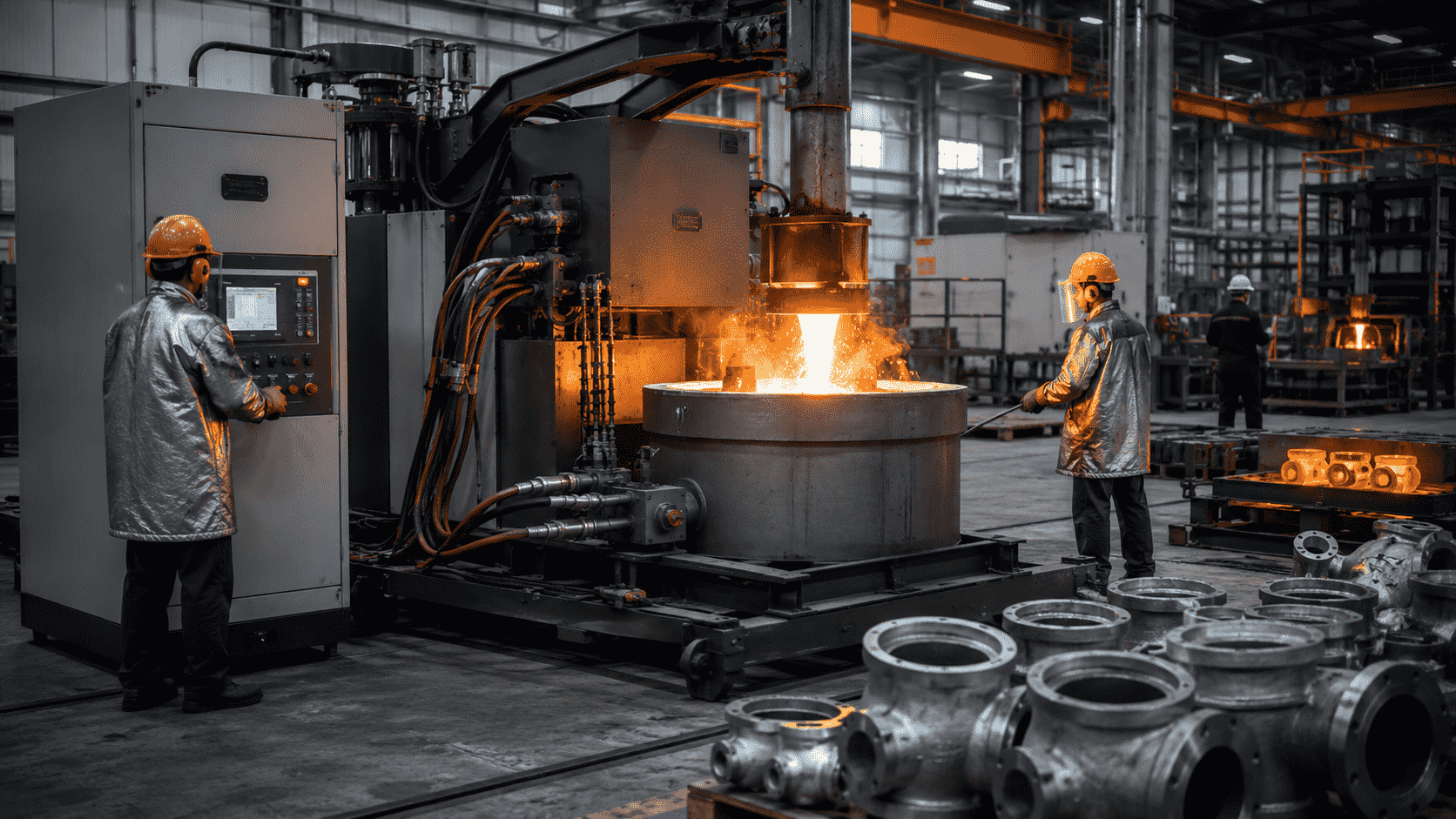
Medium frequency induction furnace is a practical quality and procurement topic for buyers of industrial pipe fittings, flanges, and valves. In this context, the focus is Energy efficiency, melt quality, with special attention to Consistent chemistry in batches.
The main buyer objective is to convert a technical requirement into clear supplier instructions. When the RFQ defines scope, standards, inspection points, and documentation before production, the supplier can quote more accurately and the buyer can reduce risk before shipment.
Why It Matters for Pipe Components
Pipe components are not isolated metal parts; they connect pressure systems, support welding or bolting loads, and must fit into project schedules. A small problem in material, dimension, testing, coating, machining, or logistics can delay installation and create costs that are much higher than the original part value.
For this reason, medium frequency induction furnace should be reviewed as part of the full supply chain. Buyers should look at process design, material control, mold or furnace discipline, and defect prevention. A supplier that can explain these controls clearly is usually easier to qualify for repeat orders and project packages.
The risk is especially visible in carbon steel, stainless steel, alloy steel, and custom components. Elbows, tees, reducers, couplings, branch outlets, valve bodies, flanges, and special machined parts may all require different inspection levels. If the requirement is vague, the supplier may assume a lower inspection level than the end user expects.
Ignoring this subject can lead to porosity, shrinkage, inclusions, distortion, repair welding, or machining scrap. Many of these problems appear late: after machining, after coating, at warehouse receiving, during welding, or during site installation. Early clarification is therefore a direct cost-control tool, not only a quality formality.
Standards and Project Context
The correct requirement depends on the applicable product standard, material grade, pressure class, service environment, drawing revision, and end-user specification. Buyers may reference ASTM, ASME, EN, DIN, JIS, MSS, ISO, or project-specific documents depending on the product and market.
A purchase order should avoid broad phrases such as “standard quality,” “normal inspection,” or “as usual.” Those phrases do not define measurable acceptance criteria. Instead, the RFQ should state the product type, size range, material grade, manufacturing route, inspection scope, report format, packing requirement, and delivery terms.
Project context also affects cost and lead time. A stock order may only require standard MTC review and normal visual inspection. A refinery, water treatment, marine, power, low-temperature, or OEM order may require additional reports, third-party inspection, actual measured values, or sample approval. The buyer should decide this before production begins.
Methods, Parameters, and Process Checkpoints
The following checkpoints help buyers translate medium frequency induction furnace into RFQ language and inspection planning. Adapt them to the project specification, product type, and risk level.
| Checkpoint | What to define or verify | Buyer note |
|---|---|---|
| Material charge control | Steel grade, returns, alloy additions, and heat identity | Reduces wrong-grade and chemistry variation risk |
| Process preparation | Tooling, mold, core, sand, wax, furnace, or atmosphere settings | Controls defects before pouring or forming |
| Temperature / cycle control | Heating, melting, cooling, curing, or preheating records | Improves repeatability for critical batches |
| Defect prevention | Shrinkage, porosity, inclusion, cracking, or distortion controls | Connect risk zones to NDT and machining checks |
| Final validation | MTC, dimensional, NDT, pressure, or heat treatment records | Confirms the process produced acceptable parts |
A practical workflow starts with drawing and specification review. The supplier should confirm whether the requested product can be manufactured, tested, inspected, packed, and shipped under the buyer’s requirements. Any exception should be discussed before the purchase order is released.
Final release should connect the physical goods to the documentation package. Product markings, heat numbers, item numbers, inspection reports, packing lists, and invoice descriptions should match.
Supplier and Inspection Checklist
- Confirm the applicable material grade, product standard, and drawing revision before quotation.
- Define the manufacturing route and the inspection stage where the requirement applies.
- Require reports with actual values when the project needs technical approval.
- Link MTCs, test reports, dimensional reports, and packing lists to heat numbers or item numbers.
- Clarify sampling rules, acceptance criteria, retest policy, and rejection handling before production.
- Ask whether the supplier performs the process in-house or through a qualified partner.
- Confirm that measuring tools, gauges, or inspection equipment are suitable for the product size and tolerance.
- Include first-article inspection for custom or newly developed parts.
- Review packing protection for machined faces, threads, bevels, coatings, and sealing areas.
- For critical service, plan third-party inspection or document approval before shipment release.
Application to Pipe Fittings, Valves, and Flanges
For pipe fittings, medium frequency induction furnace can affect elbows, tees, reducers, caps, couplings, unions, branch outlets, socket weld fittings, threaded fittings, and custom specials. The buyer should focus on the features that influence welding, pressure service, assembly, corrosion protection, or end-user acceptance.
For valves, the same topic may apply to bodies, bonnets, covers, stems, seats, discs, end connections, and pressure-retaining cast or forged parts. Valve components often require closer control because sealing, pressure testing, operation, and final assembly depend on several related dimensions and material records.
For flanges, buyers should review the requirement together with material traceability, facing type, bore, pressure class, bolt-hole pattern, sealing surface quality, coating, and packing protection. Where Consistent chemistry in batches is involved, reports should clearly match the delivered flange or flange-connected component.
FAQ
Is medium frequency induction furnace required on every pipe component order?
No. Requirement depends on material grade, product standard, service condition, end-user specification, and order risk. Standard stock items may need a lighter document package, while custom, pressure-retaining, low-temperature, marine, or EPC project items often require more detailed verification.
What should buyers include in the RFQ?
Include product description, material grade, standard, drawing revision, size range, quantity, inspection scope, acceptance criteria, report format, packing requirement, and delivery terms. If the project requires third-party inspection or actual measured values, state that before pricing is finalized.
How can buyers verify supplier capability before placing a large order?
Ask for sample reports from similar products, review equipment and process photos when useful, require first-article inspection for new parts, and check how the supplier maintains traceability from material to finished goods. For critical orders, use a third-party witness point or pre-shipment document review.
Next Steps
For pipe fittings, valves, flanges, or custom pipe equipment where medium frequency induction furnace affects quality, delivery, or project approval, share your drawings, standards, material grades, inspection requirements, and delivery schedule with Hebei Noan Pipe Equipment. Clear technical inputs help align production planning, documentation, traceability, and shipment readiness.
Request a Quote