סקירה כללית
פלדת אל-חלד מסדרת 300 היא קבוצה של ציוני נירוסטה אוסטניטיים בשימוש נרחב בצנרת תעשייתית. דרגות נפוצות כוללות 304, 304L, 316, 316L ו-321. חומרים אלה משמשים עבור אביזרי צנרת, אוגנים, שסתומים וצנרת תהליכית מכיוון שהם מציעים עמידות בפני קורוזיה, יכולת יצירה וריתוך שימושיים.
עבור הקונים, הנקודה העיקרית היא:נירוסטה מסדרת 300 אינה חומר אחד. הדרגה הנכונה חייבת להתאים לנוזל, לטמפרטורה, לסביבת הקורוזיה, לדרישת הריתוך ולתקן הפרויקט.
למה זה חשוב עבור רכיבי צינור
אביזרי צנרת ואוגנים מתמודדים עם חום, לחץ, קורוזיה ועומסים מכניים בריתוך. בחירת החומר משפיעה על חיי השירות ועלות התחזוקה. 304 עשוי להתאים לשירותים כלליים רבים, בעוד ש-316 או 316L עשויים להיות מועדפים כאשר יש צורך בחשיפה לכלוריד או עמידות חזקה יותר בפני קורוזיה. 321 עשוי להיבחר בחלק מהיישומים הקשורים לטמפרטורה גבוהה או לייצוב, אך יש לבדוק את מפרט הפרויקט.
אם ה-RFQ אומר רק "נירוסטה מסדרת 300", הספק צריך הבהרה. יש לציין את המוצר הסופי לפי ציון מדויק, כגון ASTM A403 WP304, ASTM A403 WP316L, ASTM A182 F316L, או מקבילה ספציפית לפרויקט.
שיטות, פרמטרים או תהליך
גישה בסיסית לבחירת חומרים מוצגת להלן.
| משפחת כיתה | סיבה אופיינית לבחירה | מוצרים נפוצים |
|---|---|---|
| 304 / 304 ל' | שירות נירוסטה כללי | מרפקים, טי, מפחיתים, כובעים, אוגנים |
| 316 / 316 ל' | עמידות טובה יותר בפני קורוזיה בשירותים תעשייתיים רבים | אביזרי תהליך, אוגנים, שסתומים |
| 321 | כיתה יציבה עבור יישומים ספציפיים הקשורים לטמפרטורה | אבזור ורכיבים נבחרים |
תהליך הבחירה:
1. זהה את הנוזל וסביבת הפעולה. 2. אשר את תנאי הטמפרטורה והלחץ. 3. בדקו האם נדרש ריתוך. 4. אשר את תקן החומר הרלוונטי. 5. אשר דרישות תעודה ובדיקה. 6. הימנע מהחלפה מהותית ללא אישור בכתב.
רשימת ספקים ובדיקה
- אשר ציון מדויק, לא רק "נירוסטה".
- בדוק ASTM, EN, או תקן חומר פרויקט.
- בקש MTC עבור ערכים כימיים ומכאניים.
- השתמש ב-PMI במידת הצורך.
- אשר טיפול פני השטח כגון כבישה או פסיבציה אם צוין.
- בדוק סימון מספרי חום ועקיבות.
- אשר אם נדרש חומר בדרגה L.
יישום על אביזרי צנרת, שסתומים ואוגנים
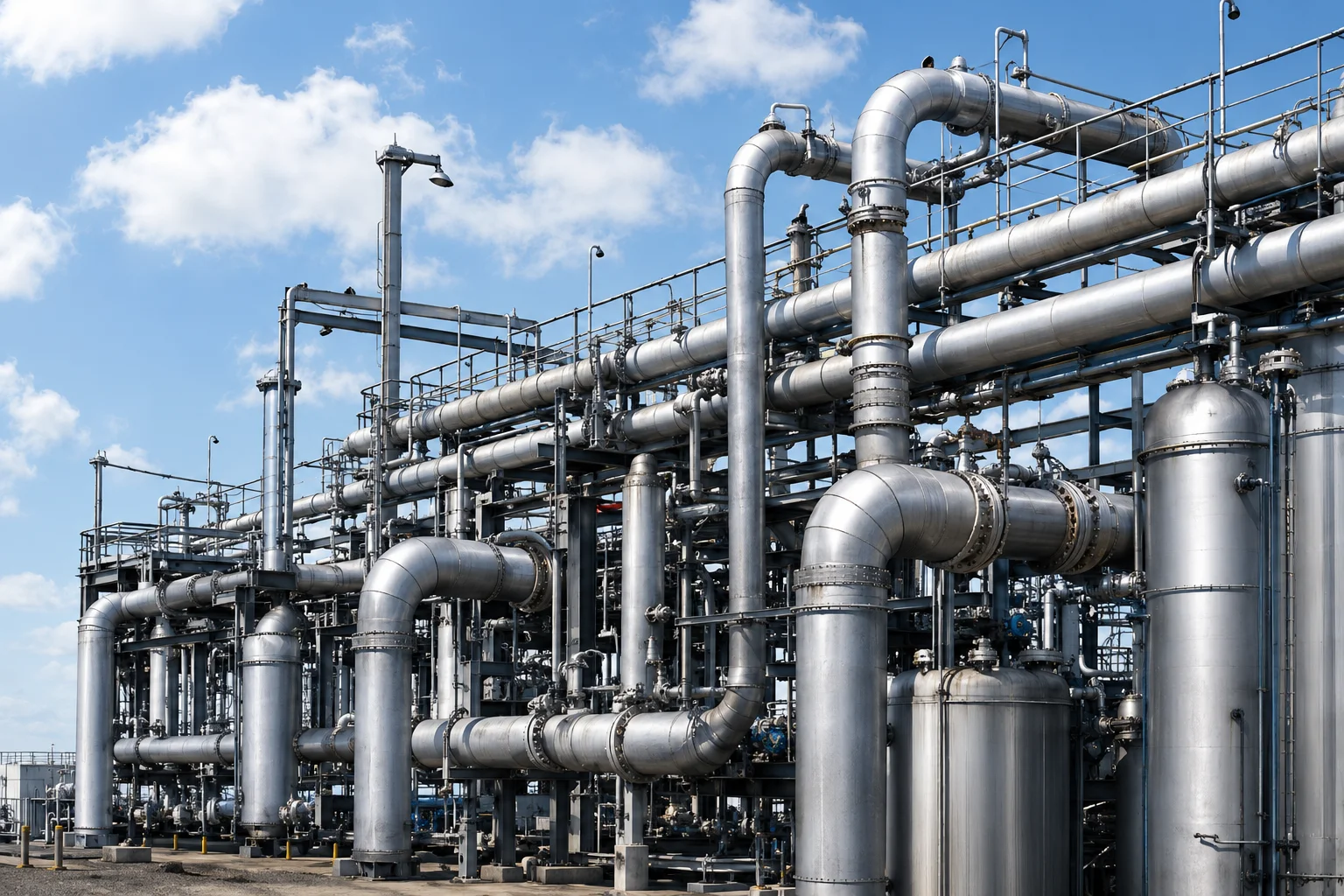
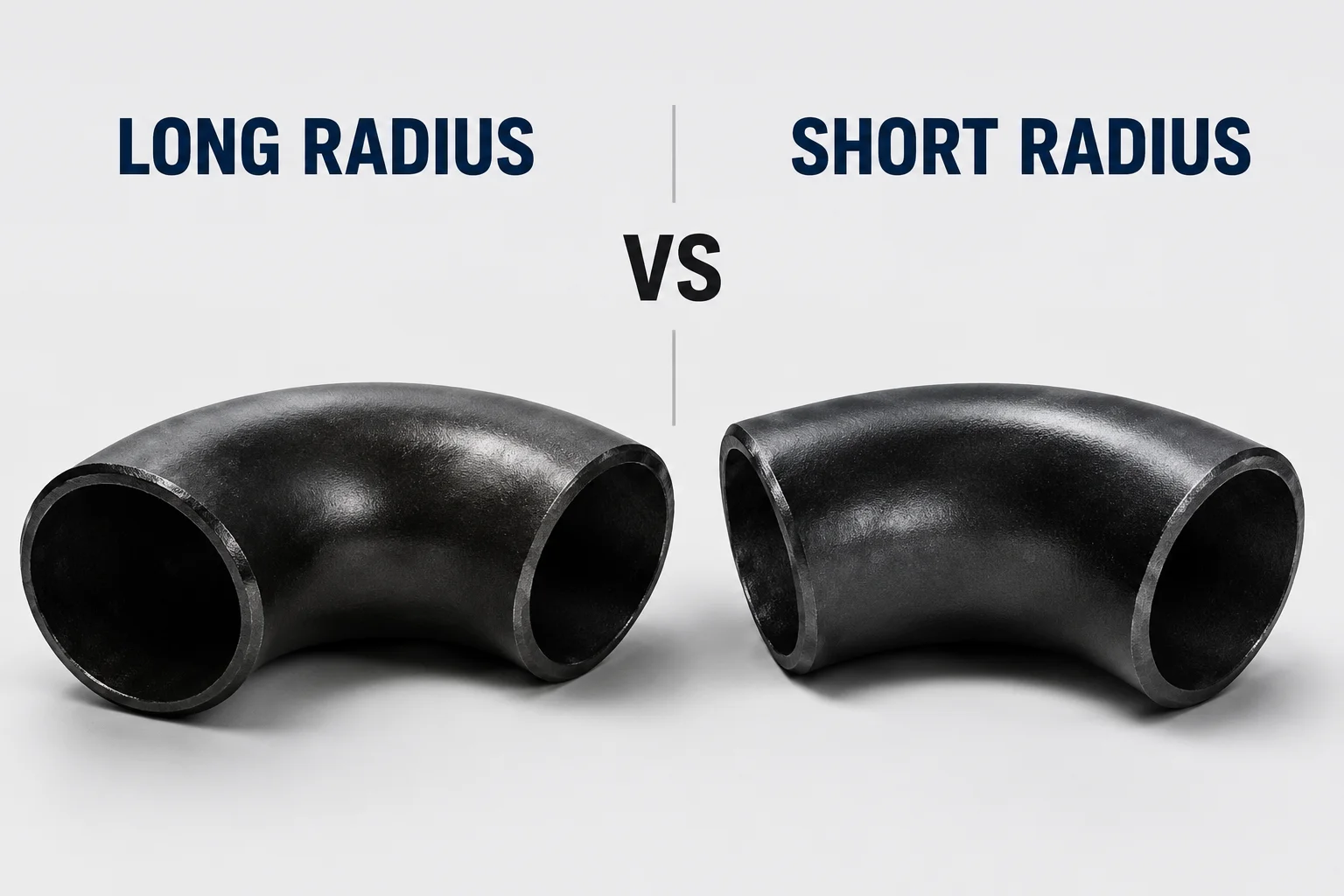
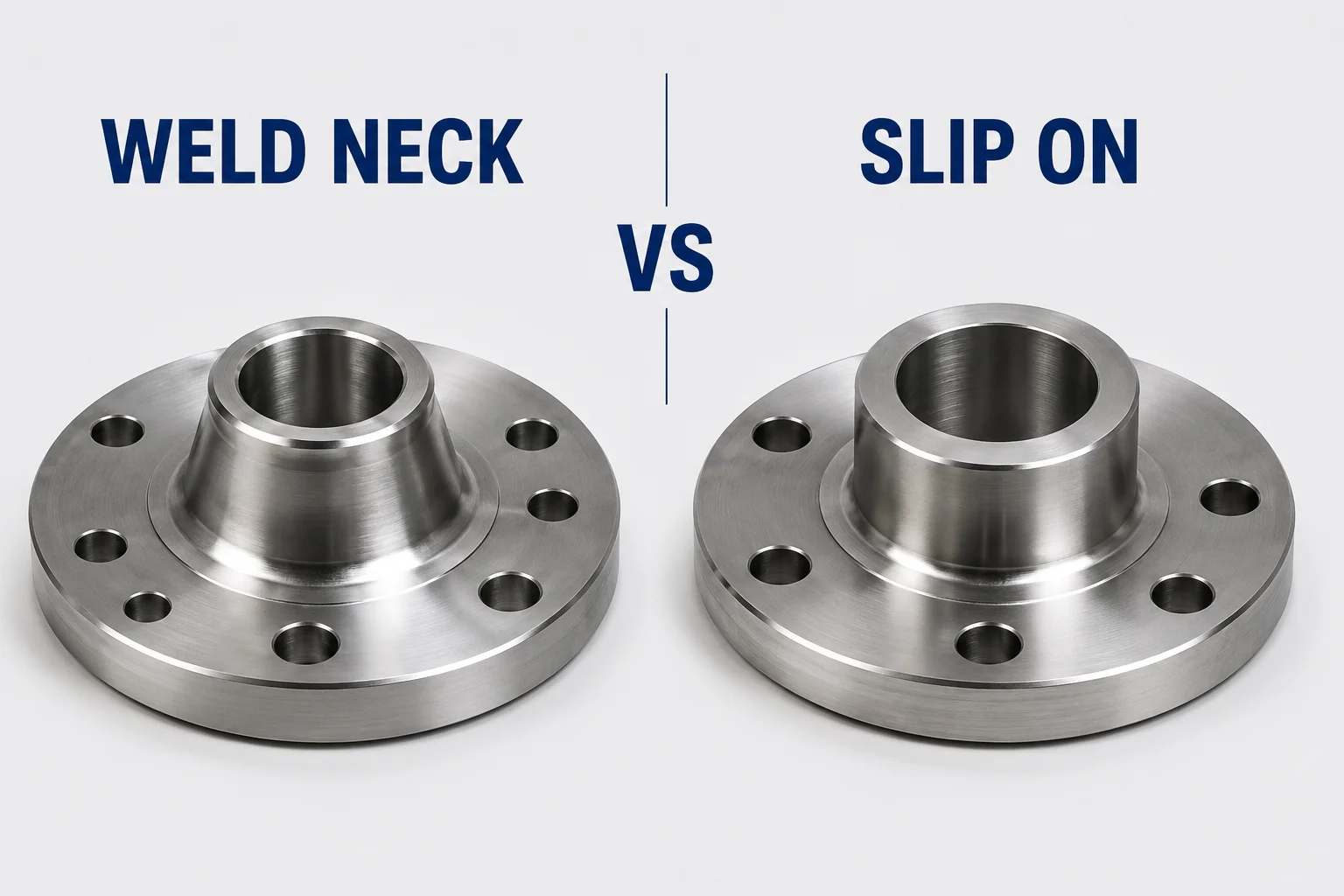
נירוסטה מסדרת 300 נמצאת בשימוש נרחב במפעלים כימיים, טיפול במים, כלי עזר למזון, שירותים פרמצבטיים, מערכות הקשורות ימיות וקווי קירור תעשייתיים. המוצרים עשויים לכלול מרפקים לריתוך תחת, טי, מפחיתים, מכסי צינור, אוגני צוואר ריתוך, אוגנים להחליק, אוגנים עיוורים וגופי שסתומים.
מאמר זה צריך לשמש כעמוד עמוד לתכולת חומרי נירוסטה. זה יכול לקשר ל-316 לעומת 316L, 304 לעומת 321, אביזרי צינורות מנירוסטה, ואוגנים מנירוסטה.
שאלות נפוצות
מהי נירוסטה מסדרת 300?
זוהי קבוצה של כיתות נירוסטה אוסטניטיות כולל ציונים נפוצים כגון 304, 316, 316L ו-321.
האם 316 עדיף על 304?
316 מספק לעתים קרובות עמידות טובה יותר בפני קורוזיה בסביבות מסוימות, אך 304 עשוי להיות מתאים וחסכוני יותר עבור שירותים כלליים רבים.
האם נדרש 316L עבור אביזרים מרותכים?
פרויקטים מסוימים מעדיפים או דורשים 316L עבור יישומים מרותכים. יש לבדוק את מפרט הפרויקט.
מה צריכים קונים לבקש מספקים?
על הקונים לבקש ציון מדויק, תקן, גודל, לוח זמנים, כמות, MTC וכל מסמכי בדיקה נדרשים.
השלבים הבאים
אם אתה בוחר באביזרים או אוגנים של צינורות נירוסטה, שלח את הדרגה, התקן, הגודל, עובי הדופן, הכמות ומצב השירות. Nuoan יכולה לעזור להתאים את החומר ולהכין מסמכים תומכים.
בקש הצעת מחיר