Descripción general
304 y 321 son grados de acero inoxidable de la serie 300, pero no se utilizan exactamente por las mismas razones. 304 es un grado común de acero inoxidable de uso general. 321 es un grado de acero inoxidable estabilizado que puede seleccionarse para ciertas aplicaciones relacionadas con la temperatura cuando la especificación del proyecto lo requiera.
Para los compradores, la regla clave es:No reemplace 321 con 304 solo porque ambos son de acero inoxidable. Siempre verifique las especificaciones del material del proyecto, las condiciones de temperatura y los requisitos de soldadura..
Por qué es importante para los componentes de tuberías
Los accesorios y bridas de tuberías están expuestos a soldaduras, temperatura, presión, corrosión y tensiones mecánicas. Si el proyecto requiere 321, el motivo puede estar relacionado con la temperatura de servicio o los requisitos de estabilidad del material. Si un proveedor cotiza 304, es posible que el producto no cumpla con el requisito de servicio previsto.
El 304 está ampliamente disponible y, a menudo, es económico. 321 puede requerir una búsqueda más cuidadosa y una verificación de certificados. Para proyectos EPC, la calidad del material debe coincidir con el dibujo, la clase de tubería y los requisitos de MTC.
Métodos, parámetros o proceso
Utilice una comparación práctica antes de seleccionar el material.
| Artículo | acero inoxidable 304 | 321 acero inoxidable |
|---|---|---|
| uso común | Servicio general de acero inoxidable. | Servicio específico relacionado con la temperatura cuando sea necesario |
| Disponibilidad | Generalmente común | Puede necesitar stock o producción confirmada |
| Costo | A menudo más bajo | A menudo superior a 304 |
| Sustitución | Debe seguir la aprobación del proyecto. | No debe ser reemplazado sin aprobación |
| Documentación | MTC requerido para proyectos | MTC especialmente importante |
Proceso de selección:
1. Confirmar la especificación del material del proyecto. 2. Verifique la temperatura de funcionamiento y el fluido de servicio. 3. Confirme si hay soldadura involucrada. 4. Solicite la designación correcta del material ASTM o EN. 5. Verificar la composición química en el MTC. 6. Confirme el plazo de entrega antes de ofrecer la entrega.
Lista de verificación de inspección y proveedores
- Confirme si el grado requerido es 304, 304L, 321 u otro grado.
- Solicite MTC con número de serie.
- Confirme el PMI si es necesario.
- Comprobar marcado y trazabilidad de lotes.
- Confirme si el producto es sin costuras, soldado, forjado o basado en placas.
- Evite la sustitución de materiales sin la aprobación por escrito del cliente.
Aplicación a accesorios de tuberías, válvulas y bridas
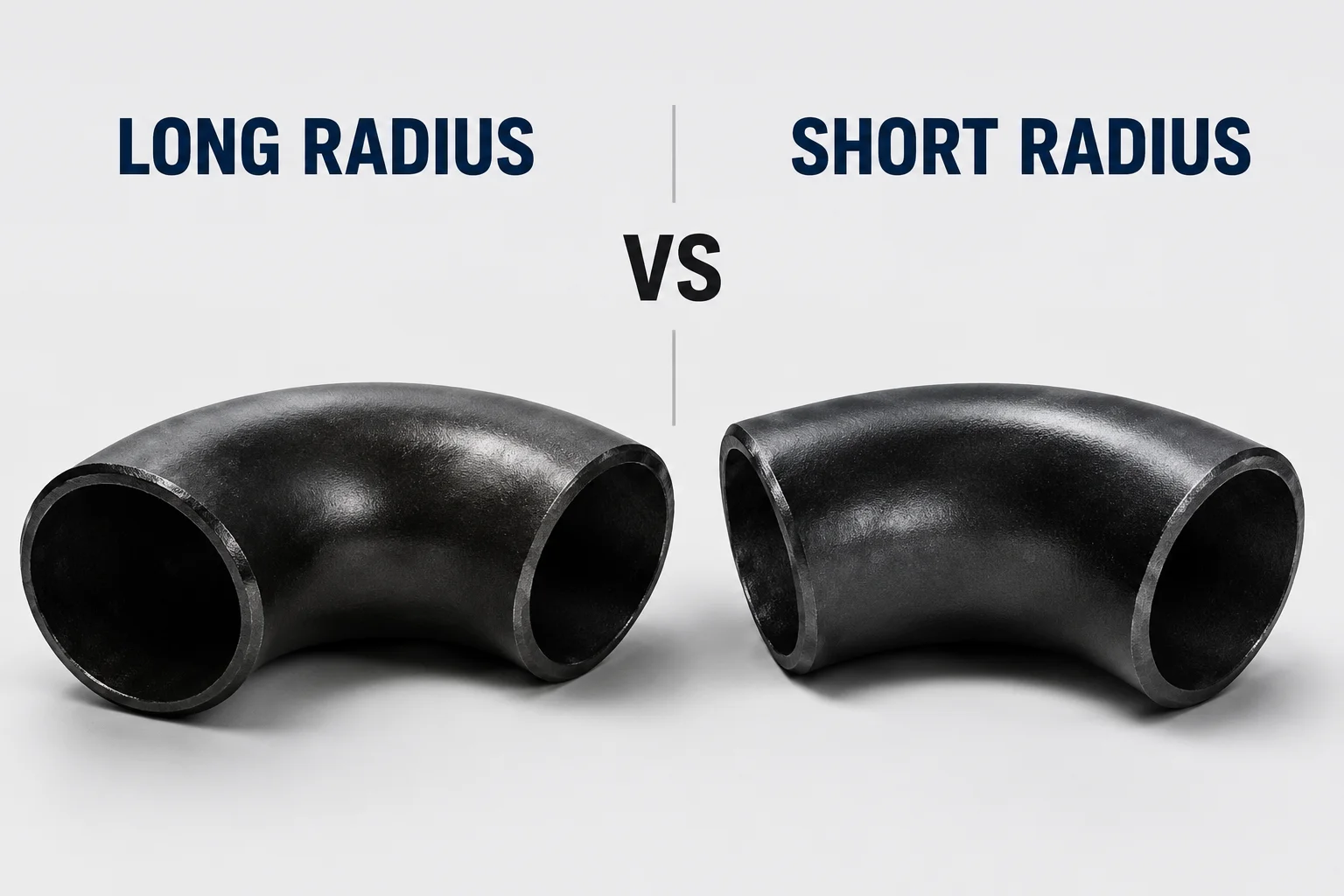
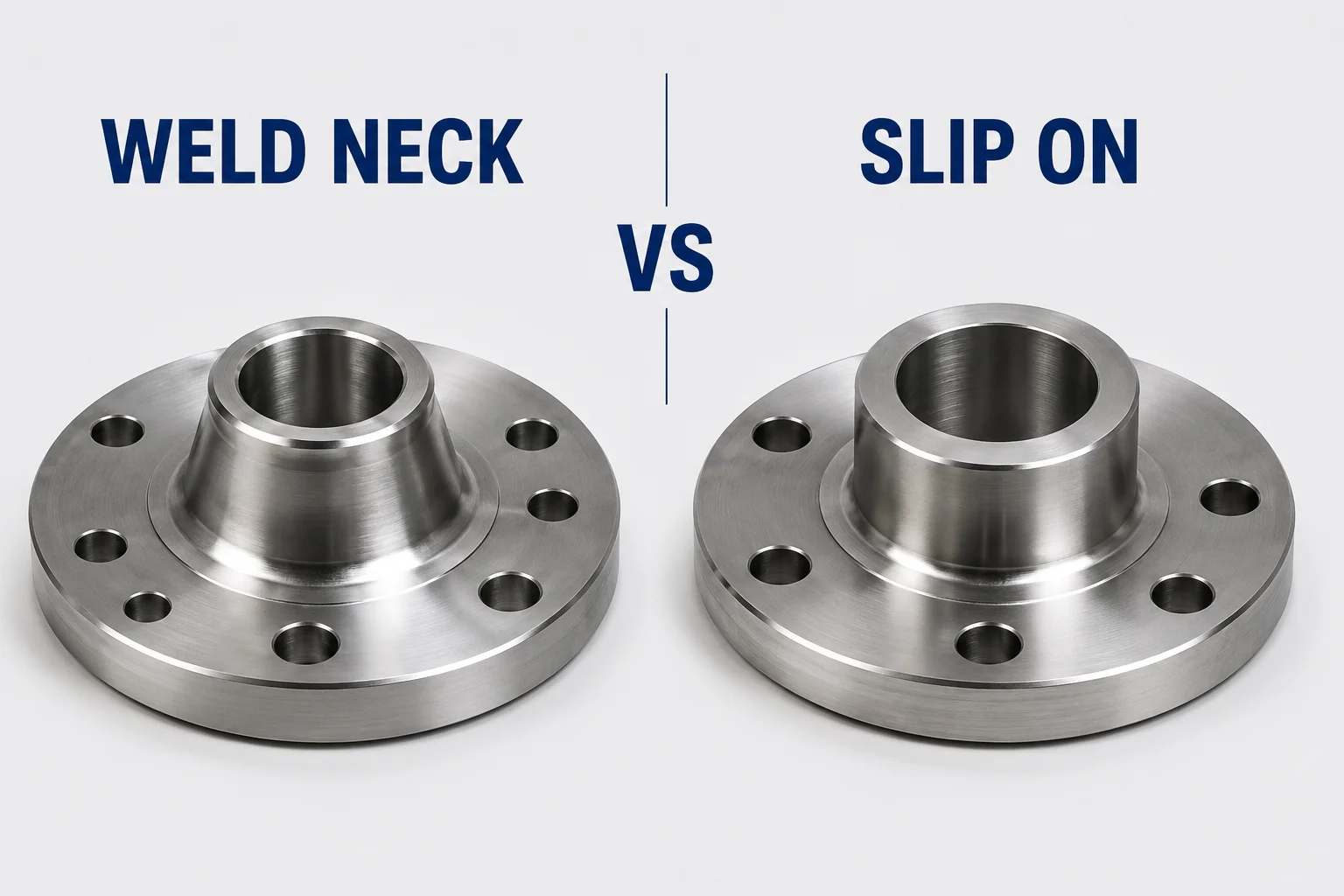
El 304 es común en válvulas, bridas y accesorios de tuberías de acero inoxidable en general. 321 puede seleccionarse para servicios industriales específicos donde el proyecto requiere acero inoxidable estabilizado. Los productos pueden incluir codos, tes, reductores, tapas, bridas con cuello para soldar, bridas deslizantes y bridas ciegas.
Este artículo respalda el grupo de materiales de acero inoxidable y debe vincularse a las páginas de productos de acero inoxidable de la serie 300, 316 vs 316L y de acero inoxidable.
Preguntas frecuentes
¿Es el acero inoxidable 321 mejor que el 304?
No siempre. El 321 se selecciona por razones específicas, mientras que el 304 se usa ampliamente para servicios generales de acero inoxidable. La mejor opción depende de los requisitos del proyecto.
¿Puede el 304 reemplazar al 321?
Sólo si el comprador o el ingeniero de proyecto aprueba la sustitución. No se debe dar por sentado.
¿Es el 321 más caro que el 304?
A menudo es más caro y puede requerir más tiempo de abastecimiento, pero esto depende de las condiciones del mercado y del tipo de producto.
¿Qué documento deben solicitar los compradores?
Solicite un MTC que muestre el número de calor, la composición química, las propiedades mecánicas y el estándar del material.
Próximos pasos
Envíe su especificación de brida o accesorio de tubería de acero inoxidable con requisitos de grado, estándar, tamaño, cronograma, cantidad y inspección. Nuoan puede ayudar a verificar la disponibilidad del material y los detalles de la cotización.
Solicitar una cotización