סקירה כללית
ASME B16.5 מכסה אוגני צינור ואביזרי אוגן מ-NPS 1/2 עד NPS 24 בהיקפו המוצהר. הוא מתייחס לדירוגי לחץ-טמפרטורה, חומרים, מידות, סובלנות, סימון, בדיקה ושיטות לייעוד פתחים. התקן כולל מספר מחלקות לחץ וסוגי אוגן, אך אין זה אומר שכל חומר, סוג וגודל זמינים בכל מחלקה.
"גודלי אוגן של ANSI" היא שפת חיפוש נפוצה מדור קודם. רכישה טכנית נוכחית צריכה להתייחס לתקן ASME החל, המהדורה הנדרשת, גודל נומינלי, סוג, סוג, חזית, חומר, קדח ודרישות בדיקה.
למה זה חשוב עבור רכיבי צינור
אוגן Class 150 אינו מוגדר על ידי ערך לחץ קבוע אחד. שינויי לחץ מותרים עם קבוצת החומר והטמפרטורה. על מהנדס התכנון להשתמש בטבלת הלחץ-טמפרטורת הלחץ ובקוד הצנרת הנכונים.
מידות ASME B16.5 חלות רק במסגרת התקן. גדלי NPS גדולים יותר יכולים ליפול תחת ASME B16.47 או תקן אחר. לאוגן יכול להיות הקוטר החיצוני הנכון אבל הקדח, החזית, עיגול הברגים, גודל החור, העובי או החומר הלא נכון.
התקן גם אינו בוחר את האטם, חומר ההברגה, לוח הזמנים של הצינור, הליך הריתוך, קצבת הקורוזיה או התאמת השירות עבור הרוכש. יש לתאם פריטים אלו במפרט המשותף המלא.
שיטות, פרמטרים או תהליך
השתמש ב-ASME B16.5 כמסגרת הממדים והדירוג של האוגן, ולאחר מכן הוסף חומר ספציפי לפרויקט ונתונים משותפים.
| שדה הזמנה | מה זה מגדיר | השמטה נפוצה |
|---|---|---|
| מַהֲדוּרָה | דרישות חוזיות ובסיס טבלה | שימוש בקטלוג לא מבוקר |
| NPS וכיתה | בוחר טבלאות ממדים ודירוגים | כתיבה רק OD או "150 פאונד" |
| סוג אוגן | ריתוך צוואר, החלקה, עיוור, הברגה, ריתוך שקעים, מפרק חיק | השמטת שיטת החיבור |
| מוּל | RF, FF, RTJ או הסדר מכוסה אחר | לא תואם אטם או אוגן תואם |
| חוֹמֶר | מפרט פרזול, יציקה או לוח לפי העניין | מבלבל בין ציון חומר לכיתה |
| משעמם/לוח זמנים | התאמה פנימית לצינור המחובר | חסר קדח צוואר ריתוך |
| מסמכים/בדיקות | תעודות והוכחות קבלה לפרויקט | בהנחה שהתקן מגדיר כל מבחן פרויקט |
רשימת ספקים ובדיקה
- אשר את ASME B16.5 הוא תקן האוגן הנכון וטווח הגדלים.
- ציינו את המהדורה הסטנדרטית הנדרשת.
- ציין NPS, מחלקה, סוג אוגן, חזית וחומר.
- ספק לוח זמנים לצינור או קדח היכן שרלוונטי.
- בדוק OD, עובי, רכזת, קידוח, חזית, קדח וסימונים.
- ודא התאמת לחץ-טמפרטורת חומר וטמפרטורת עיצוב.
- אשר את האטם וההברגה כרכיבי מפרקים נפרדים.
- סקור תעודת חומר, טיפול בחום, בדיקות ועקיבות.
- הגדר הגבלות ציפוי על פנים, חוטים וקצוות ריתוך.
- אל תשתמש בתרשים ANSI או ספקים מבלי לאשר את המקור והמהדורה שלו ASME.
יישום על אביזרי צנרת, שסתומים ואוגנים
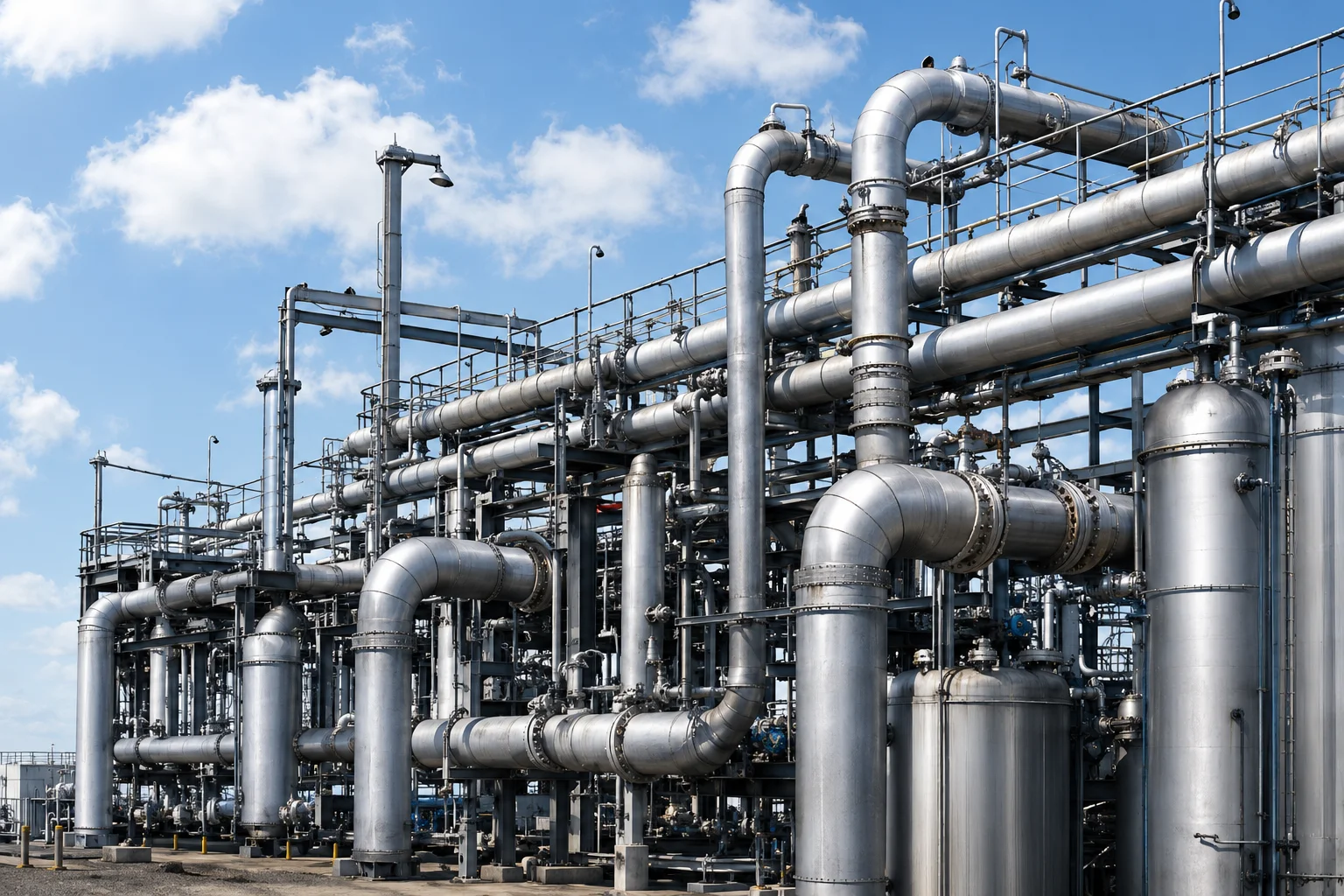
ASME B16.5 נמצא בשימוש נרחב עבור ריתוך צוואר, החלקה, עיוור, הברגה, ריתוך שקעים ומפרקים ברכיים בצנרת תהליך, חשמל, נפט וגז, כימיקלים ושירותים. שסתומים ואביזרים מאוגנים עשויים להשתמש במידות קצה תואמות אך יש להם תקני מוצר משלהם עבור עיצוב הגוף ואורך פנים אל פנים.
עבור NPS מעל טווח B16.5, על המהנדס לבדוק את ASME B16.47 או את תקן הפרויקט הרלוונטי. עבור מחלקות ברזל אפור 25, 125 ו-250, ASME B16.1 הוא תקן שונה ואין להתייחס אליו כהמרת מחלקה ישירה.
שאלות נפוצות
איזה טווח מידות מכסה ASME B16.5?
דף היקף ASME מציין NPS 1/2 עד NPS 24. אשר את המהדורה הנדרשת חוזית וטבלאות מפורטות.
האם ASME B16.5 זהה ל-ANSI B16.5?
תקנים שאושרו בעבר על ידי ANSI שפותחו על ידי ASME, וזו הסיבה ששפה מדורגת נמשכת. רכישה נוכחית צריכה להשתמש בכינוי ASME שפורסם.
מה המשמעות של Class 150?
זהו ייעוד בדרגת לחץ-טמפרטורה, לא מגבלה אוניברסלית של 150 psi.
האם B16.5 מציין חומר אוגן?
הוא כולל דרישות חומר וקבוצות דירוג בתחומו, אך על הרוכש לבחור את מפרט החומר והדרגה המדויקים.
היכן ניתן למצוא גדלי ברגי אוגן?
טבלאות המידות הסטנדרטיות מספקות נתוני קידוח והברגה. השתמש בטבלה נוכחית מורשית וודא את הגודל והמעמד המדויקים.
השלבים הבאים
כתוב את תיאור האוגן המלא של ASME B16.5 על הצעת המחיר ואמת את המהדורה הנוכחית הנדרשת לפרויקט. השתמש בטבלאות מורשות עבור מידות ודירוגי לחץ-טמפרטורת.
בקש הצעת מחיר