Ringkasan
Flensa buta baja karbon menutup ujung pipa dengan aman untuk pemeliharaan, perluasan di masa mendatang, atau penghentian tekanan tinggi. Panduan ini mencakup standar penempaan ASTM A105, desain permukaan terangkat vs datar, manfaat baja karbon, dan praktik terbaik pemasangan.
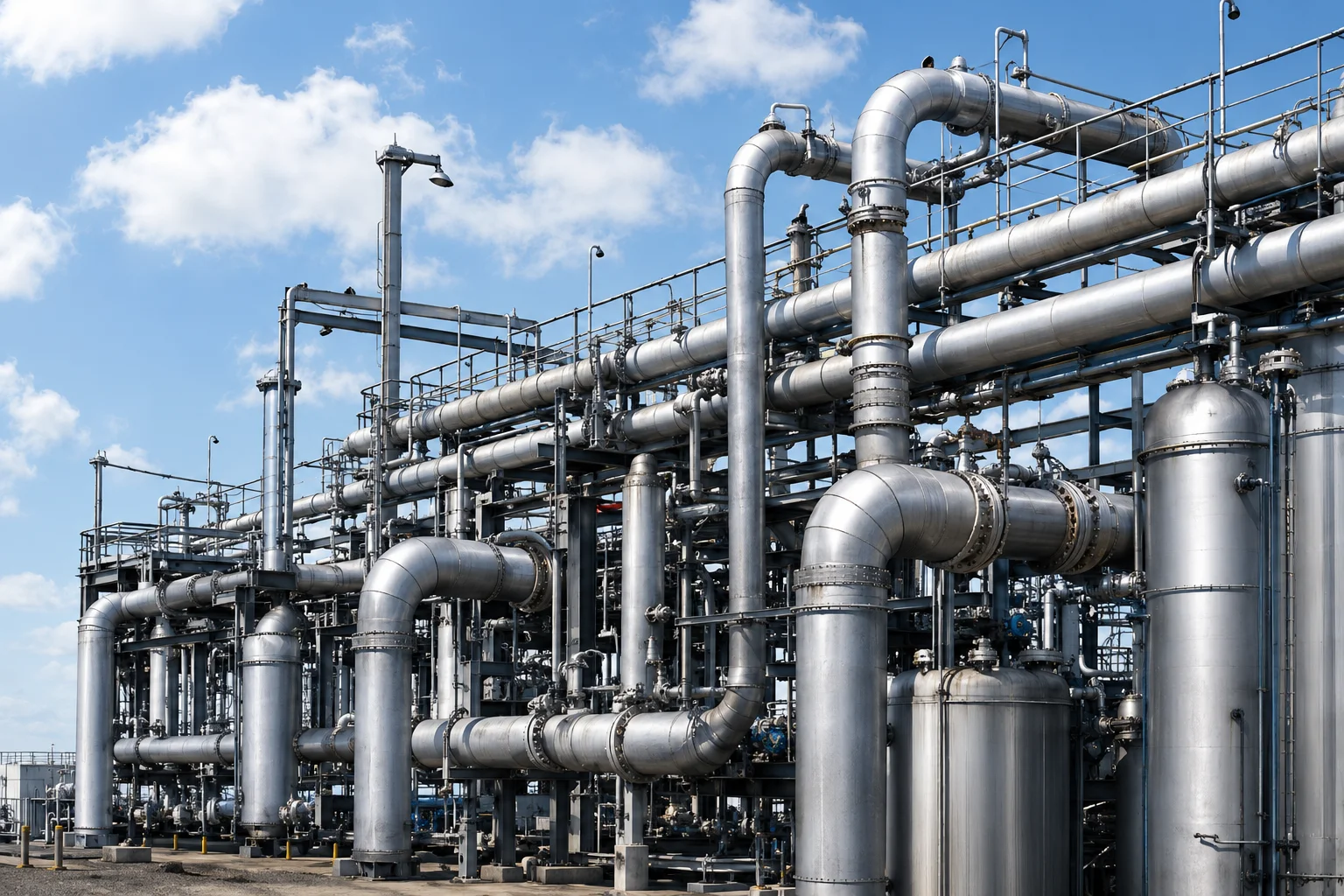
Dalam hal menutup ujung sistem perpipaan industri dengan aman, Flange Buta Baja Karbon adalah kebutuhan mutlak. Jika Anda pernah bertanya pada diri sendiri mengapa menggunakan flensa buta dalam perpipaan, jawaban utamanya terletak pada kemampuannya menghentikan aliran fluida dengan aman. Baik Anda melakukan pemeliharaan rutin, memberikan ruang untuk perluasan saluran di masa mendatang, atau secara khusus menyegel penghentian pipa bertekanan tinggi, perangkat keras tugas berat ini adalah tulang punggung pengelolaan cairan yang aman.
Standar Manufaktur dan Desain
Flensa baja karbon yang andal diproduksi untuk memenuhi permintaan industri yang ketat. Mayoritas flensa ini dibuat sesuai spesifikasi penempaan ASTM A105, yang memastikan logam dapat menangani tekanan mekanis yang ekstrem. Saat para insinyur mengevaluasi komponen baja tempa vs baja tuang, baja tempa selalu menjadi pilihan utama untuk flensa buta karena struktur mikronya yang lebih padat dan bebas rongga sehingga menghilangkan kelemahan internal.
Untuk memastikan kompatibilitas universal, komponen ini dikerjakan agar sesuai dengan standar dimensi ANSI B16.5. Selama proses pemilihan, Anda akan sering memilih antara desain wajah terangkat vs wajah datar. Permukaan yang terangkat memusatkan seluruh beban baut ke area permukaan yang lebih kecil, sehingga meningkatkan seal secara drastis. Fitur desain ini menjadi sangat penting ketika melakukan referensi silang grafik peringkat tekanan untuk sistem perpipaan guna memastikan flensa Anda sesuai dengan batas operasional pipa.
Manfaat Baja Karbon
Memilih komponen baja karbon flensa buta menawarkan beberapa keuntungan berbeda untuk operasi industri:
- Stabilitas Termal:Bahan ini memiliki sifat tahan suhu tinggi yang sangat baik, menjadikannya sempurna untuk lingkungan yang menuntut seperti jaringan pipa uap dan kilang petrokimia.
- Ramah Anggaran:Mereka bertindak sebagai solusi isolasi pipa yang sangat hemat biaya jika dibandingkan dengan biaya pemasangan katup penutup permanen berskala besar.
- Fleksibilitas Operasional:Saat menimbang leher las vs pelat blanking, pelat blanking (atau flensa buta) dapat dengan mudah dibuka dan dilepas. Kemampuan untuk dilepas ini sangat penting untuk perluasan sistem atau untuk melakukan prosedur pengujian tekanan hidrostatik rutin selama audit keselamatan pipa.
Tip Pemasangan dan Perawatan
Perakitan yang tepat sangat penting untuk menjaga lingkungan bebas kebocoran. Berikut adalah panduan singkat pemasangan flensa buta langkah demi langkah untuk menjaga keamanan sistem Anda:
- Persiapan:Bersihkan bukaan pipa dan permukaan flensa secara menyeluruh. Mencegah korosi pada ujung pipa baja karbon sangat penting untuk keberhasilan jangka panjang; pertimbangkan untuk menerapkan lapisan penghambat karat pada logam yang terbuka sebelum mengamankan rakitan.
- Penyegelan:Luangkan waktu untuk memilih bahan paking yang benar. Gasket pilihan Anda harus sepenuhnya kompatibel dengan kandungan kimia dalam pipa dan suhu pengoperasian maksimumnya.
- Pengetatan:Sejajarkan baut Anda dengan sempurna sebelum memasang benang. Mengetahui dengan tepat cara menghitung torsi baut flensa sangat penting untuk mencegah pengencangan berlebihan atau ledakan gasket. Selalu kencangkan baut dengan pola bintang atau silang untuk menjamin distribusi tekanan yang merata di seluruh permukaan flensa.
Kesimpulan
Flange Buta Baja Karbon kedua sering kali disimpan oleh tim pemeliharaan karena kegunaannya. Dengan memahami spesifikasi manufaktur yang relevan dan mematuhi protokol pemasangan yang ketat, Anda dapat dengan mudah memelihara sistem perpipaan industri yang aman, efisien, dan anti bocor untuk tahun-tahun mendatang.
Langkah Selanjutnya
Butuh bantuan memilih flensa untuk proyek Anda? Bagikan ukuran, kelas tekanan, material, dan persyaratan permukaan Anda — tim kami dapat merekomendasikan solusi yang sesuai.
Permintaan Penawaran