Genel Bakış
BirASTM A105 Sınıf 150 flanşiki farklı spesifikasyon öğesini birleştirir.ASTM A105/A105Mflanşlar, bağlantı parçaları, vanalar ve benzer parçalar gibi basınçlı sistem boru sistemi bileşenleri için dövme karbon çeliği malzeme spesifikasyonunu tanımlar.Sınıf 150ASME B16.5 veya belirli büyük çaplar için ASME B16.47 gibi bir flanş standardı kapsamında basınç-sıcaklık derecelendirme sınıfını ve boyut ailesini tanımlar.
Kısa arama "105 150" genellikle Sınıf 150'deki A105 karbon çeliği flanşı anlamına gelir, ancak tam bir satın alma açıklaması değildir. Alıcı ayrıca flanş tipini, nominal boyutu, boyut standardını, kaplamayı, delik veya boru programını, miktarını, servis koşullarını ve belgeleri de belirtmelidir.
A105, proje spesifikasyonunun izin verdiği durumlarda, ortam sıcaklığı ve daha yüksek sıcaklık basınç sistemlerinde karbon çeliği dövme flanşlar için yaygın olarak kullanılır. Düşük sıcaklıktaki hizmetlerde, yüksek derecede aşındırıcı hizmetlerde veya farklı tokluk, kimya veya dayanım temeli gerektiren uygulamalarda otomatik olarak kullanılmamalıdır.
Boru Bileşenleri İçin Neden Önemlidir?
Malzeme kalitesi ve flanş sınıfı farklı işler gerçekleştirir. ASTM A105 malzeme gereksinimlerini kontrol eder. Flanş standardı boyutları, toleransları, işaretleri, derecelendirme tablolarını ve mevcut flanş konfigürasyonlarını kontrol eder. Bir flanş, Sınıf 150, 300, 600'de ASTM A105 veya standardın ve tasarımın izin verdiği başka bir sınıfta olabilir. Benzer şekilde, Sınıf 150 flanşı paslanmaz, alaşımlı, düşük sıcaklıklı veya listelenen diğer malzemelerden yapılabilir.
"150"yi sabit 150 psi çalışma sınırı olarak yanlış okumak başka bir yaygın hatadır. İzin verilen basınç sıcaklığa ve malzeme grubuna bağlıdır. Yüksek sıcaklıkta izin verilen basınç genellikle değişir. Düşük sıcaklıkta malzeme tokluğu ve kod kuralları kontrol edilebilir. Sorumlu mühendis doğru standart tabloyu ve tasarım kodunu kullanmalıdır.
Flanş tipi de gerekli bilgileri değiştirir. Kaynak boyunlu flanşın eşleşen boru planına veya deliğe ihtiyacı vardır. Kör flanşta geçiş deliği yoktur ancak özel açıklıklar için hesaplamalar gerekebilir. Geçmeli flanş, boru uyumuna ve kaynak detaylarına ihtiyaç duyar. Bir soket kaynak flanşının soket ve program uyumluluğuna ihtiyacı vardır. Dişli bir flanşın diş standardına ve servis uygunluğuna ihtiyacı vardır.
Bağlantının tamamı conta ve cıvatalamayı içerir. Uygun olmayan conta malzemesine, uyumsuz yüzeye veya yanlış saplamalara sahip bir A105 flanşı yine de güvenli olmayan veya sızıntı yapan bir bağlantı oluşturabilir.
Yöntemler, Parametreler veya Süreç
Açıklamayı ayrı sorulara bölün:
| Şartname Bölümü | Anlam | Örnek |
|---|---|---|
| Malzeme | Dövme ana malzeme gereksinimleri | ASTM A105/A105M |
| Boyutsal standart | Boyutlar, toleranslar, derecelendirmeler, işaretleme | ASME B16.5 |
| Basınç sınıfı | Derecelendirme ailesi | Sınıf 150 |
| Flanş tipi | Bağlantı geometrisi | Kaynak boyunlu, geçmeli, kör, soket kaynaklı, dişli, bindirmeli bağlantı |
| Boyut | Nominal boru boyutu | NPS4 |
| bakan | Conta-iletişim formu | Mevcut olduğu yerde RF, FF, RTJ |
| delik | Boruyla eşleşen açıklık | Program 40 delik |
| Dokümantasyon | Kalite kayıtları | Belirtilmişse MTC, boyutlar, NDE, PMI |
Tam bir örnek:
`Kaynak boyunlu flanş, ASME B16.5, NPS 4, Sınıf 150, RF, ASTM A105, Çizelge 40 boruya uygun delik, malzeme test sertifikası ve boyut raporuyla birlikte.'
Seçim süreci şöyledir:
1. Boru tasarım kodunu ve hat sınıfı spesifikasyonunu doğrulayın. 2. Flanş boyut standardını ve boyut aralığını tanımlayın. 3. Sınıf 150'yi yalnızca basınç-sıcaklık derecesi yeterli olduğunda seçin. 4. ASTM A105'in tasarım sıcaklığı, sıvı, korozyon toleransı ve dayanıklılık gereksinimlerine uygun olduğunu doğrulayın. 5. Flanş tipini ve kaplamayı seçin. 6. Kaynak boynu veya soket kaynak flanşları için boru programını veya gerçek deliği belirtin. 7. Kaplama, servis ve montaj gereksinimlerine göre conta ve cıvatayı seçin. 8. Gerektiğinde ısıl işlem, darbe testi, sertlik, NDE, kaplama ve sertifikaları tanımlayın. 9. Sevkiyattan önce boyutları ve işaretleri doğrulayın.
Tipik A105 Sınıf 150 ürün formları şunları içerir:
| Flanş Tipi | Ortak Satın Alma Detayı |
|---|---|
| Kaynak boynu | Boru programı, delik, göbek, eğim |
| Slip-on | Boru dış çapı uyumu, delik, dolgu-kaynak düzenlemesi |
| Kör | Kalınlık, kaplama, tasarlanmışsa isteğe bağlı vidalı açıklık |
| Soket kaynağı | Soket çapı, derinliği, boru programı |
| Dişli | Konu standardı, boyutu, hizmet kısıtlamaları |
| Bindirme eklemi destek flanşı | Saplama ucu uyumluluğu ve destek flanşı malzemesi gereksinimleri |
Boyut standardı boyuta uygun olmalıdır. ASME B16.5, tanımlanmış NPS aralığı aracılığıyla boru flanşlarını kapsar ve Sınıf 150'yi içerir. ASME B16.47, belirtilen büyük çaplı çelik flanşları kapsar ve ayrıca Sınıf 150'yi de içerir. Bu standartlar, yalnızca sınıf numarası aynı olduğu için birbirlerinin yerine kullanılamaz.
ASTM A105 dövme parçaları izlenebilir malzeme belgelerine sahip olmalıdır. Mevcut malzeme spesifikasyonu kimyasal, mekanik, ısıl işlem, test ve işaretleme gerekliliklerini içermektedir. Satın alma siparişleri gerekli sürümü belirtmeli veya projenin belirlenen sürümünü takip etmelidir.
Tedarikçi ve Denetim Kontrol Listesi
- Projenin gerektirdiği ASTM A105/A105M sürümünü onaylayın.
- Flanş standardını, boyutunu, sınıfını, varsa serisini ve flanş tipini doğrulayın.
- Duruma bakan ve bakan yüzey gereksinimleri.
- Kaynak boynu veya soket kaynak tasarımları için boru programını veya deliğini belirtin.
- Dış çap, kalınlık, göbek, delik, cıvata dairesi, delik boyutu ve delik miktarını doğrulayın.
- Uygun olduğu yerde yükseltilmiş yüz yüksekliğini veya RTJ oluk boyutlarını kontrol edin.
- Flanş ısı numarasını malzeme sertifikasıyla eşleştirin.
- Kimyayı, çekme özelliklerini, sertliği ve ısıl işlemi gözden geçirin.
- Tasarım sıcaklığı veya proje spesifikasyonu gerektirdiğinde darbe testini onaylayın.
- Dövmeleri bindirmeler, çatlaklar, dikişler, pullar ve işleme kusurları açısından inceleyin.
- Belirtilen yüzeylerde MT veya PT, gerektiğinde UT kullanın.
- Boyut, sınıf, malzeme, üretici, standart ve ısı numarasına ilişkin işaretleri doğrulayın.
- Kaplama veya pas önleyicinin kaynak ve servisle uyumlu olup olmadığını kontrol edin.
- İşlenmiş conta yüzeylerini ve kaynak uçlarını koruyun.
- Saplamaları, somunları ve contaları ayrı ayrı onaylayın; dahil olduklarını düşünmeyin.
Boru Bağlantı Parçaları, Vanalar ve Flanşlara Uygulama
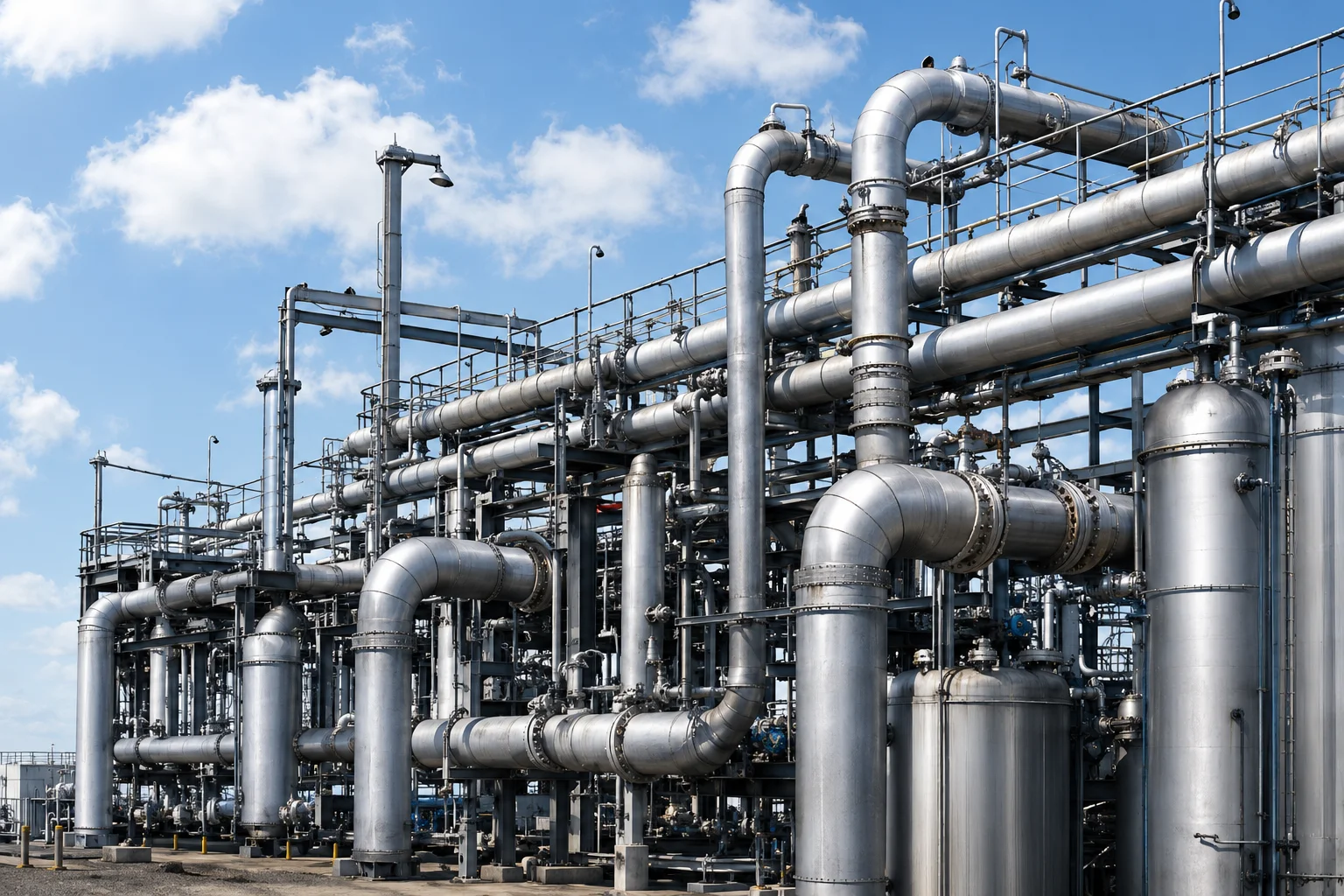
ASTM A105 Sınıf 150 flanşlar, tasarım koşullarının derecelendirme ve malzeme sınırlarına uyduğu karbon çeliği prosesinde ve şebeke borularında yaygın olarak kullanılmaktadır. Fabrikasyon boru makaralarını vanalara, pompalara, süzgeçlere, sayaçlara, kaplara, ısı eşanjörlerine ve diğer ekipmanlara bağlarlar.
Bir A105 kaynak boyunlu flanş, karbon çeliği boruya kaynak yapılabilir ve ASTM A234 WPB alın kaynaklı bağlantı parçalarının yanında kullanılabilir. Dövme küçük çaplı bağlantı parçaları, geçerli başka bir malzeme spesifikasyonuna uygun olabilir. Valf gövdeleri ve trim, valf Sınıf 150 flanşlı uçlara sahip olsa bile kendi spesifikasyonlarını gerektirir.
Malzeme uyumluluğu, kaplamanın kontrol edilmesi ihtiyacını ortadan kaldırmaz. Sınıf 150 yükseltilmiş yüzeyli flanş, onaylı bir bağlantı tasarımı olmadan farklı bir kaplama gerektiren ekipmana monte edilmemelidir. Dökme demir ekipmanlarda genellikle yüzey kaplama, conta ve cıvata sıkma uygulamalarına özel dikkat gösterilmesi gerekir.
İhracat teklifleri için flanşın birim fiyatını isteğe bağlı cıvatalar, somunlar, contalar, kaplama, muayene ve belgelerden açıkça ayırın. Bu, teklifin karşılaştırılmasını kolaylaştırır ve neyin dahil olduğu konusundaki anlaşmazlıkları azaltır.
SSS
A105 Sınıf 150 ne anlama geliyor?
A105, dövme karbon çeliği malzeme spesifikasyonunu tanımlar. Sınıf 150, flanş derecelendirme ailesini tanımlar. Hepsi birlikte hala flanş tipini, boyutunu, yüzey kaplamasını, deliğini veya standardını tanımlamamaktadır.
ASTM A105 paslanmaz çelik mi?
Hayır. ASTM A105, boru uygulamalarına yönelik bir karbon çeliği dövme spesifikasyonudur.
Sınıf 150, PN16'ya eşit mi?
Bunlara otomatik olarak eşdeğer muamelesi yapmayın. ASME Sınıfı ve PN sistemleri farklı standartlar, boyutlar ve derecelendirme kuralları kullanır. Proje onaylı bir geçiş veya uyumlu sondaj doğrulanmalıdır.
A105 düşük sıcaklıkta kullanılabilir mi?
Düşük sıcaklıkta servis, projede belirtilenler gibi darbe testine tabi tutulmuş malzemeler gerektirebilir. ASTM A105'in tasarım sıcaklığı, kodu ve malzeme gereklilikleri kontrol edilmeden uygun olduğu varsayılmamalıdır.
A105 Sınıf 150 flanşı her zaman ASME B16.5 midir?
No. ASME B16.5, kapsadığı boyut aralığı açısından yaygındır; ASME B16.47 ise belirtilen geniş çaplı flanşları kapsar. Özel veya diğer standartlar da belirtilebilir.
“A105 150 flanş”ta eksik olan en önemli detay nedir?
Flanş tipi ve boyutu önemlidir, ardından standart, kaplama ve delik veya boru programı gelir.
Sonraki Adımlar
"105 150" kısaltmasını flanş tipi, ASME standardı, NPS, Sınıf 150, kaplama, ASTM A105 malzemesi, boru programı veya iç çapı, miktar, sertifikalar, muayene, kaplama ve paketleme gerekliliklerini içeren tam bir RFQ satırına dönüştürün.
Fiyat Teklifi İste