Descripción general
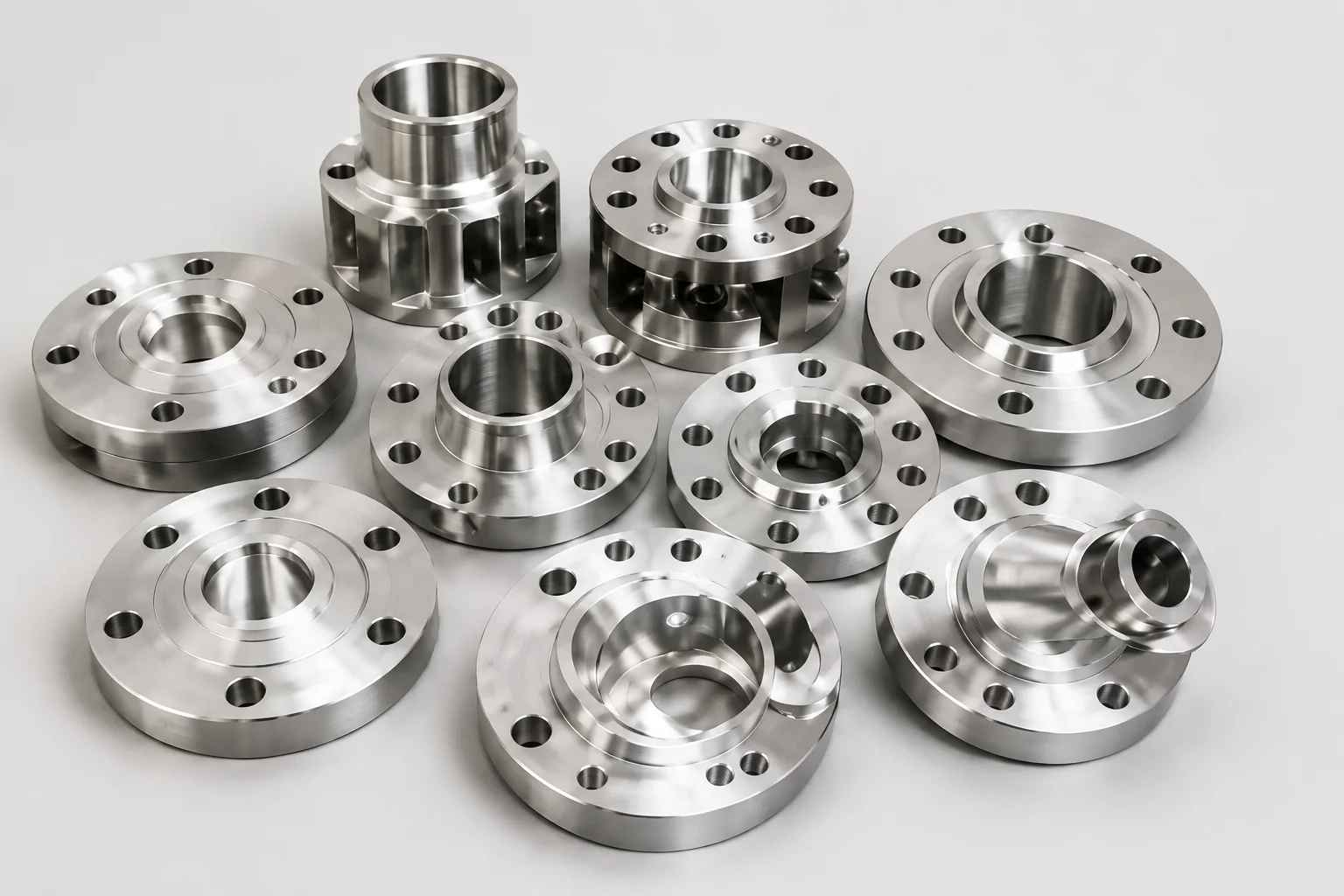
Un fabricante de bridas capacitado debe controlar la compra de materiales, el forjado o el procesamiento de placas aprobadas, el tratamiento térmico, el mecanizado, la inspección dimensional, el marcado, la documentación, el embalaje y las no conformidades. Un proveedor de bridas puede fabricar directamente o coordinar a subcontratistas aprobados. El comprador debería evaluar la cadena de suministro real en lugar de depender de un amplio catálogo de productos.
El mejor proveedor no es necesariamente la fábrica con el mayor rango de tamaños reclamados. Es el proveedor quien puede demostrar un cumplimiento repetible del material, estándar, tamaño, clase, revestimiento, diámetro interior, cantidad y nivel de inspección específicos requeridos por el proyecto.
Por qué es importante para los componentes de tuberías
Las bridas son componentes con límites de presión relevantes para la seguridad. La sustitución de materiales, la perforación incorrecta, el acabado frontal deficiente, la pérdida de trazabilidad del número de calor y los certificados no respaldados pueden permanecer ocultos hasta la instalación o el servicio. La calificación del proveedor reduce estos riesgos antes de que comience la producción.
El abastecimiento comercial también afecta el control técnico. Una empresa comercial puede proporcionar una sólida gestión de proyectos si divulga y controla al fabricante aprobado. Una fábrica puede seguir siendo inadecuada si el mecanizado, el tratamiento térmico, las pruebas o la documentación se subcontratan sin supervisión.
Una auditoría de proveedores debe coincidir con el riesgo del pedido. Las bridas pequeñas estándar A105 y las bridas grandes personalizadas de aleación de níquel no necesitan una profundidad de calificación idéntica.
Métodos, parámetros o proceso
Evalúe al proveedor frente a la ruta real del producto y el riesgo del proyecto.
| Área de capacidad | Pruebas a solicitar | señal de advertencia |
|---|---|---|
| control de materiales | Molinos aprobados, inspección de recepción, trazabilidad térmica. | Certificados no vinculados a marcas terminadas |
| Fabricación | Ruta de proceso, lista de equipos, control de subcontratistas. | Fuente poco clara de forja o tratamiento térmico. |
| Mecanizado | Capacidad de la máquina, dibujos, inspección en proceso. | Retrabajo manual sin registros dimensionales. |
| Pruebas | Equipos calibrados, procedimientos, personal calificado. | Informes genéricos reutilizados en lotes |
| Sistema de calidad | ITP, proceso NCR, control de documentos, historial de auditoría | Sin control de revisión ni sistema de punto de retención |
| Logística | Estándar de embalaje, peso, marcado, experiencia en exportación. | Caras y biseles desprotegidos |
| control comercial | Plazo de entrega, exclusiones, garantía, control de cambios. | Precio muy bajo con especificaciones indefinidas. |
Lista de verificación de inspección y proveedores
- Confirme si la empresa cotizada es fabricante, almacenista o proveedor comercial.
- Identifique a todos los subcontratistas críticos para forja, tratamiento térmico, NDE y recubrimiento.
- Revisar certificados de materiales representativos e informes dimensionales.
- Verificar la calibración y la calificación del personal para los métodos de inspección ordenados.
- Verifique experiencia con el estándar, material, tamaño y clase requeridos.
- Solicite un plan de inspección y prueba antes de la producción.
- Defina el idioma del documento, el nivel del certificado y el formato de trazabilidad.
- Confirme el embalaje de caras, orificios, biseles, roscas y envío en condiciones de navegar.
- Utilice la aprobación por etapas para productos personalizados o nuevos.
- Registre las desviaciones técnicas en la cotización en lugar de después de realizar el pedido.
Aplicación a accesorios de tuberías, válvulas y bridas
Para bridas forjadas estándar, céntrese en el origen del material, el tratamiento térmico, el mecanizado, las dimensiones, el marcado y los certificados. Para bridas personalizadas, agregue control de planos, revisión de ingeniería, calificación de procedimientos de fabricación, estudio dimensional y aprobación del primer artículo.
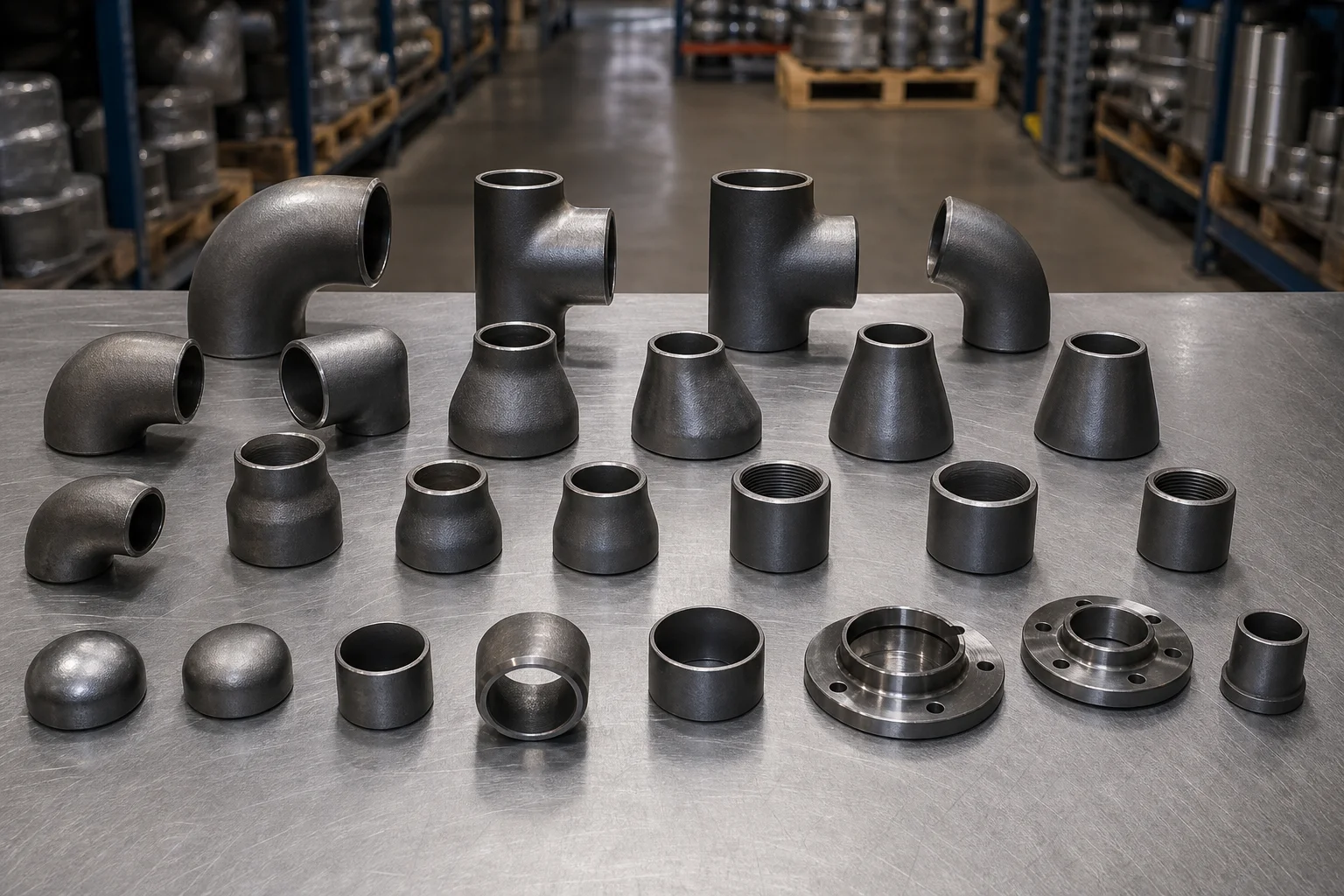
Para válvulas y accesorios que se obtienen en el mismo paquete, no asuma que la calificación de la brida cubre automáticamente la fundición, la soldadura, las pruebas de presión o las pruebas funcionales de la válvula. Evalúe cada familia de productos según su propia ruta.
Preguntas frecuentes
¿Debo comprar sólo en una fábrica de bridas directas?
No necesariamente. Un proveedor calificado puede gestionar varios fabricantes aprobados, pero la fuente y los controles reales deben ser transparentes.
¿Qué certificado debo solicitar?
Depende del contrato. EN 10204 3.1 es común, pero la orden de compra debe definir el documento requerido y cualquier validación de terceros.
¿Cómo puedo verificar un certificado de brida?
Verifique el número de calor, la especificación del material, la química, los resultados mecánicos, el tratamiento térmico, la identidad del fabricante y la vinculación con las marcas del producto.
¿Es suficiente la ISO 9001 para homologar a un proveedor?
No. Respalda la evaluación del sistema de calidad, pero no demuestra la capacidad específica del producto ni el cumplimiento de los pedidos.
¿Cuál es la mejor orden de prueba?
Elija un artículo representativo con requisitos técnicos mensurables, puntos de inspección acordados y un riesgo comercial manejable.
Próximos pasos
Envíe a los proveedores preseleccionados la misma solicitud de cotización técnica y compare exclusiones, ruta de fabricación, plan de inspección, certificados, plazo de entrega y riesgo total de descarga, no solo el precio unitario.
Solicitar una cotización