
ملخص
معايير وتطبيقات الأنابيب الصناعيةمن الأفضل إدارتها كسلسلة موثقة من القرارات الفنية بدلاً من الفحص البصري النهائي. بالنسبة للمشترين الصناعيين، فإن الهدف العملي هو كيفية ربط المشترين بمعايير أبعاد المنتج ومواصفات المواد ومعايير الصمامات ومتطلبات المشروع ووثائق الفحص. يجب أن يكون المورد القادر قادرًا على شرح المسار، وتحديد السجلات المنتجة في كل مرحلة، وربط هذه السجلات بالعناصر المسلمة.
يقدم هذا الدليل إطار عمل للإجابة أولاً لمراجعة معايير وتطبيقات الأنابيب الصناعية. إنه مكتوب لمقاولي الهندسة والموزعين ومشتري المشاريع والمفتشين وفرق الصيانة الذين يبحثون عن منتجات تحتوي على الضغط. تعتبر هذه المقالة أداة مساعدة للمشتريات، وليست بديلاً عن الكود الحاكم، أو معيار المنتج، أو الرسم المعتمد، أو مواصفات الشراء، أو الحكم الهندسي المؤهل. تحقق دائمًا من الإصدار المذكور في العقد قبل إصدار طلب أو قبول المادة.
لماذا يهم لمكونات الأنابيب
يجب أن تتوافق مكونات الأنابيب معًا، وأن تحتوي على الضغط، وأن تقاوم بيئة الخدمة، وأن تظل قابلة للتتبع طوال فترة التصنيع والتشغيل. يمكن أن يؤدي عدم التطابق البسيط في المواد، أو سمك الجدار، أو الواجهة، أو التحضير النهائي، أو المعالجة الحرارية، أو قبول الاختبار إلى حدوث تأخيرات في ورشة التصنيع، أو إعادة العمل الميداني باهظ الثمن، أو مخاطر السلامة التي يمكن تجنبها.
ويؤثر نفس الموضوع أيضًا على الأداء التجاري. تقلل المتطلبات الواضحة من غموض عروض الأسعار، وتمنع الموردين من تسعير نطاقات مختلفة، وتجعل الفحص أكثر كفاءة. عندما يذكر أمر الشراء المعايير المعمول بها والدرجة والأبعاد والاختبارات والمستندات ووضع العلامات والحفظ ومعايير القبول، يمكن للمورد تخطيط الإنتاج ويمكن للمشتري مقارنة العروض على أساس المثل بالمثل.
تنطبق الضوابط التي تمت مناقشتها هنا مباشرة على مجموعات تركيب الأنابيب، وحزم الفلنجة والمسامير، وحزم الصمامات الصناعية. تتغير أهميتها النسبية مع الضغط ودرجة الحرارة والتآكل والواجب الدوري والحجم وطريق التصنيع وأهمية المشروع. قد يحتاج أمر المرافق الروتيني إلى شهادة قياسية وتقرير أبعاد، في حين قد يتطلب مشروع النفط أو الغاز أو المواد الكيميائية أو الطاقة الحرجة إجراءات معتمدة واختبارات شاهدة واختبارات غير إتلافية إضافية ودفتر سجل تصنيع كامل.
الأساليب أو المعلمات أو العملية
| منصة | السيطرة العملية | الأدلة النموذجية | خطر إذا تم حذفه |
|---|---|---|---|
| 1 | تحديد سائل الخدمة والضغط ودرجة الحرارة وبدل التآكل ورمز التصميم واختصاص المشروع | المواصفات أو الرسم أو ورقة البيانات أو بطاقة المسار المعتمدة | تعمل الأطراف المختلفة على افتراضات فنية مختلفة |
| 2 | تحديد معايير المنتج التي تحكم الأبعاد والتقييمات والنهايات والاختبار ووضع العلامات | سجل الرقم الحراري والشهادة وسجل فحص الاستلام | اختلاط المواد أو كسر إمكانية التتبع |
| 3 | حدد مواصفات ودرجة مادة متوافقة لنموذج المنتج والخدمة | تقرير قيد التشغيل، أو سجل قياس معاير، أو سجل المعلمات | يصل الاختلاف المخفي في الأبعاد أو العملية إلى الفحص النهائي |
| 4 | أضف متطلبات الفحص والتوثيق والطلاء والتعبئة والموافقة الخاصة بالمشروع | التفتيش، NDT، اختبار الضغط، أو تقرير الاختبار الوظيفي | يتم المطالبة بالقبول بدون دليل اختبار موضوعي |
| 5 | تحقق من كافة الإصدارات المشار إليها وحل التعارضات قبل الشراء والإنتاج | مذكرة الإصدار النهائية، وقائمة التعبئة، وسجل العلامات، وفهرس الملف | لا يمكن التوفيق بين العناصر التي تم تسليمها مع سجلات المشروع |
الخطوة 1: تحديد سائل الخدمة والضغط ودرجة الحرارة وبدل التآكل ورمز التصميم واختصاص المشروع.حدد من يقوم بالنشاط، وما هو الإجراء أو الرسم الذي يتحكم فيه، وما هي الأداة أو المعدات المستخدمة، وما الذي يشكل القبول، وكيف يتم تسجيل النتيجة. عند حدوث انحراف، حدد الحرارة أو العنصر أو الكمية المتضررة؛ وقف الإطلاق غير المنضبط؛ توثيق التصرف؛ وكرر الفحص ذي الصلة بعد التصحيح المعتمد.
الخطوة 2: تحديد معايير المنتج التي تحكم الأبعاد والتقييمات والنهايات والاختبار ووضع العلامات.حدد من يقوم بالنشاط، وما هو الإجراء أو الرسم الذي يتحكم فيه، وما هي الأداة أو المعدات المستخدمة، وما الذي يشكل القبول، وكيف يتم تسجيل النتيجة. عند حدوث انحراف، حدد الحرارة أو العنصر أو الكمية المتضررة؛ وقف الإطلاق غير المنضبط؛ توثيق التصرف؛ وكرر الفحص ذي الصلة بعد التصحيح المعتمد.
الخطوة 3: حدد مواصفات ودرجة المواد المتوافقة لنموذج المنتج والخدمة.حدد من يقوم بالنشاط، وما هو الإجراء أو الرسم الذي يتحكم فيه، وما هي الأداة أو المعدات المستخدمة، وما الذي يشكل القبول، وكيف يتم تسجيل النتيجة. عند حدوث انحراف، حدد الحرارة أو العنصر أو الكمية المتضررة؛ وقف الإطلاق غير المنضبط؛ توثيق التصرف؛ وكرر الفحص ذي الصلة بعد التصحيح المعتمد.
الخطوة 4: إضافة متطلبات الفحص والتوثيق والطلاء والتعبئة والموافقة الخاصة بالمشروع.حدد من يقوم بالنشاط، وما هو الإجراء أو الرسم الذي يتحكم فيه، وما هي الأداة أو المعدات المستخدمة، وما الذي يشكل القبول، وكيف يتم تسجيل النتيجة. عند حدوث انحراف، حدد الحرارة أو العنصر أو الكمية المتضررة؛ وقف الإطلاق غير المنضبط؛ توثيق التصرف؛ وكرر الفحص ذي الصلة بعد التصحيح المعتمد.
الخطوة 5: التحقق من كافة الإصدارات المشار إليها وحل التعارضات قبل الشراء والإنتاج.حدد من يقوم بالنشاط، وما هو الإجراء أو الرسم الذي يتحكم فيه، وما هي الأداة أو المعدات المستخدمة، وما الذي يشكل القبول، وكيف يتم تسجيل النتيجة. عند حدوث انحراف، حدد الحرارة أو العنصر أو الكمية المتضررة؛ وقف الإطلاق غير المنضبط؛ توثيق التصرف؛ وكرر الفحص ذي الصلة بعد التصحيح المعتمد.
قائمة مراجعة الموردين والتفتيش
استخدم قائمة المراجعة التالية عند تأهيل مورد أو مراجعة طلب يتعلق بمعايير وتطبيقات الأنابيب الصناعية:
- تأكد من نطاق المنتج الدقيق، ودرجة المادة، ونطاق الحجم، وفئة الضغط أو الجدار، والاتصال المواجه أو النهائي، والكمية، وحالة التسليم.
- قم بإدراج كل معيار حاكم ونسخته التعاقدية. حل التعارضات بين أمر الشراء وورقة البيانات والرسم والمعيار المشار إليه قبل الإنتاج.
- اسأل عن مسار التصنيع المقترح، والمعدات الرئيسية، وضوابط العملية، والأنشطة المتعاقد عليها من الباطن، وخطة الفحص والاختبار.
- التحقق من إمكانية تتبع المواد ذات المستوى الحراري من المخزون الوارد من خلال القطع والتشكيل والتزوير والمعالجة الحرارية والتصنيع والتجميع ووضع العلامات والتعبئة.
- قم بمراجعة مؤهلات الموظفين والموافقات على إجراءات اللحام، NDT، والمعالجة الحرارية، والطلاء، واختبار الضغط، والعمليات الخاصة عند الاقتضاء.
- تأكد من حالة المعايرة والنطاق المناسب لأدوات الأبعاد، وأجهزة قياس الاختبار، ومسجلات درجة الحرارة، ومحللات PMI، ومعدات NDT.
- تحديد نقاط الشاهد والإمساك، وفترات الإخطار، وخطط أخذ العينات، ومعايير القبول، والجهة التي يمكنها اعتماد الانحرافات.
- تتطلب سجلات فعلية للخصائص الحرجة؛ لا تعتمد فقط على قائمة مرجعية عامة غير موقعة أو شهادة مطابقة نهائية.
- تأكد من محتوى العلامة، ومتانة العلامة أو الاستنسل، وحماية الوجه والشفة، ومنع الصدأ، وطريقة التعبئة، وتحديد المستندات.
- قبل الشحن، قم بتسوية الكميات والأرقام الحرارية وعلامات العناصر والشهادات وتقارير التفتيش وإغلاقات عدم المطابقة وقوائم التعبئة.
يجب على المورد الموثوق به الإجابة على هذه النقاط من خلال المستندات الخاضعة للرقابة وأدلة الإنتاج. ادعاءات التسويق، أو صور المعدات غير ذات الصلة، أو الشهادات التي لا يمكن ربطها بالحرارة الموردة والعنصر لا تعادل ضمان الجودة الذي يمكن تتبعه.
التطبيق على تجهيزات الأنابيب والصمامات والشفاه
يجب ترجمة المبادئ الواردة في هذا الدليل إلى ضوابط خاصة بالمنتج بدلاً من نسخها دون تغيير عبر كل طلب. أقرب الصفحات التجارية لهذا الموضوع هيتجهيزات الأنابيب,الشفاه,الصمامات الصناعية.
تجهيزات الأنابيب
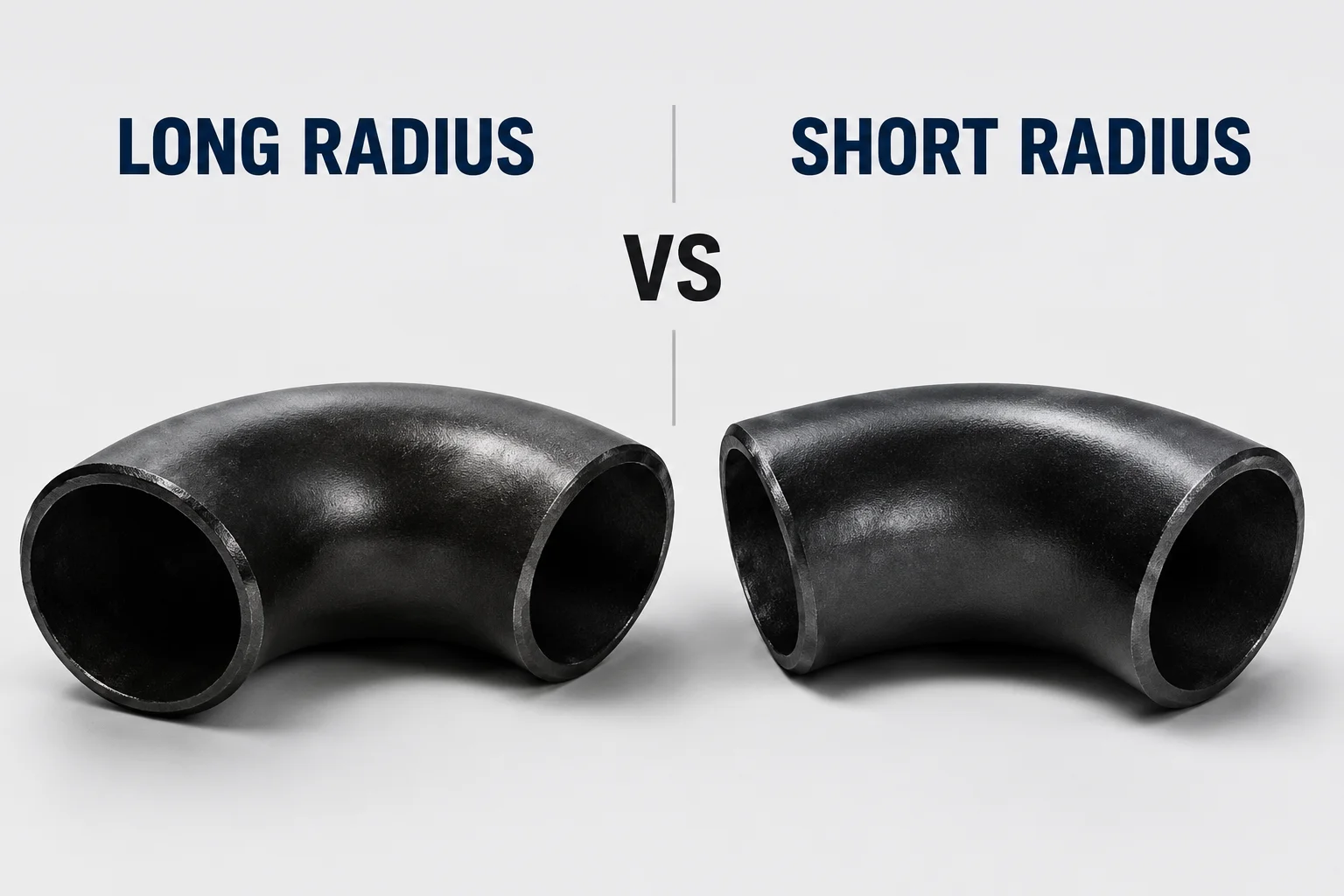
بالنسبة لتركيبات الأنابيب، قم بتفسير معايير وتطبيقات الأنابيب الصناعية من خلال هوية المادة، وتشكيل أو تشكيل المسار، وتوزيع سمك الجدار، والهندسة، وإعداد نهاية اللحام أو المقبس/الخيط، والمعالجة الحرارية، وحالة السطح، ووضع العلامات، والتعبئة. لا تشترك الأكواع والمحملات ومخفضات السرعة والأغطية والتجهيزات المطروقة في نقاط فحص متطابقة، لذا يجب أن تحدد مواصفات الشراء نوع التركيب ومتطلبات المنتج الحاكمة له.
الصمامات
بالنسبة للصمامات، قم بتطبيق نفس المبدأ الأساسي على أجزاء الجسم وغطاء المحرك المحتوية على الضغط، ومواد القطع والختم، والربط، ونظافة التجميع، وسير التشغيل أو عزم الدوران، واختبارات الضغط، والفحوصات الوظيفية، والحفظ، والتوثيق. يجب أن تحدد ورقة بيانات الصمام متطلبات التصميم والاختبار بدلاً من الاعتماد على وصف واسع مثل "الصمام الصناعي".
الشفاه
بالنسبة للفلنجات، قم بتوصيل الموضوع بمواد البداية، أو طريق التزوير أو اللوحة، أو المعالجة الحرارية، وهندسة التجويف والمحور، والسمك، ونمط الترباس، ونوع الواجهة والتشطيب، والنفاذ، ووضع العلامات، وحماية الأسطح المانعة للتسرب. يجب ذكر الحجم والفئة ونوع الحافة والمواد والواجهة والتجويف وجدار الأنابيب المطابق معًا.
عبر جميع مجموعات المنتجات الثلاثة، يجب أن تحدد مواصفات الشراء النتائج التي يجب أن تظهر في الملف النهائي. يؤدي هذا إلى إنشاء جسر عملي بين المحتوى الفني والمشتريات: يمكن للمشتري إرسال الحجم والمادة والمعيار والإصدار والفئة أو الجدار والكمية وحالة الخدمة ومستوى الفحص وقائمة الوثائق والطلاء والتعبئة والرسومات بدلاً من طلب منتج "أفضل جودة" غير محدد.
التعليمات
ما الذي يجب على المشتري تحديده أولاً فيما يتعلق بمعايير وتطبيقات الأنابيب الصناعية؟
ابدأ بالمنتج، ودرجة المادة، ومعيار الأبعاد أو التصميم، والحجم، والفئة أو الجدار، والوصلة النهائية أو الواجهة، والكمية، وشروط الخدمة، والإصدار التعاقدي، ومستندات الفحص المطلوبة. لا تضف اختبارات خاصة بالمشروع إلا بعد التأكد من أنها ذات صلة من الناحية الفنية وأن معايير القبول محددة.
ما هي السجلات التي توفر أقوى دليل على الامتثال؟
تجمع الحزمة الأقوى عادة بين إمكانية تتبع المادة أو الحرارة مع شهادات المواد، وسجلات العمليات الخاضعة للرقابة، ونتائج الأبعاد الفعلية، وتقارير اختبار الضغط أو الاختبارات غير التدميرية المطلوبة، ومراجع المعايرة، وسجلات العلامات، وإغلاقات عدم المطابقة، ووثيقة الإصدار النهائي. تعتمد المجموعة الدقيقة على المنتج ومواصفات الشراء.
هل يمكن للفحص النهائي أن يحل محل التحكم في العمليات؟
لا. يمكن أن يحدد الفحص النهائي العديد من المشكلات المرئية أو القابلة للقياس، لكنه قد لا يكشف عن اختلاط المواد الذي فقد القدرة على التتبع، أو دورة معالجة حرارية غير صحيحة، أو إصلاح غير مسجل، أو حالة تصنيع مخفية بعد التجميع. يستخدم ضمان الجودة الفعال الضوابط المخططة طوال عملية الإنتاج.
كم مرة يجب مراجعة هذه المقالة وبيانات تحسين محركات البحث الخاصة بها؟
قم بمراجعة المراجع الفنية كلما تغير المعيار الحاكم أو المتطلبات التعاقدية. بعد النشر، قم بمراجعة أداء Google Search Console بعد 28 يومًا تقريبًا ومرة أخرى خلال فترة 90 يومًا. قم بتحسين الصفحة عندما تنمو مرات الظهور ولكن تظل نسبة النقر إلى الظهور ضعيفة، أو عندما لا يتم الرد على الاستفسارات ذات الصلة بشكل واضح، أو عندما يكون من الممكن تعزيز روابط المنتج والأدلة الواقعية.
ما الذي يجعل هذا الموضوع مفيدًا لطلب عرض أسعار؟
فهو يحول كيفية قيام المشترين بربط معايير أبعاد المنتج ومواصفات المواد ومعايير الصمامات ومتطلبات المشروع ومستندات الفحص إلى معلومات طلب يمكن التحقق منها. يمكن للمورد أن يقتبس بشكل أكثر دقة عندما يتضمن طلب عرض الأسعار الرسم أو ورقة البيانات والمعايير والإصدارات والمواد والأبعاد والكميات والاختبار والوثائق ووضع العلامات والطلاء والتعبئة ووجهة التسليم.
الخطوات التالية
أرسل قائمة المنتجات الخاصة بك أو الرسم مع درجة المواد والمعيار والإصدار والحجم وفئة الضغط أو سمك الجدار والكمية وشروط الخدمة ومتطلبات الفحص وقائمة الوثائق والطلاء والتعبئة والوجهة. يمكن لشركة Hebei Nuo’an Pipe Fittings Equipment Co., Ltd. مراجعة قابلية التصنيع وإعداد الاستجابة الفنية التجارية لتجهيزات الأنابيب ذات الصلة، والفلنجات، والصمامات الصناعية.
طلب عرض أسعار