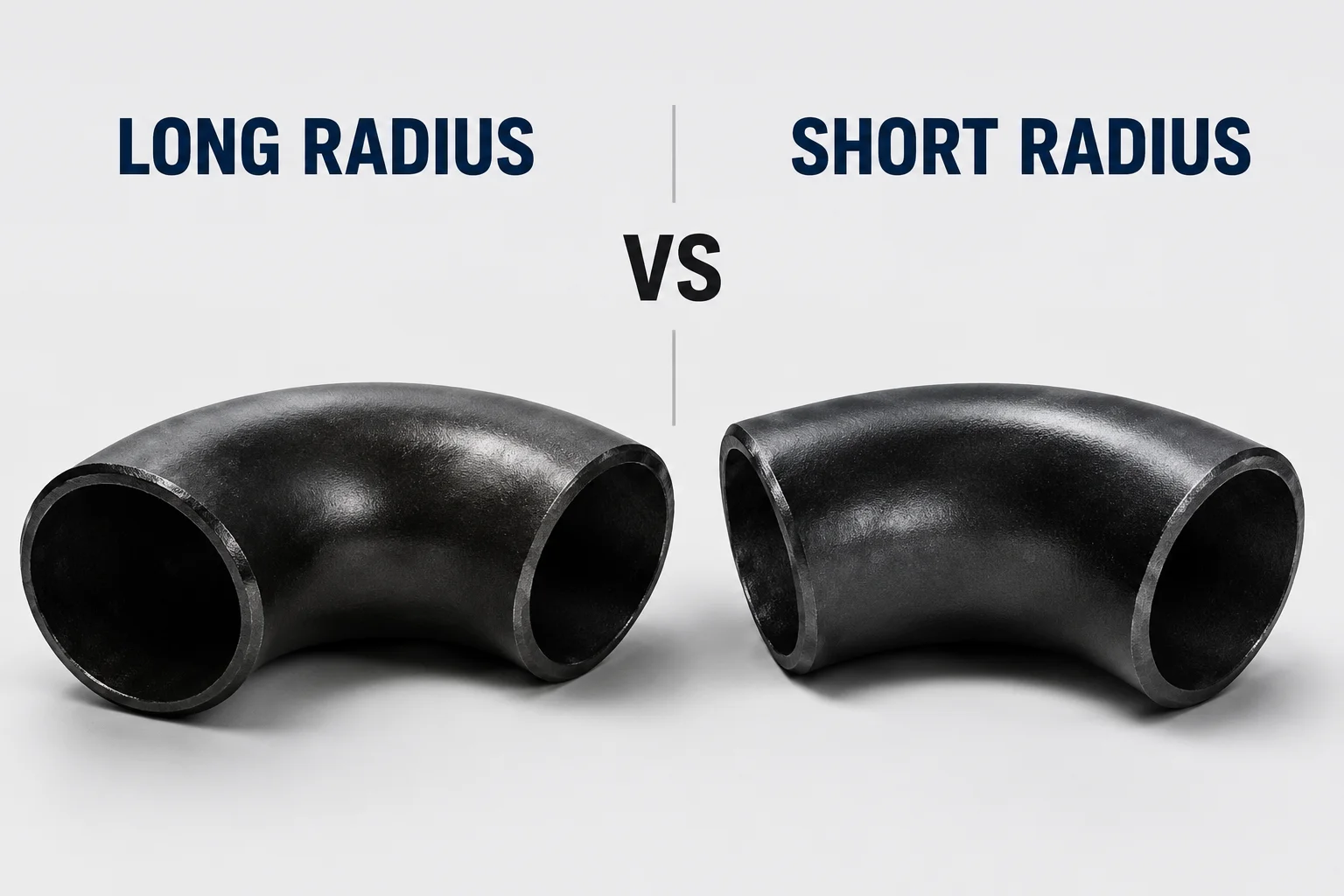
Visão geral
O diâmetro nominal é um sistema de nomenclatura usado para descrever o tamanho do tubo. Nem sempre é igual ao diâmetro externo ou interno real. Em projetos internacionais, os compradores podem usar NPS, DN, OD e cronograma de tubulação na mesma RFQ, o que pode criar confusão se os termos não forem claramente compreendidos.
A regra principal é:o tamanho nominal identifica a família do tubo, enquanto o diâmetro externo, a espessura da parede e a programação definem as dimensões reais necessárias para conexões, válvulas e flanges.
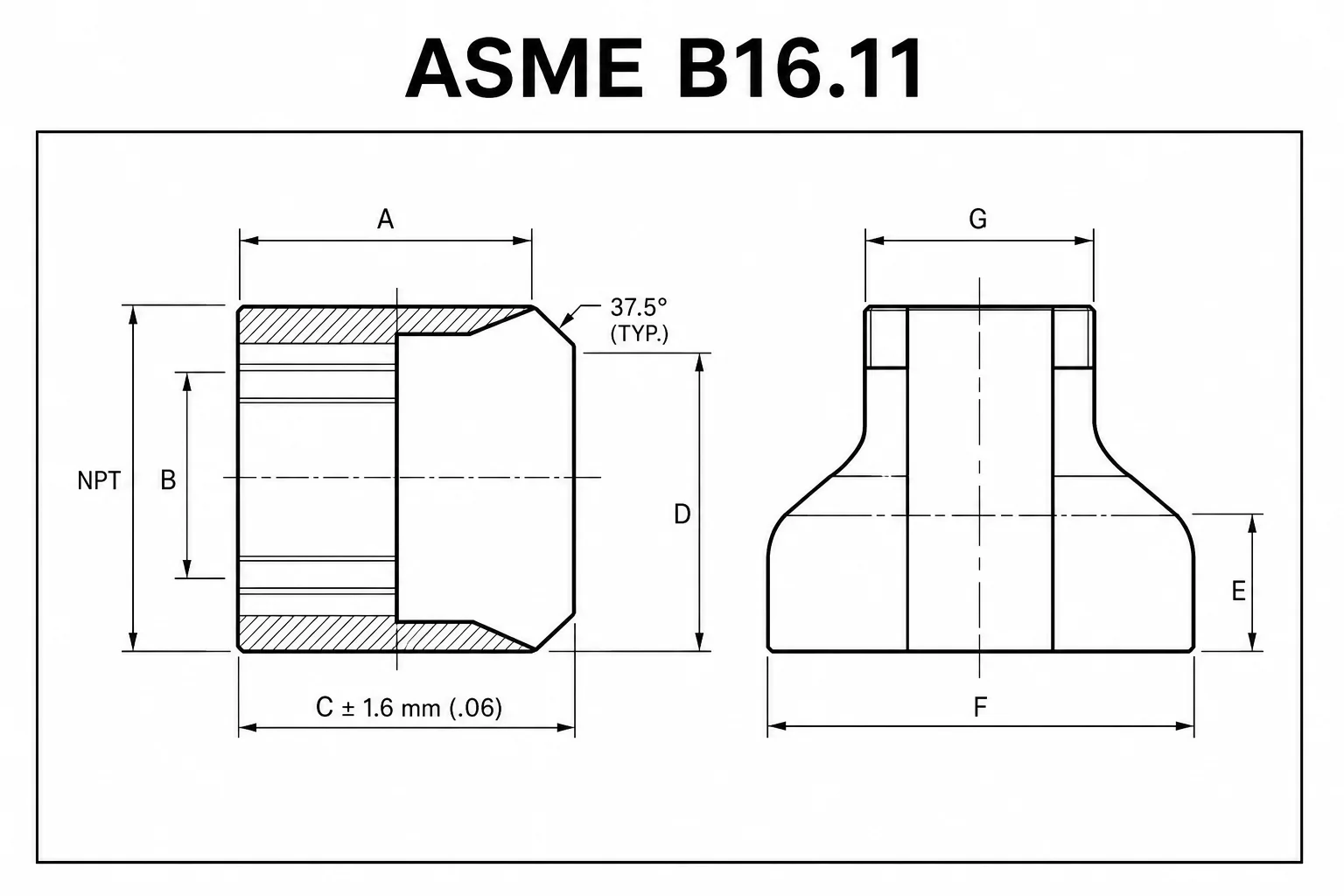
Por que é importante para componentes de tubos
Os acessórios para tubos devem corresponder ao diâmetro externo real do tubo e à espessura da parede. Uma conexão ordenada apenas pelo diâmetro nominal ainda pode estar incompleta. Por exemplo, DN50 ou NPS 2 não informa ao fornecedor se o tubo é Schedule 40, Schedule 80 ou outra espessura de parede.
Os flanges também precisam do furo e da classe de pressão corretos. Os redutores precisam de tamanhos finais grandes e pequenos. As conexões roscadas precisam de tamanho e padrão de rosca. É por isso que o diâmetro nominal é apenas uma parte de uma especificação correta.
Métodos, parâmetros ou processo
Use estes termos com cuidado.
| Prazo | Significado | Uso prático |
|---|---|---|
| NPS | Tamanho nominal do tubo | Comum em projetos baseados em ASME |
| DN | Diâmetro Nominal | Comum em projetos métricos e baseados em EN/DIN |
| DE | Diâmetro externo | Tamanho externo real do tubo necessário para instalação |
| EU IA | Diâmetro interno | Afetado pela espessura da parede |
| Agendar | Designação de espessura de parede | Afeta ID, peso e compatibilidade de ajuste |
Para uma compra precisa, confirme o tamanho de mais de uma maneira, quando possível. Se o projeto usa padrões ASME, o NPS e o cronograma são frequentemente usados. Caso o projeto utilize as normas EN ou DIN, poderá ser especificado o DN e a espessura da parede.
Lista de verificação de fornecedor e inspeção
- Confirme se o projeto usa NPS ou DN.
- Verifique o diâmetro externo real se houver alguma dúvida.
- Confirme a espessura da parede ou cronograma.
- Combine a espessura da parede do encaixe com o tubo.
- Verifique o diâmetro do flange e a classe de pressão.
- Para redutores, confirme os tamanhos das extremidades e as espessuras da parede.
- Para produtos roscados, confirme o padrão da rosca separadamente do tamanho nominal.
Aplicação em acessórios para tubos, válvulas e flanges
O diâmetro nominal afeta todos os principais componentes do tubo. Cotovelos, tês, redutores, tampas, flanges, válvulas e juntas dependem da identificação correta do tamanho. Uma incompatibilidade pode causar problemas de instalação no local, mesmo que o tipo de material esteja correto.
Para Nuoan, uma guia de diâmetro nominal forte pode suportar páginas de produtos para cotovelos, tês, redutores, tampas de tubos e flanges. Também pode reduzir consultas de baixa qualidade, ensinando aos compradores quais informações incluir.
Perguntas frequentes
O diâmetro nominal é igual ao diâmetro externo?
Não. O diâmetro nominal é um sistema de nomenclatura. O diâmetro externo real deve ser verificado de acordo com a norma aplicável.
Qual é a diferença entre NPS e DN?
O NPS é comumente usado em sistemas baseados em ASME. DN é comumente usado em sistemas métricos e baseados em EN/DIN. Eles estão relacionados, mas nem sempre são uma medida direta.
A programação da tubulação afeta o diâmetro nominal?
A tabela não altera o nome do tamanho nominal, mas altera a espessura da parede e o diâmetro interno.
O que um comprador deve incluir em uma RFQ?
Inclua NPS ou DN, diâmetro externo real se necessário, programação ou espessura da parede, material, padrão, tipo de produto e quantidade.
Próximas etapas
Se você estiver preparando uma RFQ de conexão para tubo ou flange, envie o tamanho nominal, diâmetro externo, espessura da parede, material, padrão e quantidade. Nuoan pode ajudar a verificar as dimensões antes da cotação.
Solicite um orçamento