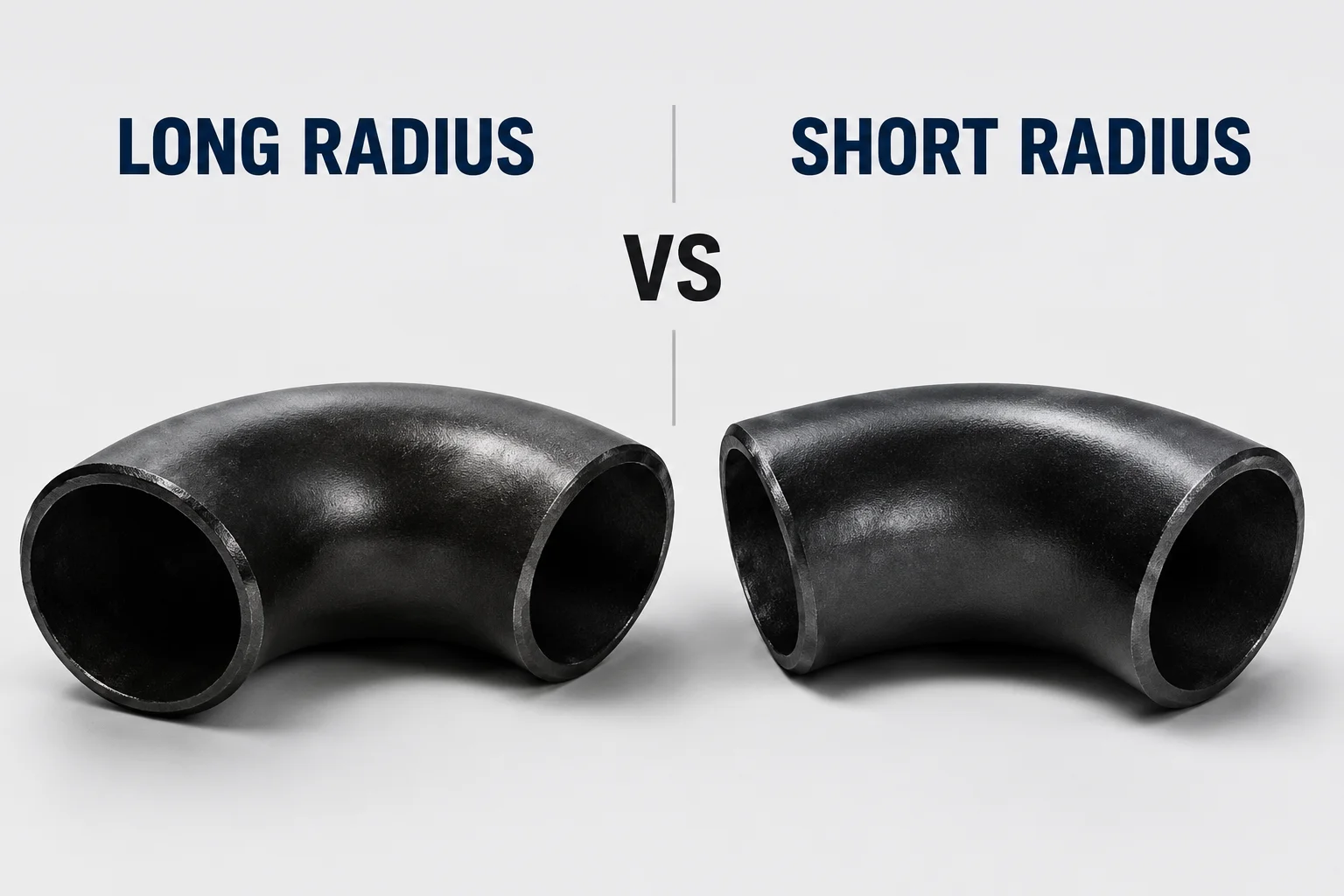
Tổng quan
Kích thước ống danh nghĩa, hay NPS, là ký hiệu kích thước tiêu chuẩn được sử dụng để xác định đường ống, phụ kiện, van và mặt bích tương thích. Nó không phải là phép đo trực tiếp đường kính ngoài hoặc đường kính trong cho mọi kích thước. DN là ký hiệu danh nghĩa số liệu tương ứng được sử dụng trong nhiều tài liệu quốc tế.
IPS, hay Kích thước ống sắt, là một thuật ngữ định cỡ cũ hơn ảnh hưởng đến việc sử dụng NPS hiện đại. Trong các tài liệu kỹ thuật hiện hành, NPS hoặc DN phải được ghép nối với tiêu chuẩn kích thước hiện hành và bảng kê hoặc độ dày của tường.
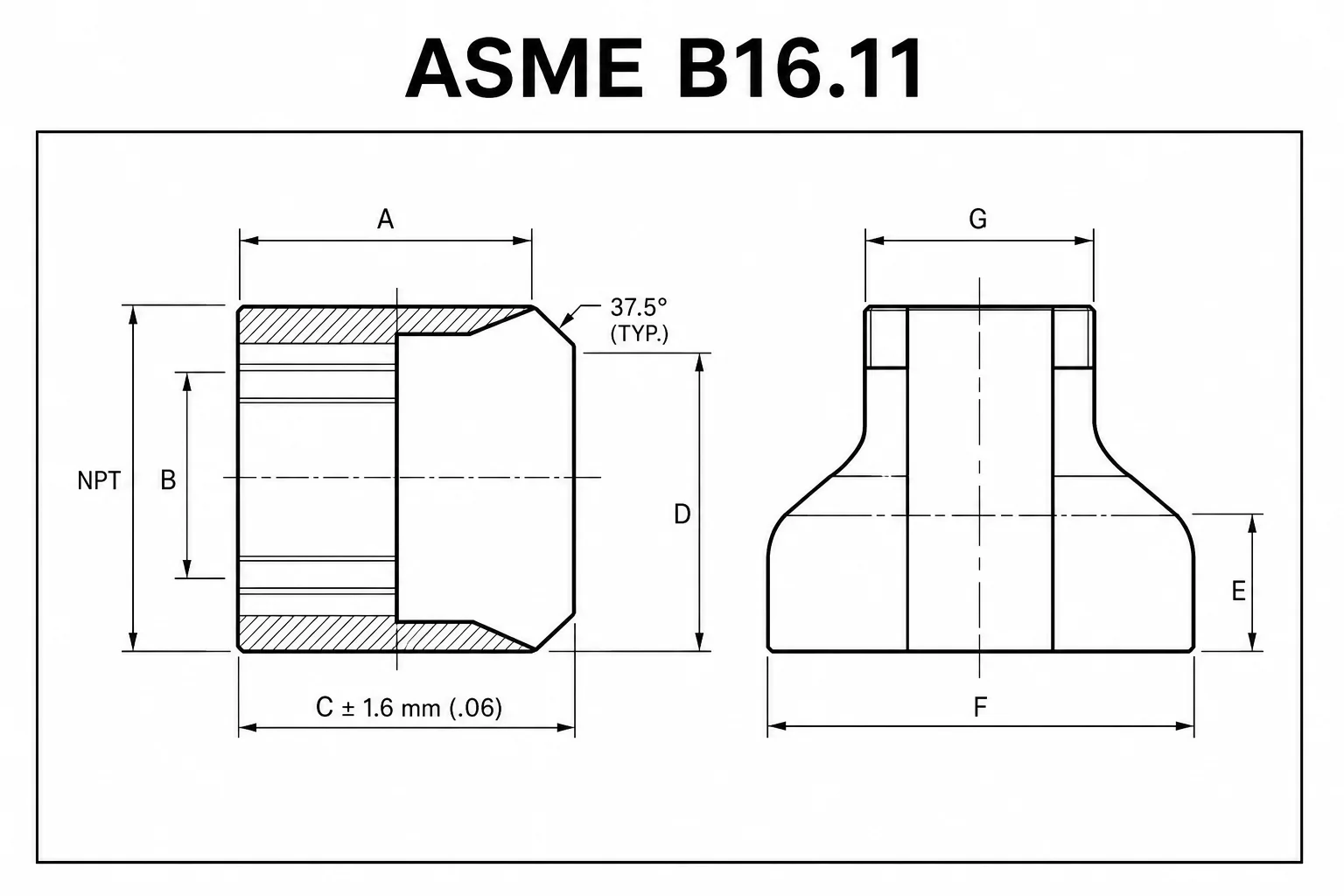
Tại sao nó quan trọng đối với các thành phần đường ống
Việc nhầm lẫn kích thước danh nghĩa với đường kính đo được sẽ gây ra sai số lỗ khoan mặt bích, kẹp, phụ kiện, ren và các bộ phận thay thế. OD có thể không đổi trong một số lịch trình trong khi ID thay đổi theo độ dày thành.
NPS và DN là các chỉ định chứ không phải là chuyển đổi đơn vị chính xác. Giá trị DN không được coi là phép đo milimet của lỗ khoan.
Các dòng sản phẩm sử dụng kích thước danh nghĩa khác nhau. Ren ống, phụ kiện ống, ống nhựa, ống mềm và ống kết cấu có thể sử dụng các quy ước kích thước khác.
Phương pháp, thông số hoặc quy trình
Đọc mô tả kích thước ống từ chỉ định đến kích thước thực tế.
| Thuật ngữ | Nghĩa | Điều đó không có nghĩa là gì |
|---|---|---|
| NPS | Chỉ định kích thước ống danh nghĩa | OD hoặc ID chính xác cho mọi kích thước |
| DN | Chỉ định danh nghĩa số liệu | Đường kính chính xác tính bằng milimét |
| Lịch trình | Chuỗi độ dày của tường cho tiêu chuẩn ống áp dụng | Đánh giá áp suất độc lập |
| CỦA | Cơ sở đường kính ngoài thực tế | Kích thước danh nghĩa của chính nó |
| NHẬN DẠNG | Đường kính bên trong thực tế hoặc tính toán | Giá trị không đổi trong lịch trình |
| IPS | Thuật ngữ định cỡ ống sắt kế thừa | Một đặc điểm kỹ thuật hiện đại hoàn chỉnh |
Danh sách kiểm tra nhà cung cấp và kiểm tra
- Nêu rõ NPS hoặc DN và tiêu chuẩn kích thước ống.
- Thêm lịch trình hoặc độ dày tường danh nghĩa.
- Sử dụng OD thực tế cho kẹp, giá đỡ và các giao diện đặc biệt.
- Sử dụng lỗ khoan hoặc lịch trình cho mặt bích cổ hàn.
- Kiểm tra việc giảm kích thước khớp nối ở cả hai đầu.
- Không chuyển đổi DN trực tiếp thành milimét đo được.
- Xác nhận xem sản phẩm là ống, ống, ống mềm hay ống dẫn.
- Sử dụng bảng chiều được kiểm soát để thiết kế và kiểm tra.
Ứng dụng cho phụ kiện đường ống, van và mặt bích
Khuỷu tay, ống chữ T, bộ giảm tốc và nắp được sắp xếp theo kích thước ống danh nghĩa cộng với tường và vật liệu. Mặt bích thêm lớp hoặc PN, mặt, loại và lỗ khoan. Các van thêm tiêu chuẩn cuối cùng, lỗ khoan, trang trí và lớp áp suất.
Đối với các bộ phận thay thế, hãy đo kích thước thực tế nhưng xác định hệ thống danh nghĩa trước khi chọn sản phẩm trong danh mục.
Câu hỏi thường gặp
Kích thước ống danh nghĩa có nghĩa là gì?
Đây là ký hiệu tiêu chuẩn cho các bộ phận đường ống tương thích, không phải lúc nào cũng là đường kính được đo trực tiếp.
NPS có giống với OD không?
Không nói chung. Sử dụng tiêu chuẩn đường ống hiện hành cho OD thực tế.
IPS và NPS là gì?
IPS là thuật ngữ định cỡ ống sắt truyền thống; NPS là tên gọi danh nghĩa hiện đại được sử dụng rộng rãi.
DN80 có chính xác là ID 80 mm không?
Số DN80 là tên gọi danh nghĩa. OD và ID thực tế phụ thuộc vào tiêu chuẩn và tường.
Lịch trình có thay đổi OD không?
Đối với ống thép thông thường có kích thước danh nghĩa, lịch trình chủ yếu thay đổi tường và ID, nhưng luôn xác minh tiêu chuẩn áp dụng.
Các bước tiếp theo
Viết các yêu cầu về đường ống dưới dạng kích thước danh nghĩa cộng với tiêu chuẩn, lịch trình hoặc tường, vật liệu, chiều dài, đầu cuối và các bài kiểm tra. Thêm OD hoặc lỗ khoan thực tế khi giao tiếp với thiết bị tùy chỉnh.
Yêu cầu báo giá