Overview
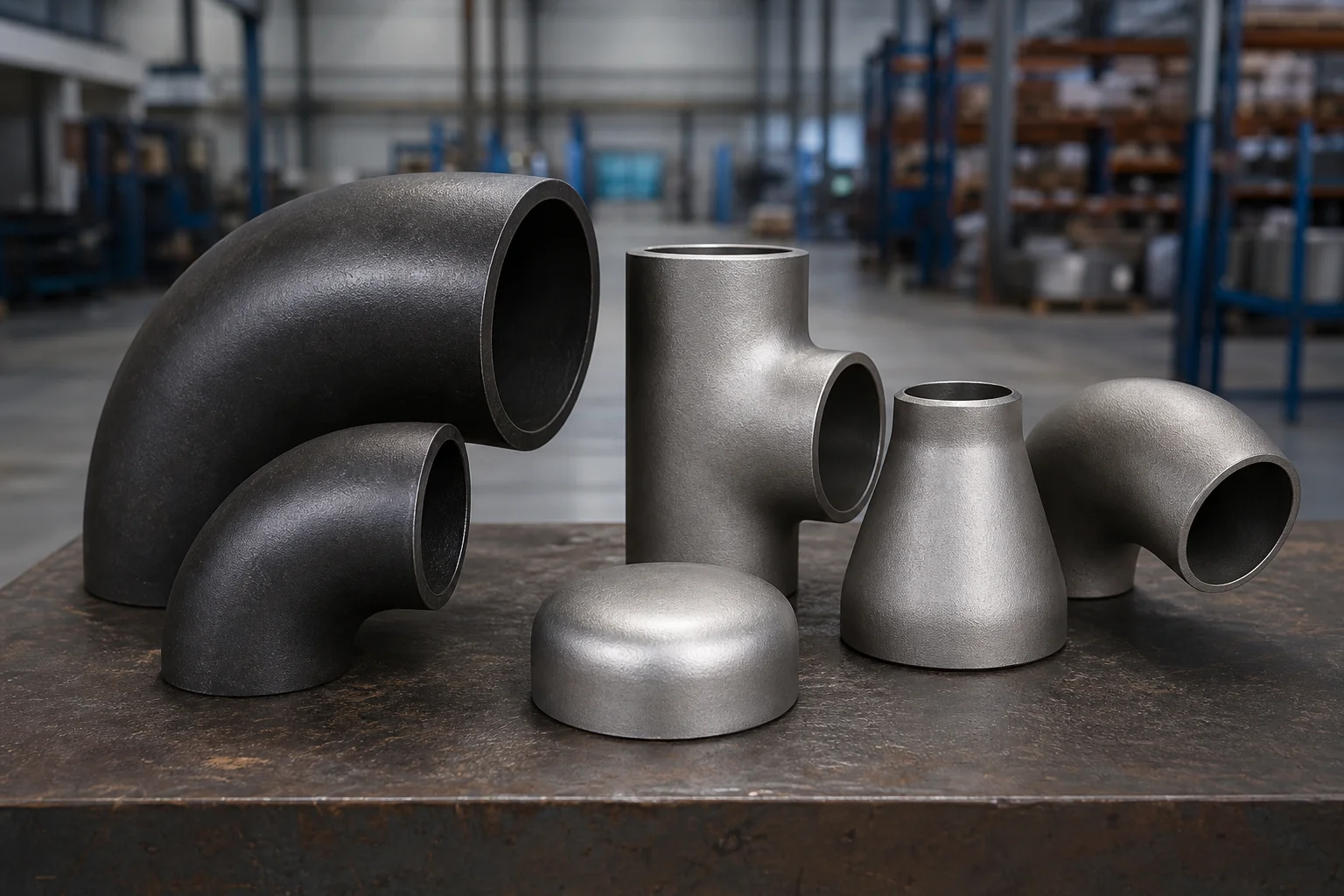
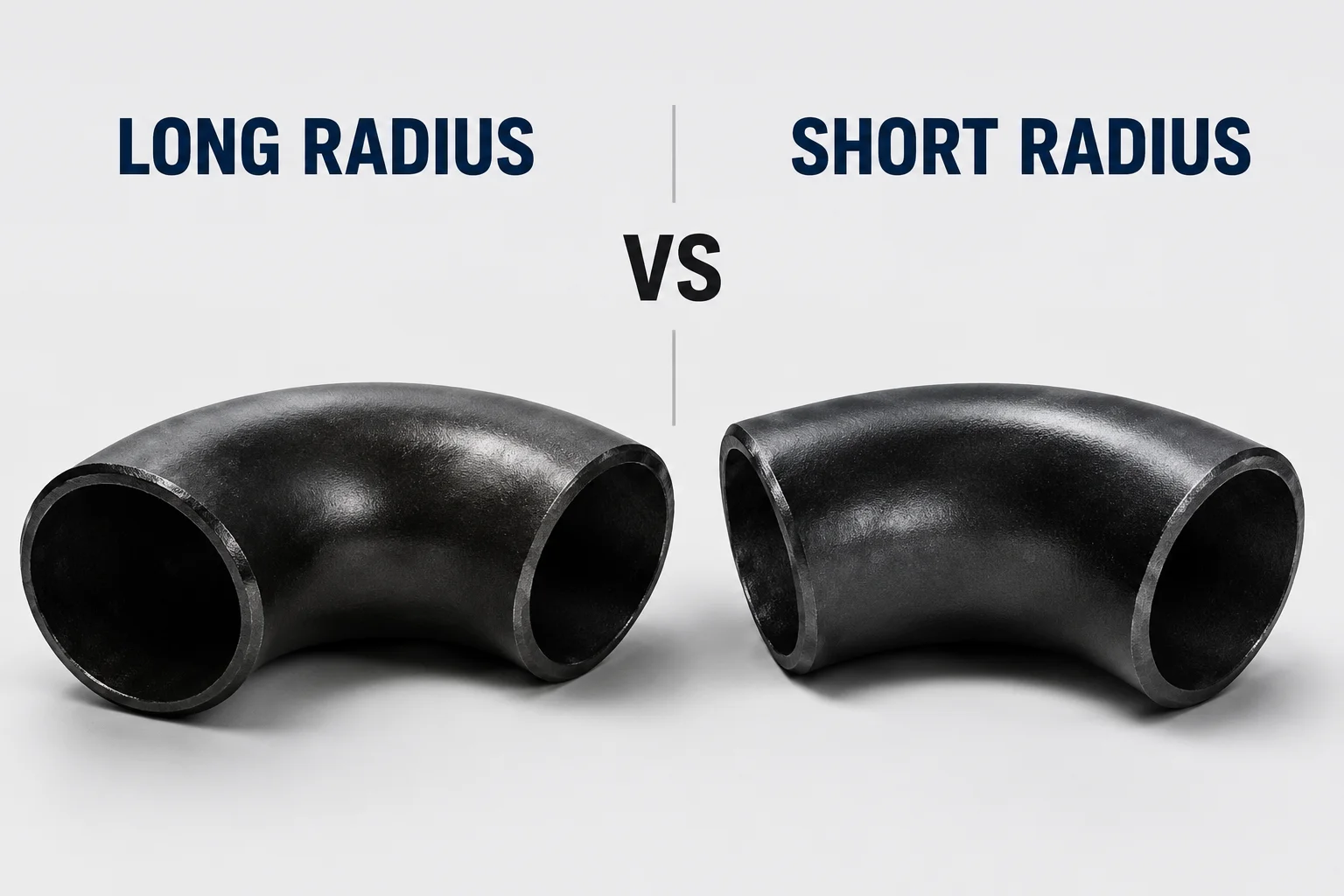
A short radius 90-degree elbow changes pipe direction by 90 degrees in a more compact centerline radius than a long-radius elbow. In common butt-weld fitting terminology, SR and LR identify different geometries that affect layout, flow, pressure drop, erosion, and stress. The exact dimensional basis must come from the selected fitting standard or project drawing.
A purchase description should state 90-degree elbow, short radius, size, wall thickness or schedule, material, seamless or welded construction where required, bevel, standard, and tests.

Why It Matters for Pipe Components
Short-radius elbows save space but create a sharper change in flow direction. This can increase turbulence, pressure loss, vibration, impingement, and erosion in some services. The piping designer should approve the geometry.
The elbow wall may thin during forming, especially at the extrados. Minimum wall, ovality, end dimensions, and bevel condition should be inspected.
SR and LR elbows should not be mixed on drawings or quotations because the center-to-end dimensions differ.
Methods, Parameters, or Process
Review geometry, material, forming route, wall, and end preparation together.
| Parameter | Required information | Inspection focus |
|---|---|---|
| Geometry | 90-degree short radius | Center-to-end and angle |
| Size/wall | NPS/DN and schedule or nominal wall | End OD, wall, minimum thickness |
| Material | Exact specification and grade | Certificate and traceability |
| Construction | Seamless, welded, formed, fabricated as ordered | Seam and forming quality |
| Ends | Bevel and bore transition | Angle, root face, damage |
| Testing | Dimensions, NDE, hardness, impact as required | Procedure and records |
Supplier and Inspection Checklist
- Confirm that short radius is approved by the piping design.
- State size, wall, material, and product standard.
- Check 90-degree angle and center-to-end dimensions.
- Measure wall at intrados, extrados, and ends.
- Inspect ovality and end squareness.
- Check bevels and internal transitions.
- Verify heat number and certificate linkage.
- Review any required heat treatment and NDE.
- Protect bevels during shipment.
Application to Pipe Fittings, Valves, and Flanges
Short-radius elbows are used in compact equipment piping, utility systems, manifolds, and layouts with limited space. They may be unsuitable where pressure drop, pigging, erosion, vibration, or stress concentration is critical.
For abrasive slurry or high-velocity service, elbow material and geometry should be reviewed together. A more abrasion-resistant material does not eliminate impingement risk.
FAQ
What is the difference between SR and LR elbows?
They have different centerline radii and center-to-end dimensions. LR provides a smoother turn; SR is more compact.
Is a short-radius elbow always cheaper?
Not necessarily. Availability, material, size, wall, construction, and quantity affect cost.
Can SR elbows be used for pigging?
They may create passage restrictions. Confirm pig dimensions and pipeline design.
Does schedule define elbow pressure rating?
Wall is important, but material, temperature, manufacturing, and piping code also control suitability.
Where should wall thickness be measured?
Use an approved inspection plan covering ends, intrados, extrados, and other critical formed areas.
Next Steps
State SR explicitly and provide size, wall, material, standard, construction, bevel, tests, quantity, and service. Confirm layout and flow suitability before purchase.
Request a Quote