ภาพรวม
หน้าแปลนท่อแบบคอเชื่อมให้การเชื่อมต่อแบบเชื่อมที่แข็งแกร่งและเชื่อถือได้สำหรับท่อแรงดันสูง คู่มือนี้ครอบคลุมถึงคุณลักษณะ คุณประโยชน์ การใช้งาน ขนาด การเลือกใช้วัสดุ และการบำรุงรักษา
หน้าแปลนท่อเชื่อมคอเป็นส่วนประกอบสำคัญในระบบอุตสาหกรรมหลายประเภท ให้การเชื่อมต่อที่แข็งแกร่งและเชื่อถือได้ระหว่างท่อ และได้รับการออกแบบให้เชื่อมเข้ากับท่อโดยตรง
คู่มือนี้จะอธิบายเกี่ยวกับหน้าแปลนท่อเชื่อมคอ—คุณสมบัติ คุณประโยชน์ และการใช้งาน—พร้อมกับขนาดหน้าแปลน มาตรฐาน การเลือกใช้วัสดุ และพิกัดแรงดัน รวมถึงการติดตั้งและบำรุงรักษาที่เหมาะสมด้วย
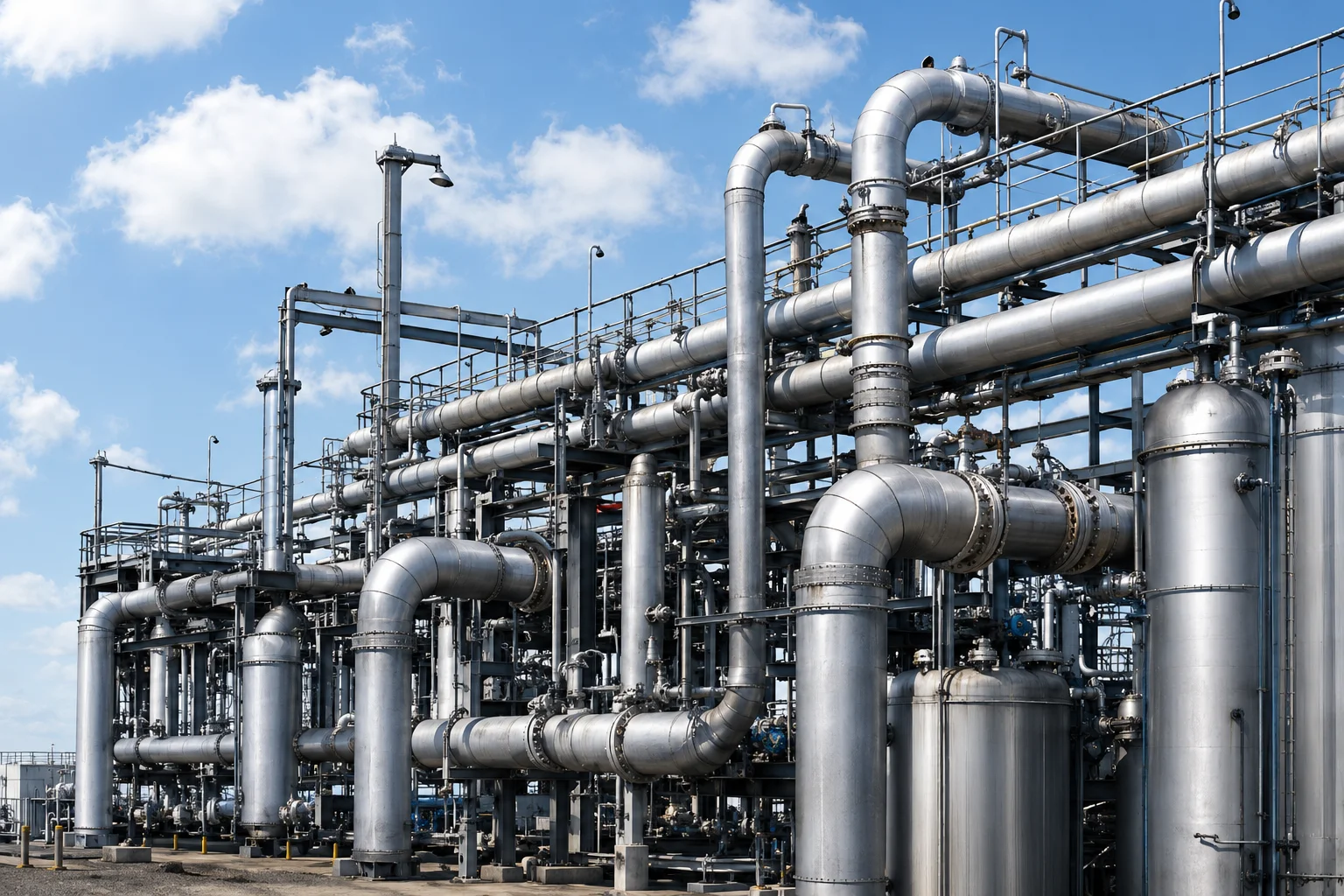
วิศวกรและผู้เชี่ยวชาญด้านการก่อสร้างมักใช้หน้าแปลนเหล่านี้ในสภาพแวดล้อมที่มีแรงดันสูงในอุตสาหกรรมน้ำมันและก๊าซ ปิโตรเคมี และการผลิตไฟฟ้า การออกแบบที่แข็งแกร่งรองรับความปลอดภัยและความน่าเชื่อถือเมื่อเลือกและติดตั้งอย่างถูกต้อง
หน้าแปลนท่อเชื่อมคอคืออะไร?
หน้าแปลนท่อเชื่อมคอให้การเชื่อมต่อที่แข็งแกร่งและถาวรโดยการเชื่อม การออกแบบนี้เหมาะอย่างยิ่งที่ความปลอดภัยเป็นสิ่งสำคัญ
คุณลักษณะที่กำหนดคือฮับที่ยาวและเรียวซึ่งค่อยๆ เปลี่ยนเป็นท่อ ช่วยกระจายความเค้นอย่างสม่ำเสมอตลอดการเชื่อมต่อ ซึ่งทำให้หน้าแปลนเหล่านี้มีความน่าเชื่อถือสูงในระบบแรงดันสูง
ต่างจากหน้าแปลนประเภทอื่น ๆ หน้าแปลนคอเชื่อมมีความทนทานและทนทานต่อการดัดงอมากกว่า เหมาะกับอุณหภูมิและแรงกดดันที่รุนแรง เนื่องจากการติดตั้งใช้การเชื่อมแบบเจาะทะลุเต็มรูปแบบ
ลักษณะสำคัญ ได้แก่ :
- ดุมเรียวที่ช่วยลดความเข้มข้นของความเครียด
- มีจำหน่ายในวัสดุ เช่น เหล็กกล้าคาร์บอน และสเตนเลส
- เหมาะสำหรับการใช้งานที่มีแรงดันสูงและอุณหภูมิสูง
การทำความเข้าใจว่าอะไรทำให้หน้าแปลนคอเชื่อมมีเอกลักษณ์เฉพาะตัวช่วยชี้แจงบทบาทของพวกเขา: การเชื่อมต่อที่ปลอดภัย มั่นคง และป้องกันการรั่วสำหรับระบบที่สำคัญ
คุณสมบัติหลักและคุณประโยชน์ของหน้าแปลนคอเชื่อม
หน้าแปลนคอเชื่อมถูกสร้างขึ้นสำหรับสภาพแวดล้อมที่มีแรงดันสูง ซึ่งทำให้พบเห็นได้ทั่วไปในท่ออุตสาหกรรมที่สำคัญ
พวกเขายังรองรับการขยายตัวจากความร้อนได้ดี ดุมแบบเรียวรองรับการกระจายความเค้นที่ราบรื่นทั่วทั้งตัวเชื่อมและหน้าแปลน
ข้อดีได้แก่ การเชื่อมต่อที่ทนทานและลดความเสี่ยงในการรั่วไหล ซึ่งมีคุณค่าในกรณีที่ไม่สามารถลดทอนความน่าเชื่อถือได้
- ประสิทธิภาพที่แข็งแกร่งภายใต้ความกดดันและอุณหภูมิสูง
- การเชื่อมต่อการเชื่อมแบบเจาะทะลุเต็มรูปแบบที่ยืดหยุ่น
- ลดความเสี่ยงของความปั่นป่วนในการไหลของของไหล
- ใช้ได้กับเส้นผ่านศูนย์กลางท่อที่หลากหลาย
ในกรณีที่ความทนทานและความแข็งแรงมีความสำคัญ หน้าแปลนคอเชื่อมยังคงเป็นตัวเลือกที่ต้องการสำหรับสภาวะการบริการที่มีความต้องการสูง
การใช้งานทั่วไปของหน้าแปลนท่อเชื่อมคอ
หน้าแปลนเหล่านี้ใช้ทุกที่ที่ต้องการการเชื่อมต่อที่แข็งแกร่งและเชื่อถือได้ และความปลอดภัยเป็นสิ่งสำคัญอันดับแรก
ในน้ำมันและก๊าซ จะปรากฏบนท่อที่เคลื่อนย้ายของเหลวที่สำคัญภายใต้แรงดันสูง โครงสร้างที่แข็งแกร่งช่วยลดความเสี่ยงการรั่วไหลและความล้มเหลว
นอกจากนี้ยังพบเห็นได้ทั่วไปในโรงไฟฟ้าและโรงงานปิโตรเคมีที่ต้องการความต้านทานต่ออุณหภูมิสูงและการจัดการความเครียดที่รุนแรง
- ท่อส่งน้ำมันและก๊าซ
- ระบบกระบวนการปิโตรเคมี
- โรงไฟฟ้า
- โรงงานแปรรูปสารเคมี
การออกแบบที่หลากหลายและแข็งแกร่งทำให้เหมาะสำหรับทั้งการติดตั้งใหม่และโครงการปรับปรุงใหม่
ขนาดหน้าแปลนและมาตรฐาน
ขนาดที่ถูกต้องเป็นสิ่งจำเป็นสำหรับความพอดีของระบบ การปิดผนึก และประสิทธิภาพ หลักเกณฑ์ ASME และ ANSI ช่วยให้ขนาดหน้าแปลนสอดคล้องและปลอดภัยในการใช้งาน
ขนาดหลักได้แก่เส้นผ่านศูนย์กลางภายนอกของหน้าแปลน ความหนา และเส้นผ่านศูนย์กลางวงกลมของสลักเกลียว ขนาดรูควรตรงกับเส้นผ่านศูนย์กลางภายในของท่อเพื่อให้การไหลราบรื่น และรูโบลต์ต้องจัดตำแหน่งอย่างถูกต้องระหว่างการติดตั้ง
- เส้นผ่านศูนย์กลางภายนอก
- ความหนา
- ขนาดรู
- เส้นผ่านศูนย์กลางของวงกลมโบลต์
- จำนวนและขนาดของรูสลักเกลียว
การปฏิบัติตามมาตรฐานที่บังคับใช้จะปรับปรุงความเข้ากันได้ การตรวจสอบ และการบำรุงรักษาในระยะยาว
คำแนะนำในการติดตั้งและบำรุงรักษา
จัดแนวหน้าแปลนให้ตรงกับท่อก่อนทำการเชื่อม ช่างเชื่อมที่มีทักษะควรทำการเชื่อมแบบเจาะเต็มเพื่อให้ข้อต่อแข็งแรงและมั่นคง
ตรวจสอบรอยเชื่อมเป็นระยะๆ เพื่อดูการสึกหรอหรือการรั่วไหล และรักษาความสะอาดของผิวหน้าซีลเพื่อหลีกเลี่ยงเศษที่อาจส่งผลต่อซีลปะเก็น
- ใช้ปะเก็นที่เข้ากันได้เพื่อการซีลที่แน่นหนา
- ยืนยันการจัดตำแหน่งก่อนการเชื่อม
- กำหนดเวลาการตรวจสอบเป็นประจำเพื่อตรวจจับปัญหาตั้งแต่เนิ่นๆ
การปฏิบัติตามแนวทางปฏิบัติเหล่านี้ช่วยให้หน้าแปลนมีประสิทธิภาพที่เชื่อถือได้และยาวนาน
บทสรุป
หน้าแปลนท่อคอเชื่อมเป็นส่วนสำคัญของการใช้งานที่มีแรงดันสูงและมีความสำคัญหลายอย่าง โครงสร้างที่แข็งแกร่งและความสามารถในการปิดผนึกที่แข็งแกร่งทำให้เป็นตัวเลือกที่ต้องการเมื่อคำนึงถึงความน่าเชื่อถือและความปลอดภัย
ด้วยการเลือก การติดตั้ง และการบำรุงรักษาที่เหมาะสม ทำให้การเชื่อมต่อท่อมีความปลอดภัยและทนทาน
ขั้นตอนต่อไป
ต้องการความช่วยเหลือในการเลือกหน้าแปลนสำหรับโครงการของคุณหรือไม่? แชร์ขนาด ระดับแรงกด วัสดุ และข้อกำหนดในการเผชิญของคุณ — ทีมงานของเราสามารถแนะนำโซลูชันที่ตรงกันได้
ขอใบเสนอราคา