제품 선택

316 vs 316L Stainless Steel: Which Is Better for Pipe Fittings?

A buyer-focused comparison of 316 and 316L stainless steel for industrial pipe fittings and flanges.

조회수 51회
316 vs 316L Stainless Steel: Which Is Better for Pipe Fittings?

Overview

316 and 316L are austenitic stainless steel grades widely used in industrial piping. Both are known for good corrosion resistance, especially in environments where chloride exposure may be present. The main difference is carbon content: 316L has lower carbon than 316, which can improve weldability and reduce the risk of sensitization in some welded applications.

For buyers, the practical rule is: 316L is often preferred for welded pipe fittings and flanges when the project requires better weldability or lower carbon content, but the final choice should follow the project specification.

316 vs 316L stainless steel for pipe fittings

Why It Matters for Pipe Components

Pipe fittings and flanges are often welded, machined, inspected, and installed in demanding environments. Choosing between 316 and 316L affects procurement cost, welding procedure, corrosion behavior, and certificate requirements.

Many RFQs state only “stainless steel” or “SS316”. That may not be enough. If the drawing, piping class, or MTC requirement states 316L, suppliers should not substitute 316 without written approval.

Methods, Parameters, or Process

Use a comparison table when selecting between 316 and 316L.

Item316316L
Carbon contentHigher than 316LLower carbon version
WeldabilityGoodOften preferred for welded applications
Corrosion resistanceGoodSimilar, with advantages in some welded conditions
Common productsFlanges, fittings, valvesWelded fittings, flanges, process piping
Selection basisProject specProject spec and welding requirement

The buyer should review the project material specification, corrosion environment, welding requirements, and certificate requirements before ordering.

Supplier and Inspection Checklist

  • Confirm whether the RFQ requires 316 or 316L.
  • Check the applicable ASTM or EN material designation.
  • Request MTC showing chemical composition and mechanical properties.
  • Confirm PMI if required by the project.
  • Check heat number traceability.
  • Do not substitute 316 for 316L without approval.
  • Confirm surface finish and pickling/passivation if required.

Application to Pipe Fittings, Valves, and Flanges

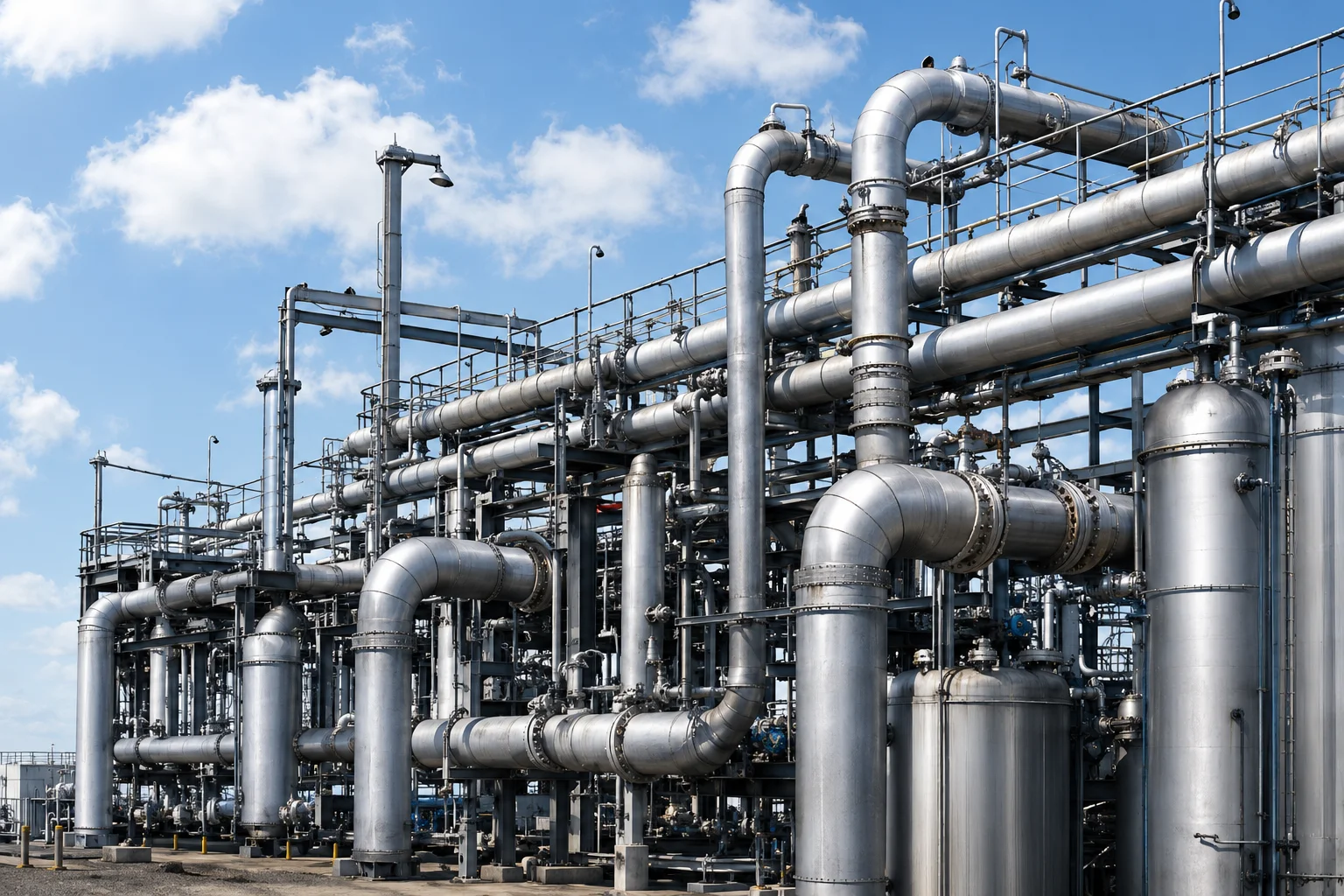
316 and 316L stainless steel are common in chemical processing, water treatment, marine-related systems, food and pharmaceutical utilities, and industrial cooling systems. For pipe fittings, 316L is frequently used in elbows, tees, reducers, caps, and flanges when welding is involved.

For Nuoan, this article should link to stainless steel fittings, 316L flanges, stainless elbows, and material traceability content. It can also support SEO for stainless steel material comparison queries.

FAQ

Is 316L better than 316?

Not always. 316L is often preferred for welded applications because of lower carbon content, but the correct grade depends on the project specification and service conditions.

Can 316 be used instead of 316L?

Only with approval from the buyer or project engineer. Substitution should not be assumed.

Are 316 and 316L both corrosion resistant?

Yes. Both offer good corrosion resistance compared with many general stainless grades, especially in certain industrial environments.

What certificate should buyers request?

Buyers often request an MTC with heat number, chemical composition, mechanical properties, and applicable material standard.

Next Steps

Send your stainless steel pipe fitting or flange requirement with grade, standard, size, wall thickness, quantity, and inspection needs. Nuoan can help prepare a quotation with material certificate support.

Request a Quote

관련 기사

300 Series Stainless Steel for Pipe Fittings and Flanges
제품 선택

300 Series Stainless Steel for Pipe Fittings and Flanges

A guide to 300 series stainless steel grades for pipe fittings, flanges, valves, and industrial piping systems.

304 vs 321 Stainless Steel: Key Differences for Industrial Piping
제품 선택

304 vs 321 Stainless Steel: Key Differences for Industrial Piping

A practical comparison of 304 and 321 stainless steel for pipe fittings, flanges, and industrial piping applications.

Pipe Reducers Guide: Types, Dimensions and Applications
제품 선택

Pipe Reducers Guide: Types, Dimensions and Applications

A practical guide to pipe reducers for buyers, engineers, and project contractors sourcing industrial pipe fittings.

파이프 피팅 견적에 대한 Hebei Nuoan 온라인 판매 지원

온라인 고객 서비스

연결 중

언제든 문의해 주세요. 최대한 빨리 답변드립니다.