Panoramica
316 e 316L sono gradi di acciaio inossidabile austenitico ampiamente utilizzati nelle tubazioni industriali. Entrambi sono noti per la buona resistenza alla corrosione, soprattutto in ambienti in cui può essere presente esposizione al cloruro. La differenza principale è il contenuto di carbonio: il 316L ha un contenuto di carbonio inferiore rispetto al 316, il che può migliorare la saldabilità e ridurre il rischio di sensibilizzazione in alcune applicazioni saldate.
Per gli acquirenti, la regola pratica è:Il 316L è spesso preferito per raccordi e flange saldati quando il progetto richiede una migliore saldabilità o un contenuto di carbonio inferiore, ma la scelta finale dovrebbe seguire le specifiche del progetto.
Perché è importante per i componenti delle tubazioni
I raccordi e le flange vengono spesso saldati, lavorati, ispezionati e installati in ambienti difficili. La scelta tra 316 e 316L influisce sui costi di approvvigionamento, sulla procedura di saldatura, sul comportamento alla corrosione e sui requisiti di certificazione.
Molte richieste di offerta indicano solo “acciaio inossidabile” o “SS316”. Potrebbe non essere sufficiente. Se il disegno, la classe delle tubazioni o il requisito MTC indicano 316L, i fornitori non devono sostituire 316 senza approvazione scritta.
Metodi, parametri o processo
Utilizzare una tabella comparativa quando si seleziona tra 316 e 316L.
| Articolo | 316 | 316L |
|---|---|---|
| Contenuto di carbonio | Superiore a 316L | Versione inferiore in carbonio |
| Saldabilità | Bene | Spesso preferito per applicazioni saldate |
| Resistenza alla corrosione | Bene | Simile, con vantaggi in alcune condizioni di saldatura |
| Prodotti comuni | Flange, raccordi, valvole | Raccordi saldati, flange, tubazioni di processo |
| Base di selezione | Specifiche del progetto | Specifiche del progetto e requisiti di saldatura |
L'acquirente deve rivedere le specifiche del materiale del progetto, l'ambiente di corrosione, i requisiti di saldatura e i requisiti del certificato prima di ordinare.
Lista di controllo dei fornitori e delle ispezioni
- Conferma se la richiesta di offerta richiede 316 o 316L.
- Controllare la designazione del materiale ASTM o EN applicabile.
- Richiedi MTC che mostri la composizione chimica e le proprietà meccaniche.
- Confermare il PMI se richiesto dal progetto.
- Verificare la tracciabilità del numero di colata.
- Non sostituire 316 con 316L senza approvazione.
- Confermare la finitura superficiale e il decapaggio/passivazione, se necessario.
Applicazione a raccordi per tubi, valvole e flange
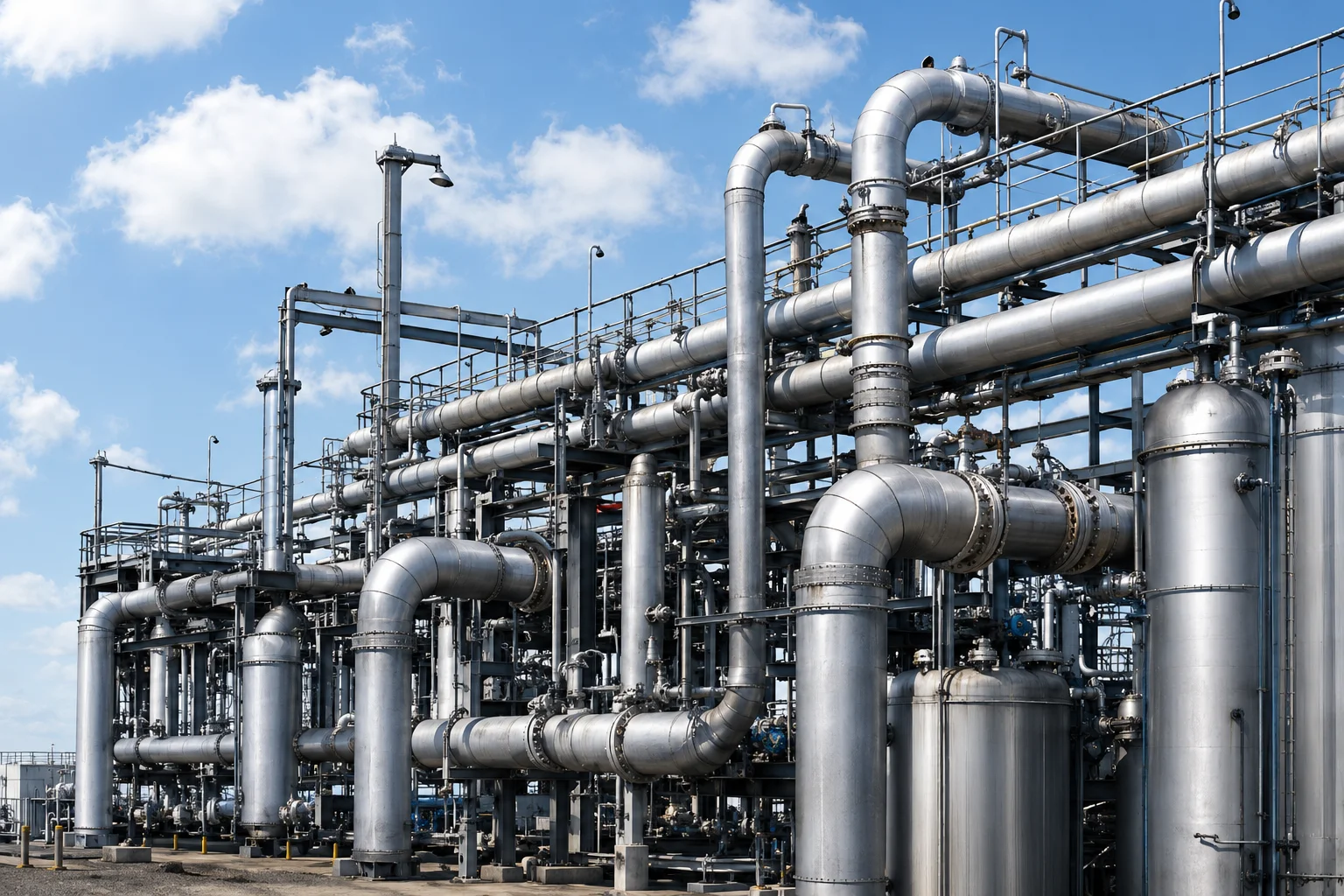
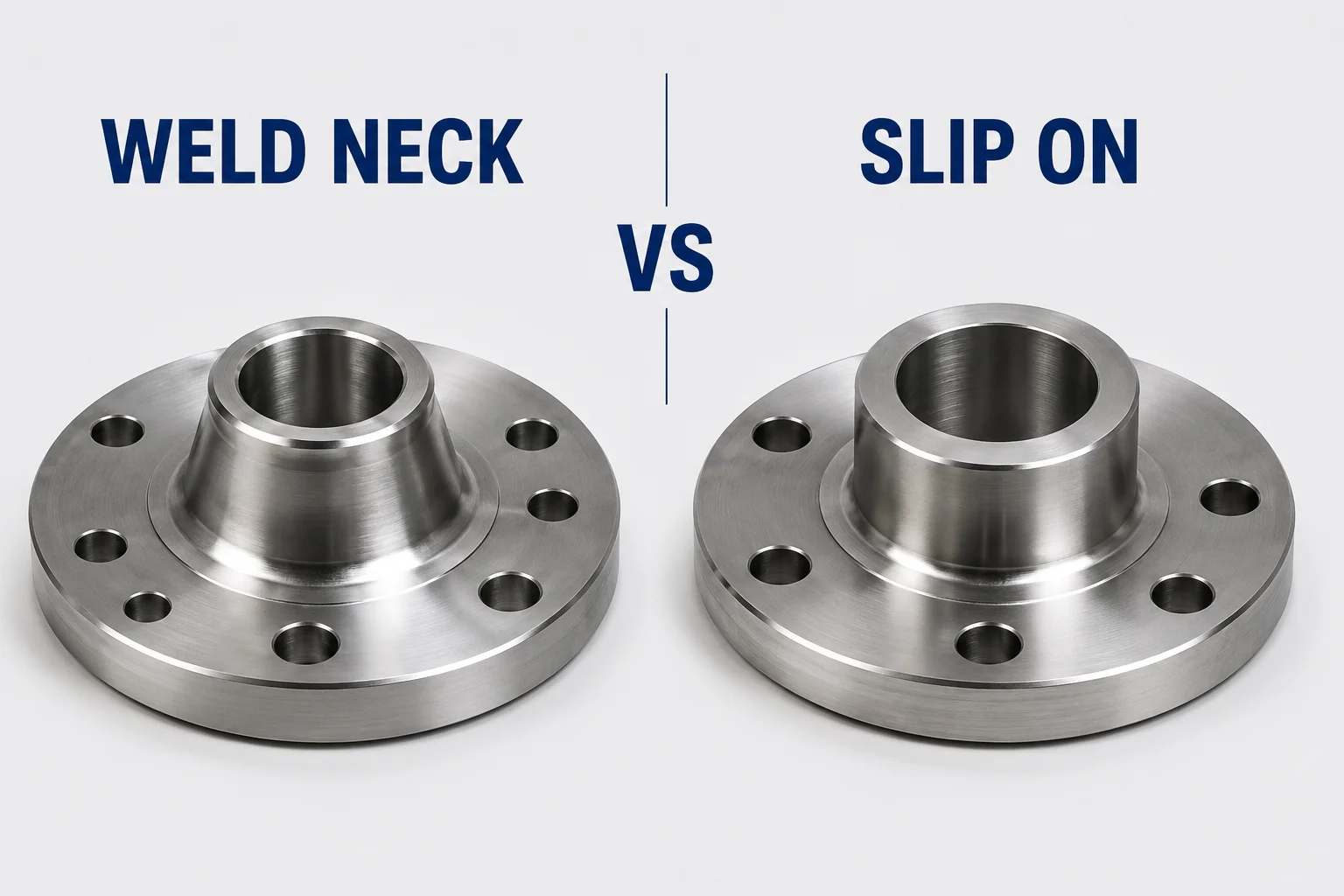
L'acciaio inossidabile 316 e 316L è comune nella lavorazione chimica, nel trattamento delle acque, nei sistemi marini, nei servizi alimentari e farmaceutici e nei sistemi di raffreddamento industriale. Per i raccordi per tubi, il 316L viene spesso utilizzato in gomiti, raccordi a T, riduttori, cappucci e flange quando è coinvolta la saldatura.
Per Nuoan, questo articolo dovrebbe collegarsi a raccordi in acciaio inossidabile, flange 316L, gomiti in acciaio inossidabile e contenuto di tracciabilità dei materiali. Può anche supportare la SEO per le query di confronto dei materiali in acciaio inossidabile.
Domande frequenti
Il 316L è migliore del 316?
Non sempre. Il 316L è spesso preferito per le applicazioni saldate a causa del minor contenuto di carbonio, ma il grado corretto dipende dalle specifiche del progetto e dalle condizioni di servizio.
È possibile utilizzare il 316 al posto del 316L?
Solo con l'approvazione dell'acquirente o del progettista. La sostituzione non dovrebbe essere data per scontata.
Il 316 e il 316L sono entrambi resistenti alla corrosione?
SÌ. Entrambi offrono una buona resistenza alla corrosione rispetto a molti gradi di acciaio inossidabile generico, soprattutto in determinati ambienti industriali.
Quale certificato dovrebbero richiedere gli acquirenti?
Gli acquirenti spesso richiedono un MTC con numero di calore, composizione chimica, proprietà meccaniche e standard dei materiali applicabili.
Passaggi successivi
Invia i tuoi requisiti di raccordo o flangia in acciaio inossidabile con qualità, standard, dimensioni, spessore della parete, quantità e esigenze di ispezione. Nuoan può aiutare a preparare un preventivo con il supporto del certificato del materiale.
Richiedi un preventivo