Überblick
ASME B16.20 ist eine Maß- und Produktnorm für definierte metallische Dichtungskonstruktionen für Rohrflansche. Das Angebot umfasst Ringstoßdichtungen, spiralförmig gewickelte Metalldichtungen, metallummantelte Dichtungen und genutete Metalldichtungen mit Decklagen. Die Norm behandelt Punkte wie Materialien, Abmessungen, Toleranzen und Markierungen innerhalb ihres angegebenen Geltungsbereichs.
Der Verweis auf ASME B16.20 vervollständigt die Kaufbeschreibung nicht. Der Käufer benötigt weiterhin Dichtungstyp, Flanschstandard, Nenngröße, Druckklasse, Materialkombination, Dicke oder Ausführung, Innen- und Außenringanforderungen, Betriebsbedingungen, Menge sowie projektspezifische Tests oder Dokumentation.
Warum es für Rohrkomponenten wichtig ist
Eine Dichtung kann nach einem anerkannten Maßstandard hergestellt werden und dennoch für die Flüssigkeit oder Verbindung ungeeignet sein. Das Wicklungsmetall, der Füllstoff, das Ringmaterial, die Ummantelung, die Deckschicht und die Härte müssen den Druck-, Temperatur-, Korrosions-, Oxidations- und Verschmutzungsanforderungen entsprechen.
Auch die zugehörige Flanschnorm spielt eine Rolle. ASME B16.20-Dichtungen beziehen sich maßlich auf bestimmte Flanschsysteme im Geltungsbereich der Norm. Eine allein aufgrund der Nenngröße ausgewählte Dichtung passt möglicherweise nicht zur Belagfläche oder Nut.
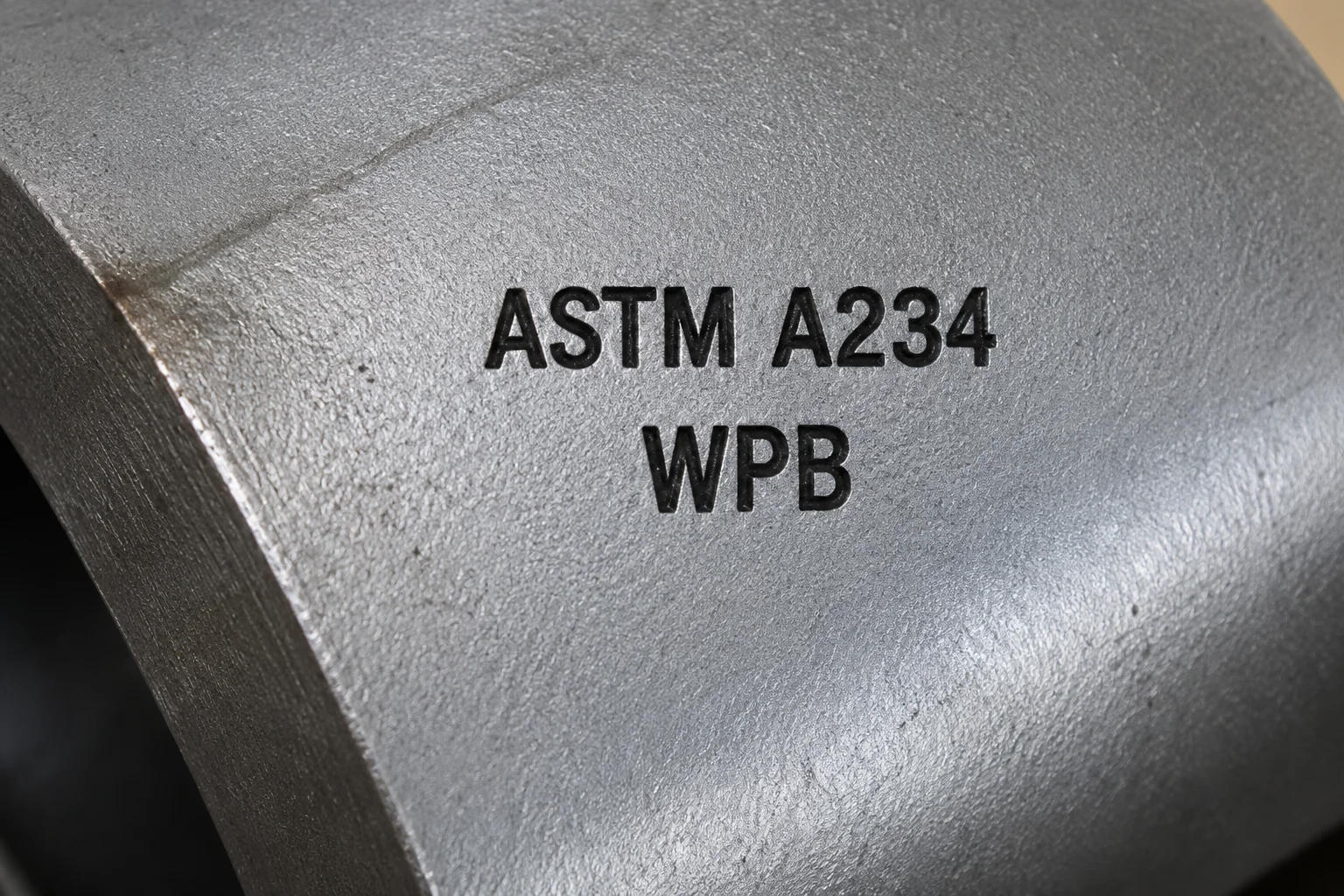
Kennzeichnung und Rückverfolgbarkeit sind wichtig, wenn mehrere Materialien oder Druckklassen zusammen gelagert werden. Eine falsche Ringfarbe, unleserliche Markierungen oder gemischte Chargen können selbst bei korrekten Dichtungsabmessungen zu Installationsfehlern führen.
Methoden, Parameter oder Prozess
Erstellen Sie den Auftrag, indem Sie zuerst die Flanschverbindung und dann die Dichtungskonstruktion identifizieren.
| Bestellfeld | Warum es wichtig ist | Beispielsteuerung |
|---|---|---|
| Dichtungskonstruktion | Wählt die anwendbaren Maß- und Materialanforderungen aus | Spiralförmig gewickeltes, ringförmiges, ummanteltes oder gerilltes Metall |
| Flanschsystem | Bestätigt die Dimensionskompatibilität | Anwendbarer ASME-Flanschstandard und -klasse |
| Nenngröße und Klasse | Wählt die richtigen Dichtungsabmessungen aus | NPS und Druckklasse |
| Metallische Materialien | Kontrolliert Korrosion, Festigkeit und Temperaturbeständigkeit | Wickel-, Ring-, Mantel- oder Vollringmaterial |
| Füller oder Verkleidung | Kontrolliert die Abdichtung und die chemische Kompatibilität | Graphit, PTFE oder vom Projekt genehmigtes Material |
| Stil und Ringe | Definiert Zentrierung und Innenringanordnung | Vom Projekt genehmigter Stil und Ringkonfiguration |
| Unterlagen | Bietet Chargen- und Materialnachweise | Zertifikat, Materialdeklaration, Maßbericht |
Checkliste für Lieferanten und Inspektionen
- Bestätigen Sie die erforderliche ASME B16.20-Ausgabe im Vertrag.
- Identifizieren Sie den Standard, die Größe, die Klasse und die Ausrichtung des Gegenflansches.
- Geben Sie die genaue Dichtungskonstruktion und Materialkombination an.
- Bestätigen Sie die Anforderungen an den Innen- und Außenring für Spiraldichtungen.
- Überprüfen Sie das Profil, das Material, die Härte und die passende Nut des Ringgelenks.
- Wicklungen, Zentrierringe, Mantelnähte, Nuten und Belaglagen auf Beschädigungen prüfen.
- Überprüfen Sie die Markierungen anhand der Bestell- und Verpackungsetiketten.
- Kontrollieren Sie die Lagerung, um Feuchtigkeit, Verformung, Verschmutzung und Kantenschäden zu vermeiden.
- Definieren Sie alle Emissions-, Feuer-, Sauerstoff-, Sauerwasser- oder Chemikalienbeschränkungen separat.
- Bestätigen Sie, dass das Flanschmontageverfahren eine geeignete Schraubenlast für die ausgewählte Dichtung bietet.
Anwendung auf Rohrverbindungen, Ventile und Flansche
Spiraldichtungen werden häufig bei Flanschen mit erhöhter Stirnfläche verwendet und können auch für bestimmte Anordnungen mit flacher Stirnfläche spezifiziert werden. Ringgelenkdichtungen passen in bearbeitete RTJ-Nuten und erfordern eine strikte Kompatibilität zwischen Ringprofil, Abmessungen, Material, Härte und Flanschnut.
Metallummantelte und genutete Metalldichtungen werden in ausgewählten Rohrleitungs- und Geräteverbindungen verwendet, bei denen die Verbindungskonstruktion die erforderliche Kompression bieten kann. Für Ventile und Gerätedüsen können besondere Dichtungsanforderungen gelten, auch wenn ihre Endbohrung einem ASME-Flanschstandard entspricht.
FAQ
Bietet ASME B16.20 Flanschabmessungen?
Nein. Es werden definierte Dichtungskonstruktionen abgedeckt. Flanschabmessungen und Nennwerte ergeben sich aus der geltenden Flanschnorm.
Gibt B16.20 ein Dichtungsmaterial für jeden Service an?
Nein. Der Käufer muss eine geeignete Materialkombination für die Flüssigkeit, Temperatur, den Druck und die Projektanforderungen auswählen.
Kann eine Ring-Joint-Dichtung an einem Dichtflansch verwendet werden?
Nein. Ringgelenkdichtungen erfordern kompatible RTJ-Nuten und das richtige Flanschdesign.
Ist eine Spiraldichtung wiederverwendbar?
Eine entfernte Dichtung wird grundsätzlich ersetzt. Die Wiederverwendung sollte nur im Rahmen eines genehmigten qualifizierten Verfahrens erfolgen.
Sollte der Dichtungslieferant Zertifikate vorlegen?
Die erforderliche Dokumentation hängt von der Bestellung ab. Bei kritischen Einsätzen werden häufig Material- und Chargendeklarationen verlangt.
Nächste Schritte
Geben Sie den Flanschstandard, die Größe, die Klasse, die Oberfläche, die Dichtungskonstruktion, alle Materialien, die Menge und die Dokumentation an. Überprüfen Sie die aktuelle, für das Projekt erforderliche Edition, bevor Sie sie zur Herstellung freigeben.
Fordern Sie ein Angebot an