सिंहावलोकन
ब्लैक पाइप फिटिंग डार्क-फिनिश धातु फिटिंग हैं जो थ्रेडेड, वेल्डेड या औद्योगिक पाइपिंग अनुप्रयोगों के लिए बेची जाती हैं। यह शब्द पूर्ण तकनीकी विशिष्टता के बजाय व्यावसायिक है। बाजार के आधार पर, यह काले निंदनीय लौह थ्रेडेड फिटिंग, कार्बन स्टील थ्रेडेड या सॉकेट-वेल्ड जाली फिटिंग, बट-वेल्ड कार्बन स्टील फिटिंग, या मिल स्केल, तेल, ब्लैक पेंट, या किसी अन्य डार्क फिनिश के साथ आपूर्ति किए गए स्टील घटकों को संदर्भित कर सकता है।
इसलिए खरीदारों को वास्तविक सामग्री, उत्पाद रूप, कनेक्शन, आयामी मानक, आकार, दीवार की मोटाई या दबाव वर्ग, थ्रेड फॉर्म, सेवा, कोटिंग, निरीक्षण और प्रमाणपत्र निर्दिष्ट करना चाहिए। यह न मानें कि "काली लोहे की पाइप फिटिंग" एक ही सामग्री से बनाई गई है या काली सतह एक ग्रेड, निर्माण विधि, रेटिंग या कोड अनुपालन साबित करती है।
पाइप घटकों के लिए यह क्यों मायने रखता है
ब्लैक पाइप फिटिंग वाक्यांश में मजबूत खोज और कैटलॉग उपयोग है, लेकिन यह कई गैर-समतुल्य उत्पादों को छिपा सकता है। एक निंदनीय लोहे की कोहनी, एक जाली कार्बन स्टील की कोहनी, और एक बट-वेल्ड स्टील की कोहनी सभी गहरे रंग की दिखाई दे सकती हैं और सभी को काली फिटिंग कहा जा सकता है। उनके आयाम, जुड़ने के तरीके, दबाव-तापमान का आधार, विफलता मोड और स्वीकार्य सेवाएं भिन्न हो सकती हैं।
यह अस्पष्टता अंतरराष्ट्रीय कोटेशन में जोखिम पैदा करती है। एक खरीदार "2-इंच ब्लैक पाइप टी फिटिंग" का अनुरोध कर सकता है, जबकि एक आपूर्तिकर्ता थ्रेडेड लचीले लोहे का उद्धरण देता है और दूसरा जाली स्टील का उद्धरण देता है। एक तिहाई अनुसूची 40 पाइप के लिए बट-वेल्ड टी की पेशकश कर सकता है। कीमतें तुलनीय नहीं हैं क्योंकि उत्पाद समतुल्य नहीं हैं।
सतही फिनिश को भी आसानी से गलत समझा जाता है। ब्लैक ऑक्साइड, मिल स्केल, अस्थायी तेल, प्राइमर, पेंट और अनकोटेड लोहे की तस्वीरें समान हो सकती हैं। इनमें से कोई भी फ़िनिश संक्षारण प्रतिरोध स्थापित नहीं करता है। सेवा वातावरण और परियोजना कोटिंग विनिर्देश को सुरक्षा आवश्यकताओं को नियंत्रित करना चाहिए।
तरीके, पैरामीटर, या प्रक्रिया
ब्लैक पाइप फिटिंग शब्द का क्या अर्थ है?
औद्योगिक खरीद में, "काले" को एक ऐसे विवरण के रूप में माना जाना चाहिए जिसे स्पष्टीकरण की आवश्यकता है। पूछें कि निम्नलिखित में से क्या आवश्यक है:
| संभावित उत्पाद | विशिष्ट संबंध | क्या पुष्टि होनी चाहिए |
|---|---|---|
| निंदनीय लौह फिटिंग | लड़ी पिरोया हुआ | सामग्री ग्रेड, थ्रेड फॉर्म, क्लास या रेटिंग आधार, गैल्वनाइजिंग या ब्लैक फिनिश |
| जाली कार्बन स्टील फिटिंग | थ्रेडेड या सॉकेट-वेल्ड | सामग्री विशिष्टता, वर्ग, अंतिम प्रकार, मानक, ताप या लॉट ट्रैसेबिलिटी |
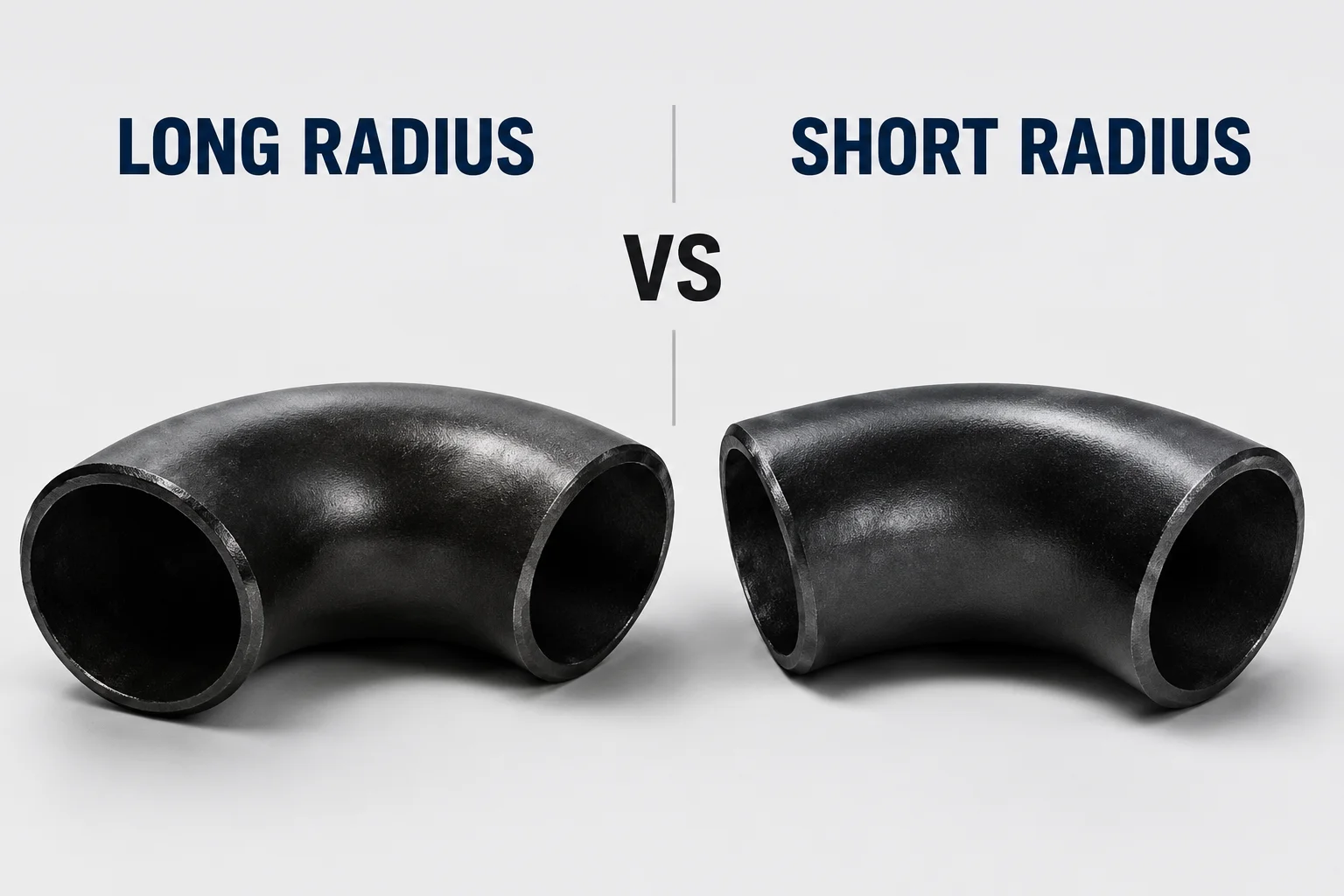
| गढ़ा हुआ कार्बन स्टील फिटिंग | बट्ट-वेल्ड | आकार, दीवार, त्रिज्या या शाखा ज्यामिति, सामग्री ग्रेड, आयामी मानक |
| निर्मित स्टील फिटिंग | वेल्डेड | ड्राइंग, प्लेट या पाइप सामग्री, वेल्ड प्रक्रियाएं, एनडीटी, डिजाइन आधार |
| सजावटी या संरचनात्मक फिटिंग | क्लैंप या सेट-स्क्रू कनेक्शन | केवल संरचनात्मक उपयोग; दबाव पाइपिंग के लिए स्वचालित रूप से उपयुक्त नहीं है |
व्यावसायिक वाक्यांश "ब्लैक आयरन" का उपयोग अक्सर स्टील पाइप और लोहे की फिटिंग के लिए किया जाता है, भले ही धातुकर्म सामग्री वस्तुतः गढ़ा लोहा न हो। खोज प्रासंगिकता के लिए वाक्यांश का उपयोग करें, लेकिन तकनीकी विवरण में वास्तविक उत्पाद सामग्री बताएं। क्रय विनिर्देश में कभी भी सामग्री स्वीकृति मानदंड के रूप में रंग का उपयोग नहीं करना चाहिए। डार्क मिल स्केल ताप और विनिर्माण मार्गों के बीच भिन्न हो सकता है, जबकि पेंट मूल सतह को पूरी तरह से छिपा सकता है। यदि ऑर्डर के लिए किसी विशिष्ट अनुपचारित, तेलयुक्त, प्राइमेड या लेपित स्थिति की आवश्यकता होती है, तो उस स्थिति और उसकी निरीक्षण विधि का सामग्री ग्रेड से अलग वर्णन करें।
काले स्टील और काले निंदनीय लोहे की फिटिंग में क्या अंतर है?
ब्लैक स्टील फिटिंग में गढ़ा या जाली कार्बन स्टील उत्पाद शामिल हो सकते हैं। डिज़ाइन के आधार पर उन्हें वेल्डेड, सॉकेट-वेल्डेड या थ्रेडेड किया जा सकता है। आवश्यक सूक्ष्म संरचना और यांत्रिक गुणों को विकसित करने के लिए निंदनीय लोहे की फिटिंग को ढाला जाता है और गर्म किया जाता है। वे आम तौर पर थ्रेडेड कनेक्शन से जुड़े होते हैं।
इंजीनियरिंग अनुमोदन के बिना दोनों समूहों को प्रतिस्थापित नहीं किया जाना चाहिए। सामग्री विनिर्देश, आयामी मानक, संयुक्त प्रकार, दबाव-तापमान रेटिंग, प्रभाव या कम तापमान की आवश्यकताएं, संक्षारण वातावरण और सिस्टम कोड की जांच करें। थ्रेडेड निंदनीय लोहे की फिटिंग में वेल्डिंग वेल्डिंग के लिए डिज़ाइन की गई कार्बन स्टील फिटिंग में वेल्डिंग के समान नहीं है।
उपस्थिति एक विश्वसनीय पहचान पद्धति नहीं है. चिह्नों और प्रमाणपत्रों में निर्माता, आकार, सामग्री, वर्ग और मानक स्थापित होना चाहिए। यदि चिह्न अधूरे हैं, तो सामग्री की पहचान है[सत्यापन आवश्यक].
कौन से थ्रेडेड, वेल्डेड और फोर्ज्ड फिटिंग प्रकार उपलब्ध हैं?
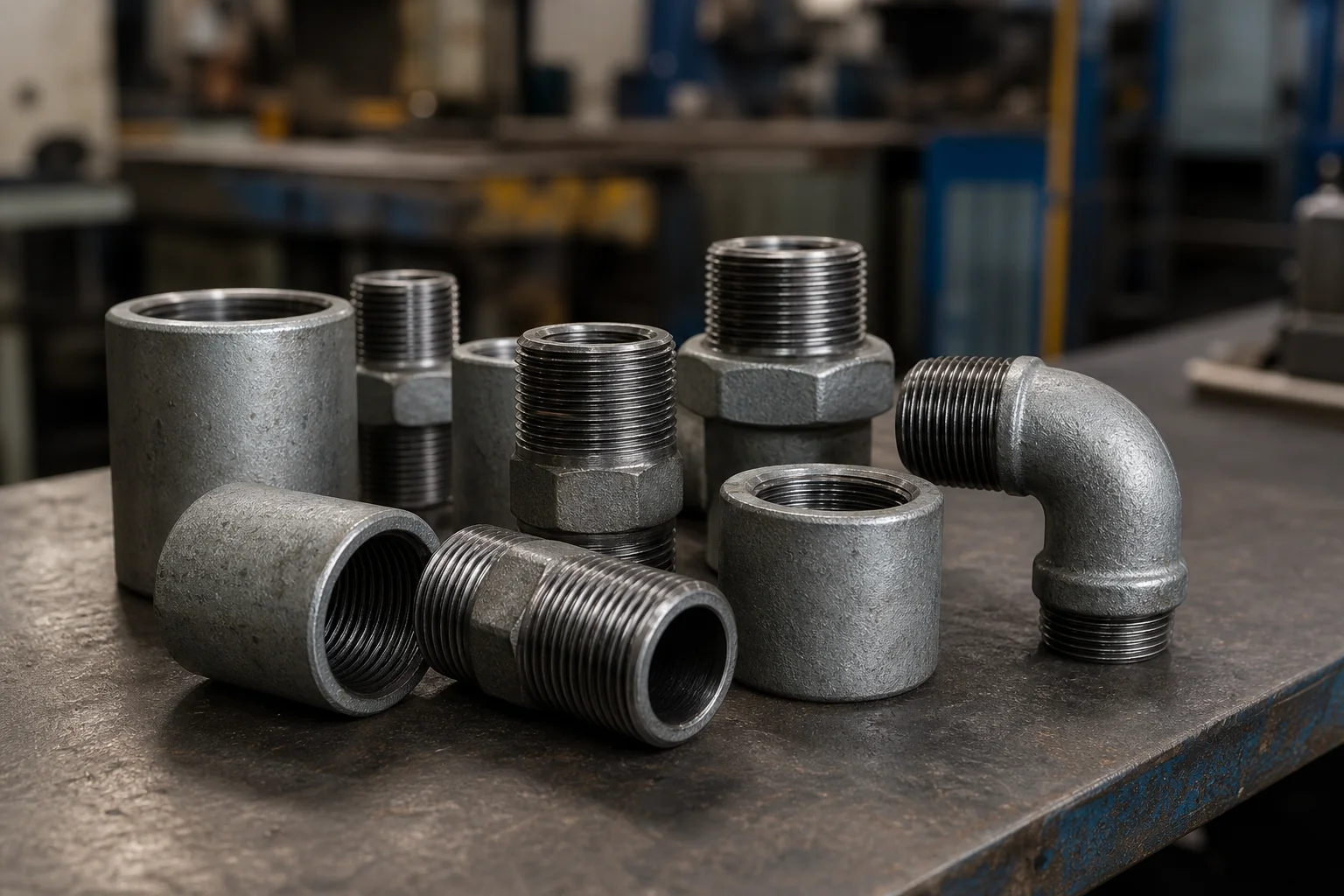
थ्रेडेड ब्लैक फिटिंग में कोहनी, स्ट्रीट एल्बो, टीज़, क्रॉस, कपलिंग, कम करने वाली कपलिंग, यूनियन, बुशिंग, कैप और प्लग शामिल हो सकते हैं। जाली फिटिंग को उत्पाद-विशिष्ट वर्गों में थ्रेडेड या सॉकेट-वेल्डेड किया जा सकता है। बट-वेल्ड ब्लैक स्टील फिटिंग में कोहनी, टीज़, रेड्यूसर, कैप और शाखा के टुकड़े शामिल हो सकते हैं।
एक काला पाइप कपलिंग दो पाइप सिरों को जोड़ता है, जबकि एक यूनियन निकटवर्ती पाइप को घुमाए बिना वियोग की अनुमति देता है। एक ब्लैक पाइप कनेक्टर एक मालिकाना यांत्रिक घटक को भी संदर्भित कर सकता है। उद्धरण को सामान्य कनेक्टर भाषा को सटीक आइटम से प्रतिस्थापित करना चाहिए।
वेल्डेड फिटिंग के लिए वेल्ड-संगत सामग्री और अनुमोदित अंतिम तैयारी की आवश्यकता होती है। थ्रेडेड फिटिंग के लिए सटीक थ्रेड मानक की आवश्यकता होती है। सॉकेट-वेल्ड फिटिंग के लिए सॉकेट आयाम और वर्ग की आवश्यकता होती है। ये श्रेणियां केवल इसलिए विनिमेय नहीं हैं क्योंकि नाममात्र का आकार मेल खाता है।
कौन से आकार, थ्रेड फॉर्म, शेड्यूल और दबाव रेटिंग की पुष्टि की जानी चाहिए?
थ्रेडेड फिटिंग के लिए, नाममात्र आकार, आंतरिक या बाहरी धागा, थ्रेड फॉर्म, पिच, टेपर या समानांतर फॉर्म, जुड़ाव और सीलिंग विधि की पुष्टि करें। एनपीटी, बीएसपीटी, बीएसपीपी, मीट्रिक और अन्य धागों में समान स्पष्ट व्यास हो सकते हैं लेकिन आम तौर पर विनिमेय नहीं होते हैं।
बट-वेल्ड फिटिंग के लिए, नाममात्र आकार, बाहरी-व्यास प्रणाली, अंतिम दीवार की मोटाई या शेड्यूल, कोण, त्रिज्या, शाखा आकार और अंतिम तैयारी की पुष्टि करें। "अनुसूची 40 स्टील पाइप फिटिंग" का उपयोग पूर्ण विवरण के रूप में नहीं किया जाना चाहिए क्योंकि सामग्री, उत्पाद प्रकार और मानक अपरिभाषित रहते हैं।
जाली फिटिंग के लिए, वर्ग की पुष्टि करें और क्या अंत थ्रेडेड या सॉकेट-वेल्डेड है। फ्लैंज वाली काली स्टील की वस्तुओं के लिए, फ्लैंज मानक, आकार, वर्ग या पीएन, फेसिंग, बोर, सामग्री और ड्रिलिंग की पुष्टि करें।
कक्षा या शेड्यूल को सार्वभौमिक दबाव रेटिंग के रूप में न मानें। स्वीकार्य दबाव लागू घटक मानक, सामग्री, तापमान, संयुक्त डिजाइन और पाइपिंग कोड पर निर्भर करता है।
आमतौर पर काली पाइप फिटिंग का उपयोग कहाँ किया जाता है?
सामग्री और अनुमोदन के आधार पर, काली फिटिंग का उपयोग औद्योगिक उपयोगिताओं, संपीड़ित हवा, ईंधन-गैस प्रणालियों, अग्नि-सुरक्षा प्रणालियों, हीटिंग सिस्टम, कम दबाव सेवाओं, प्रक्रिया पाइपिंग, मशीनरी कनेक्शन और सामान्य रखरखाव में किया जा सकता है। अनुमत उपयोग को स्थानीय विनियमन, पाइपिंग कोड, परियोजना विनिर्देशों और सटीक घटक रेटिंग द्वारा नियंत्रित किया जाता है।
कैटलॉग की एप्लिकेशन सूची इंजीनियरिंग अनुमोदन नहीं है। गैस, अग्नि सुरक्षा, भाप, ऑक्सीजन, पीने योग्य पानी और खतरनाक-तरल प्रणालियों पर अतिरिक्त प्रतिबंध हो सकते हैं। जिम्मेदार इंजीनियर या प्राधिकारी को उपयुक्तता की पुष्टि करनी चाहिए।
काली फिटिंग का उपयोग कब नहीं करना चाहिए?
जब इसकी सामग्री, रेटिंग, धागा, कोटिंग, सफाई, या प्रमाणीकरण सत्यापित नहीं किया जा सकता है तो काली फिटिंग का उपयोग न करें। परियोजना अनुमोदन के बिना संक्षारक, स्वच्छ, उच्च शुद्धता, क्रायोजेनिक, उच्च तापमान, चक्रीय, खट्टा, ऑक्सीजन, या दफन सेवा के लिए उपयुक्तता मानने से बचें।
गहरे रंग की कोटिंग साफ सिस्टम को दूषित कर सकती है या वेल्डिंग के दौरान जल सकती है। असुरक्षित कार्बन स्टील गीले या रासायनिक वातावरण में तेजी से खराब हो सकता है। जहां वेल्डेड स्टील की आवश्यकता हो वहां लचीले लोहे को मंजूरी नहीं दी जा सकती। सजावटी संरचनात्मक फिटिंग का उपयोग दबाव नियंत्रण के लिए नहीं किया जाना चाहिए जब तक कि उस उद्देश्य के लिए विशेष रूप से डिजाइन और प्रमाणित न किया जाए।
आपूर्तिकर्ता और निरीक्षण चेकलिस्ट
- वास्तविक सामग्री की पहचान करें: लचीला लोहा, गढ़ा कार्बन स्टील, जाली कार्बन स्टील, कच्चा स्टील, या अन्य।
- उत्पाद प्रकार, कनेक्शन, नाममात्र आकार, कम करने वाले आकार और वर्ग या दीवार की मोटाई की पुष्टि करें।
- गेज और रिकॉर्ड के साथ थ्रेड फॉर्म को सत्यापित करें; ट्रायल असेंबली पर भरोसा न करें.
- आयाम, बोर, सॉकेट, बेवल, केंद्र से अंत और आमने-सामने, जैसा लागू हो, जांचें।
- निर्माता, सामग्री, आकार, वर्ग, मानक, ताप या लॉट और पता लगाने की क्षमता के लिए चिह्नों की समीक्षा करें।
- पुष्टि करें कि सतह नंगी है, तेलयुक्त है, काले ऑक्साइड वाली है, पेंट की हुई है, प्राइमेड है, गैल्वनाइज्ड है, या अन्यथा लेपित है।
- गड़गड़ाहट, अपूर्ण रूप, क्षति, कोटिंग निर्माण और सुरक्षात्मक कैप के लिए धागों की जाँच करें।
- प्रभाव क्षति, भारी पैमाने, संदूषण और गलत बेवेल के लिए वेल्ड सिरों की जाँच करें।
- परियोजना के लिए आवश्यक स्तर पर सामग्री प्रमाणपत्र और निरीक्षण रिपोर्ट का अनुरोध करें।
- सामग्री या धागे के प्रकारों के क्षरण और मिश्रण को रोकने के लिए पैकेजिंग को परिभाषित करें।
गैस या विनियमित सेवा के लिए, खरीद आदेश में लागू स्थानीय आवश्यकताओं और अनुमोदन दस्तावेज़ की पहचान होनी चाहिए। केवल उत्पाद प्रकार के आधार पर "गैस स्वीकृत" या "अग्नि स्वीकृत" जैसे असमर्थित दावे न जोड़ें। जहां लिस्टिंग, पंजीकरण, या तीसरे पक्ष के अनुमोदन की आवश्यकता है, सटीक प्रमाणपत्र धारक, उत्पाद मॉडल, आकार सीमा, विनिर्माण स्थान और वैधता की पुष्टि करें। एक सामान्य आपूर्तिकर्ता प्रमाणपत्र या परीक्षण रिपोर्ट स्वचालित रूप से इस बात का प्रमाण नहीं है कि शिपमेंट में प्रत्येक फिटिंग के लिए आवश्यक अनुमोदन है।
पाइप फिटिंग, वाल्व और फ्लैंज के लिए आवेदन
ब्लैक थ्रेडेड फिटिंग अक्सर थ्रेडेड वाल्व, निपल्स, गेज और उपकरण कनेक्शन के साथ स्थापित की जाती हैं। अनुकूलता के लिए थ्रेड मानक, सामग्री, रेटिंग, सीलिंग विधि और सेवा का मिलान आवश्यक है। थ्रेड सीलेंट द्रव और तापमान के लिए उपयुक्त होना चाहिए और असंगत धागों को छिपाने के लिए इसका उपयोग नहीं किया जाना चाहिए।
ब्लैक बट-वेल्ड फिटिंग स्टील पाइप और वेल्ड-एंड वाल्व से जुड़ती है। ओडी, अंतिम दीवार, बेवल, सामग्री और गर्मी-उपचार की स्थिति का मिलान करें। ब्लैक फोर्ज्ड सॉकेट-वेल्ड फिटिंग छोटे-बोर पाइप को वाल्व या शाखाओं से जोड़ सकती है, लेकिन लाइन क्लास को संयुक्त प्रकार को नियंत्रित करना चाहिए।
काले फ्लैंज को नंगे या गहरे सुरक्षात्मक फिनिश के साथ आपूर्ति की जा सकती है। रंग से ज्यादा चेहरे की स्थिति मायने रखती है. कोटिंग और शिपमेंट के दौरान गैसकेट बैठने की सतहों को सुरक्षित रखें। पूर्ण जोड़ के रूप में फ्लैंज क्लास, फेसिंग, ड्रिलिंग, बोर, बोल्टिंग और गैस्केट की पुष्टि करें।
अक्सर पूछे जाने वाले प्रश्न
क्या काली पाइप फिटिंग लोहे या स्टील से बनाई जाती है?
उत्पाद के आधार पर वे या तो हो सकते हैं। "ब्लैक आयरन फिटिंग्स" अक्सर निंदनीय लौह थ्रेडेड फिटिंग्स को संदर्भित करता है, जबकि ब्लैक पाइप और कई वेल्डेड फिटिंग्स कार्बन स्टील हैं। सामग्री अंकन और प्रमाणपत्र की जाँच करें।
क्या काले लोहे की फिटिंग को वेल्ड किया जा सकता है?
यह मत मानिए कि वे कर सकते हैं। थ्रेडेड उपयोग के लिए बनाई गई फिटिंग लचीले लोहे की हो सकती है और फ़ील्ड वेल्डिंग के लिए स्वीकृत नहीं हो सकती है। वेल्डिंग के लिए विशेष रूप से निर्दिष्ट उत्पाद का उपयोग करें और अनुमोदित प्रक्रिया का पालन करें।
क्या काली फिटिंग संक्षारण प्रतिरोधी है?
अकेले काली सतह विश्वसनीय संक्षारण प्रतिरोध प्रदान नहीं करती है। वास्तविक कोटिंग की पुष्टि करें और क्या यह पर्यावरण, तापमान, तरल पदार्थ और क्षेत्र-संयुक्त विधि के लिए उपयुक्त है।
काली पाइप फिटिंग पर किस धागे का उपयोग किया जाता है?
थ्रेड बाज़ार और प्रोजेक्ट पर निर्भर करता है। एनपीटी, बीएसपीटी, बीएसपीपी, और अन्य फॉर्म संभव हैं। केवल नाममात्र आकार का उपयोग करने के बजाय सटीक थ्रेड मानक बताएं।
आरएफक्यू में काली पाइप फिटिंग का वर्णन कैसे किया जाना चाहिए?
वास्तविक सामग्री, उत्पाद प्रकार, आकार, कनेक्शन, धागा या आयामी मानक, वर्ग या दीवार की मोटाई, कोटिंग, सेवा, मात्रा, निरीक्षण, प्रमाणन और वितरण विवरण बताएं।
अगले कदम
अंतिम कोटेशन का अनुरोध करने से पहले "ब्लैक पाइप फिटिंग" को पूर्ण तकनीकी लाइन आइटम से बदलें। सामग्री विनिर्देश और ग्रेड, फिटिंग प्रकार, आकार, कनेक्शन, थ्रेड फॉर्म, शेड्यूल या वर्ग, लागू मानक और संस्करण, सेवा, कोटिंग, मात्रा, निरीक्षण, प्रमाणपत्र, पैकेजिंग और वितरण स्थान शामिल करें। जहां केवल दिखावे, अवस्था से ही सामग्री या फिनिश का पता चलता है[सत्यापन आवश्यक]. कॉपी में व्यावसायिक खोज शब्द रखें, लेकिन खरीदारी विवरण तकनीकी रखें।
एक उद्धरण का अनुरोध करें