Panoramica
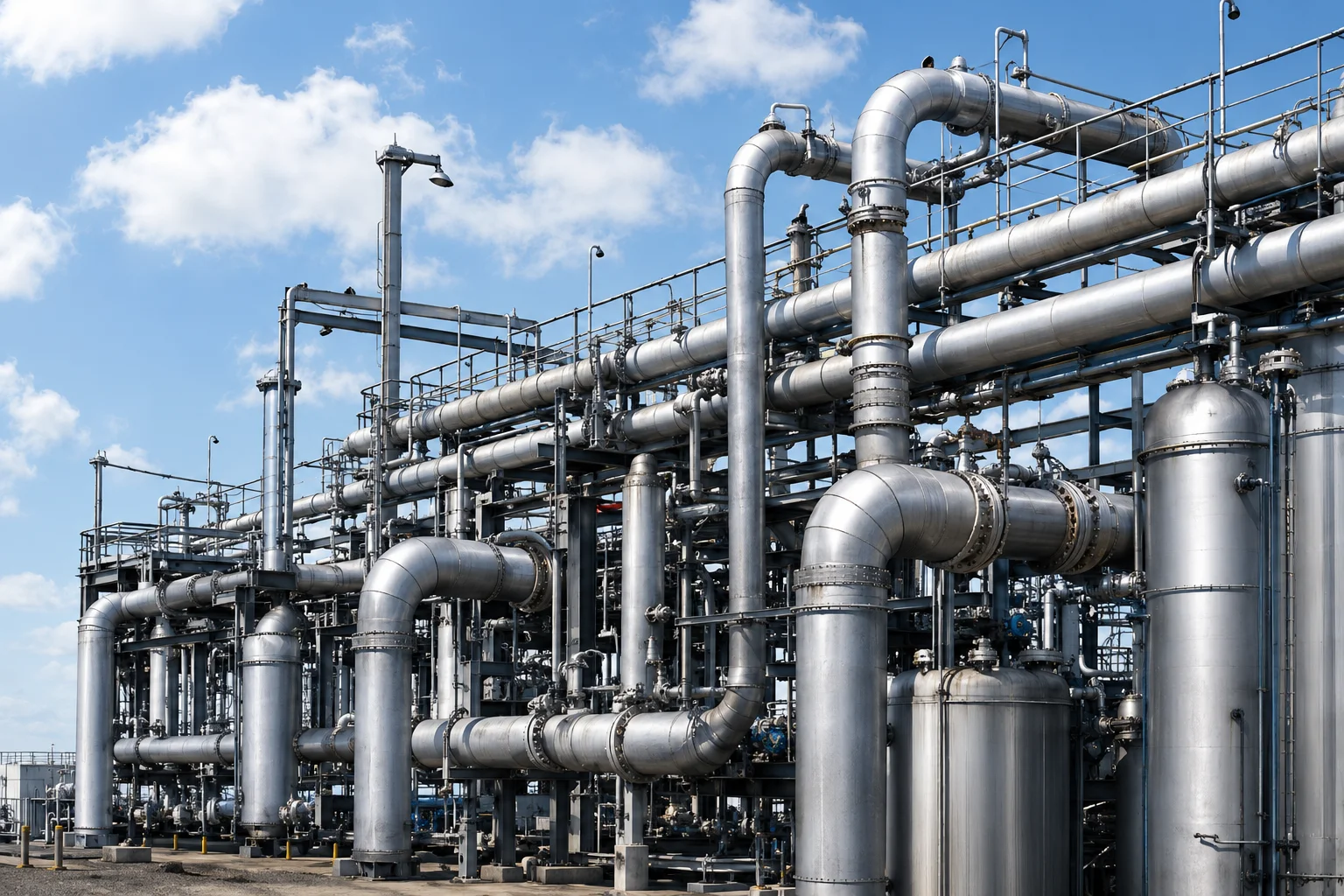
Flange e tubi sono essenziali nell'industria del petrolio e del gas naturale. Costituiscono la spina dorsale dell'infrastruttura che collega tubi, valvole e pompe in sistemi di tubazioni completi per operazioni efficienti.
Le flange consentono l'accesso per la pulizia e l'ispezione e supportano le modifiche senza interrompere l'intera linea. La scelta dei materiali e dei tipi di flangia giusti è fondamentale per la sicurezza e l'efficienza nel servizio di petrolio e gas. Questa guida copre i loro ruoli, i tipi comuni, i materiali, i fattori di selezione e le pratiche di manutenzione.
Perché è importante per i componenti delle tubazioni
Negli impianti petroliferi e del gas, flange e tubi mantengono il flusso di processo in movimento attraverso una solida infrastruttura. Collegano i tubi a valvole, pompe, serbatoi e altre apparecchiature garantendo flessibilità per la manutenzione.
L'uso corretto supporta:
- Espansione del sistema senza arresti completi
- Isolamento durante le emergenze
- Accesso per ispezione semplificato
Una selezione errata può creare rischi di perdite, disadattamento della classe di pressione, guasti dovuti alla corrosione o difficoltà di manutenzione. L'abbinamento del tipo di flangia, del materiale del tubo e degli standard applicabili alle condizioni di servizio è quindi una decisione fondamentale in termini di affidabilità.
Metodi, parametri o processo
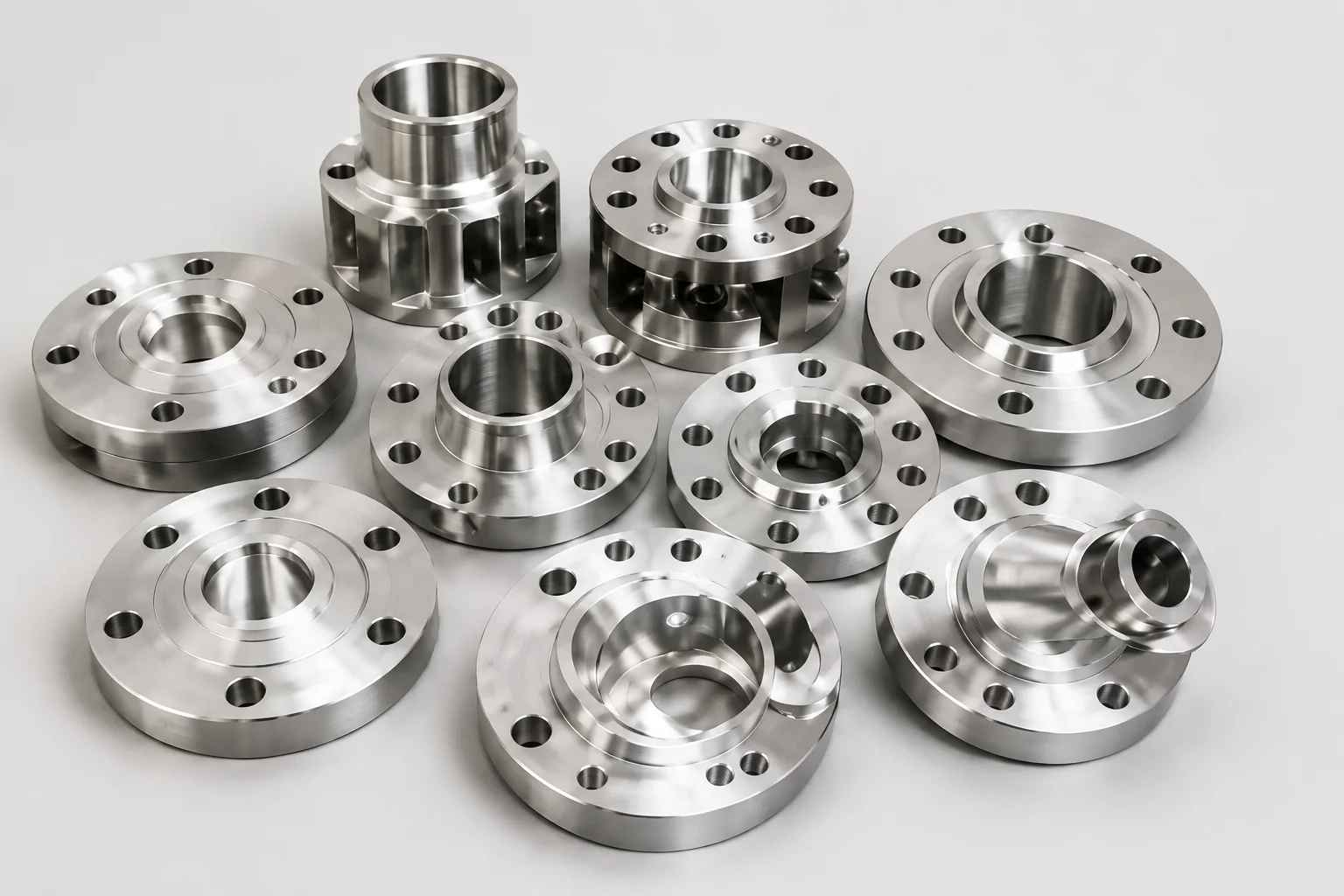
Tipi comuni di flange utilizzate nel petrolio e nel gas naturale
La scelta della flangia dipende dalla pressione, dalla temperatura, dall'accesso per la manutenzione e dal metodo di installazione. Le flange utilizzate nei progetti petroliferi e del gas devono generalmente essere allineate ai requisiti ASME, ANSI o API.
- Flangia del collo saldato:mozzo conico lungo per servizio ad alta pressione e alta temperatura
- Flangia slip-on:scorre sul tubo per una più facile installazione in sistemi a bassa pressione
- Flangia a saldare:adatto a linee ad alta pressione di piccolo diametro con forte tenuta saldata
- Flangia a sovrapposizione:utilizzato con estremità stub quando sono necessari assemblaggi frequenti e flessibilità di allineamento
- Flangia cieca:chiude saldamente le estremità dei tubi per l'isolamento, il test o l'estensione futura
- Flangia filettata:si collega tramite filettatura senza saldatura per applicazioni a bassa pressione e non critiche
Materiali per tubi e raccordi nelle applicazioni di petrolio e gas
La scelta del materiale dei tubi influisce sull'efficienza, sulla resistenza alla corrosione e sulla sicurezza in condizioni operative difficili.
- Acciaio al carbonio:forza economicamente vantaggiosa per molti servizi generali di idrocarburi
- Acciaio inossidabile:maggiore resistenza alla corrosione per ambienti difficili
- Acciaio legato:migliore idoneità per temperature elevate o condizioni di processo specializzate
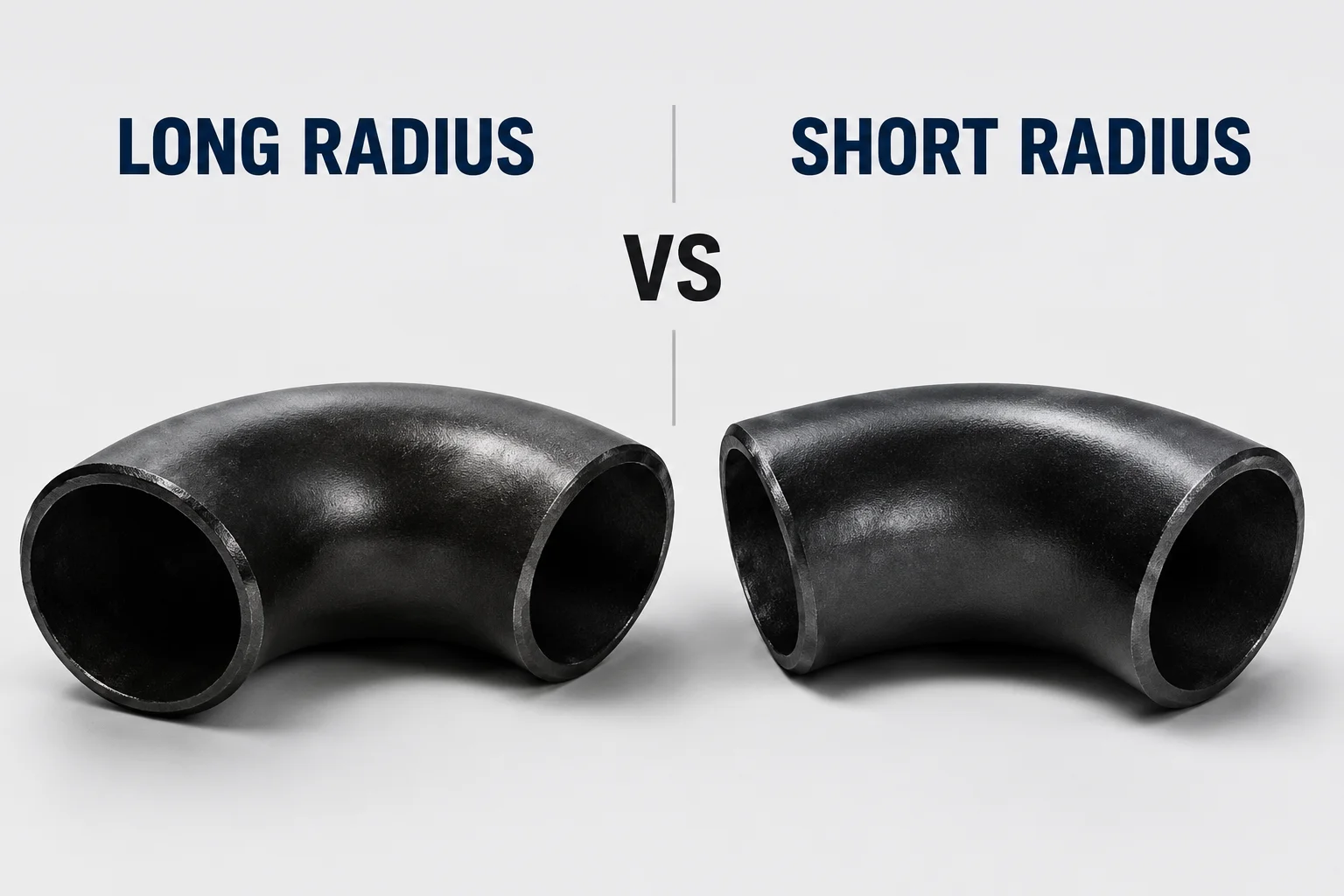
Gomiti, raccordi a T e riduttori regolano la direzione del flusso e le transizioni di diametro. La corretta selezione del raccordo supporta una gestione fluida del flusso e una configurazione affidabile del sistema.
Fattori chiave nella scelta di flange e tubi
Considerazioni importanti includono:
- Condizioni di pressione e temperatura
- Compatibilità dei materiali con i fluidi di processo
- Esposizione ambientale e resistenza alla corrosione
La scelta di questi fattori aiuta a prevenire guasti prematuri, ridurre i tempi di inattività e supportare l'affidabilità operativa a lungo termine.
Installazione, manutenzione e sicurezza
Il corretto allineamento e adattamento sono essenziali durante l'installazione. La manutenzione dovrebbe includere ispezioni e pulizie regolari per rilevare tempestivamente usura o perdite. La conformità a standard come ASME e API supporta l'affidabilità del sistema e riduce l'esposizione ai rischi per i lavoratori e le infrastrutture.
Innovazioni e tendenze future
I materiali più recenti migliorano la durata e la resistenza alla corrosione in condizioni estreme. Sono inoltre in fase di sviluppo concetti di monitoraggio come i sensori IoT per monitorare le condizioni dei tubi e supportare la manutenzione predittiva, con l’obiettivo di operazioni più sicure ed efficienti.
Lista di controllo dei fornitori e delle ispezioni
- Confermare il mezzo di servizio, la classe di pressione, la temperatura e il codice di progettazione prima di ordinare.
- Adatta il tipo di flangia alle esigenze di pressione, temperatura e manutenzione.
- Verifica i requisiti ASME, ANSI o API per le specifiche del progetto.
- Selezionare i materiali dei tubi e delle flange in base alla compatibilità dei fluidi e al rischio di corrosione.
- Controllare il rivestimento, la guarnizione, la bullonatura e la compatibilità dimensionale con valvole e apparecchiature.
- Confermare l'allineamento dell'installazione, la coppia dei bulloni e le pratiche di sigillatura dei giunti.
- Pianificare gli intervalli di ispezione per perdite, corrosione e usura.
- Richiedere documentazione come certificati dei materiali e registri di ispezione quando richiesto.
Applicazione a raccordi per tubi, valvole e flange
Nelle tubazioni del petrolio e del gas naturale, le flange spesso terminano con valvole, pompe e ugelli dei serbatoi, mentre i tubi in acciaio al carbonio, inossidabile o leghe collegano tali punti flangiati. Le flange del collo saldato sono comuni sulle linee di processo ad alta severità. Le flange cieche supportano l'isolamento e il test di pressione. I modelli slip-on, filettati e sovrapposti vengono visualizzati laddove le condizioni di pressione o manutenzione lo consentono.
Trattare flange, tubi, raccordi e valvole come un unico pacchetto di specifiche riduce la mancata corrispondenza sul campo e migliora l'affidabilità della messa in servizio.
Domande frequenti
Perché le flange e i tubi sono fondamentali negli impianti petroliferi e del gas naturale?
Creano l'infrastruttura connessa che trasporta gli idrocarburi in modo sicuro tra le apparecchiature di processo consentendo al contempo l'ispezione, l'isolamento e l'accesso per la manutenzione.
Quale tipo di flangia è preferibile per il servizio di petrolio e gas ad alta pressione?
Le flange del collo saldato sono comunemente selezionate per condizioni di alta pressione e alta temperatura perché il mozzo conico distribuisce lo stress. Le flange a saldare possono essere adatte a linee ad alta pressione di diametro inferiore.
Quali materiali per tubi sono comunemente usati nel petrolio e nel gas?
Acciaio al carbonio, acciaio inossidabile e acciaio legato sono scelte comuni. La scelta dipende dalla pressione, dalla temperatura, dal rischio di corrosione e dagli standard di progetto.
Le flange per petrolio e gas necessitano della conformità ASME o API?
Molti progetti richiedono flange e relativi componenti di tubazioni per soddisfare i requisiti ASME, ANSI e/o API. Confermare lo standard esatto e l'edizione nelle specifiche del progetto.
In che modo la manutenzione influisce sulle prestazioni di flange e tubi?
L'ispezione regolare, la pulizia e il rilevamento tempestivo delle perdite aiutano a prevenire guasti, ridurre i tempi di inattività e mantenere i sistemi allineati alle aspettative di sicurezza.
Passaggi successivi
Definire il mezzo di processo, la pressione, la temperatura, il tipo di flangia, il materiale del tubo e i requisiti ASME/ANSI/API applicabili prima dell'approvvigionamento. La selezione corretta e l'installazione controllata di flange e tubi supportano operazioni più sicure e affidabili nel settore petrolifero e del gas naturale.
Richiedi un preventivo