제품 선택

Gas Pipe Thread Sealant: Tape, Compound, and Safety Checks

A safety-focused guide to choosing and inspecting thread sealants for approved gas piping connections.

조회수 35회
Gas Pipe Thread Sealant: Tape, Compound, and Safety Checks

Overview

Gas pipe thread sealant is a tape, paste, compound, or other approved product used on compatible threaded joints to support leak-tight assembly. The product must be explicitly suitable for the gas type, pressure, temperature, pipe and fitting materials, thread system, and local jurisdiction. Color alone is not proof of approval.

Yellow PTFE tape is widely marketed for certain gas applications, but a yellow roll should not be accepted only because of its color. Read the manufacturer’s technical data, listings, limitations, application instructions, shelf life, and local requirements.

Gas pipe thread sealant tape and safety checks

Why It Matters for Pipe Components

A gas leak can create fire, explosion, asphyxiation, and operating hazards. Sealant selection is part of the approved piping system. A product suitable for natural gas may not be suitable for oxygen, LPG, hydrogen blends, aggressive gases, high temperature, or every material combination.

Sealant cannot correct a damaged or mismatched thread. Cross-threading, BSP-to-NPT mismatch, shallow engagement, cracks, dirt, excessive coating, and distorted ports require repair or replacement.

Not every connection seals on pipe threads. Flare, compression, union-seat, gasketed BSPP, and face-seal connections seal elsewhere. Applying tape to the wrong area can prevent correct seating or contaminate equipment.

Methods, Parameters, or Process

Select the product by documented suitability rather than appearance.

FactorQuestionEvidence
Gas typeNatural gas, LPG, inert gas, hydrogen blend, or other?Manufacturer compatibility and project approval
Thread systemNPT, BSPT, dryseal, or other?Drawing and fitting standard
MaterialSteel, iron, brass, stainless, plastic, or mixed?Technical data and restrictions
Pressure/temperatureOperating and test conditions?Published limits and engineering basis
Approval/listingWhat does jurisdiction or owner require?Current certificate, listing, or approved schedule
ApplicationDirection, wraps, first-thread clearance, amount, cure?Manufacturer instructions
TestingHow will leakage be checked?Approved pressure and leak-test procedure

Supplier and Inspection Checklist

  • Confirm the joint is designed to seal on the thread.
  • Verify exact thread compatibility.
  • Use a product approved for gas, pressure, temperature, and materials.
  • Follow local code, owner standard, and manufacturer instructions.
  • Clean and inspect both threads.
  • Keep tape or compound out of the flow path.
  • Apply only the specified amount and direction.
  • Do not combine products unless the approved procedure allows it.
  • Allow required cure time.
  • Perform and record the specified leak test.
  • Remake damaged, cross-threaded, or out-of-limit joints.

Application to Pipe Fittings, Valves, and Flanges

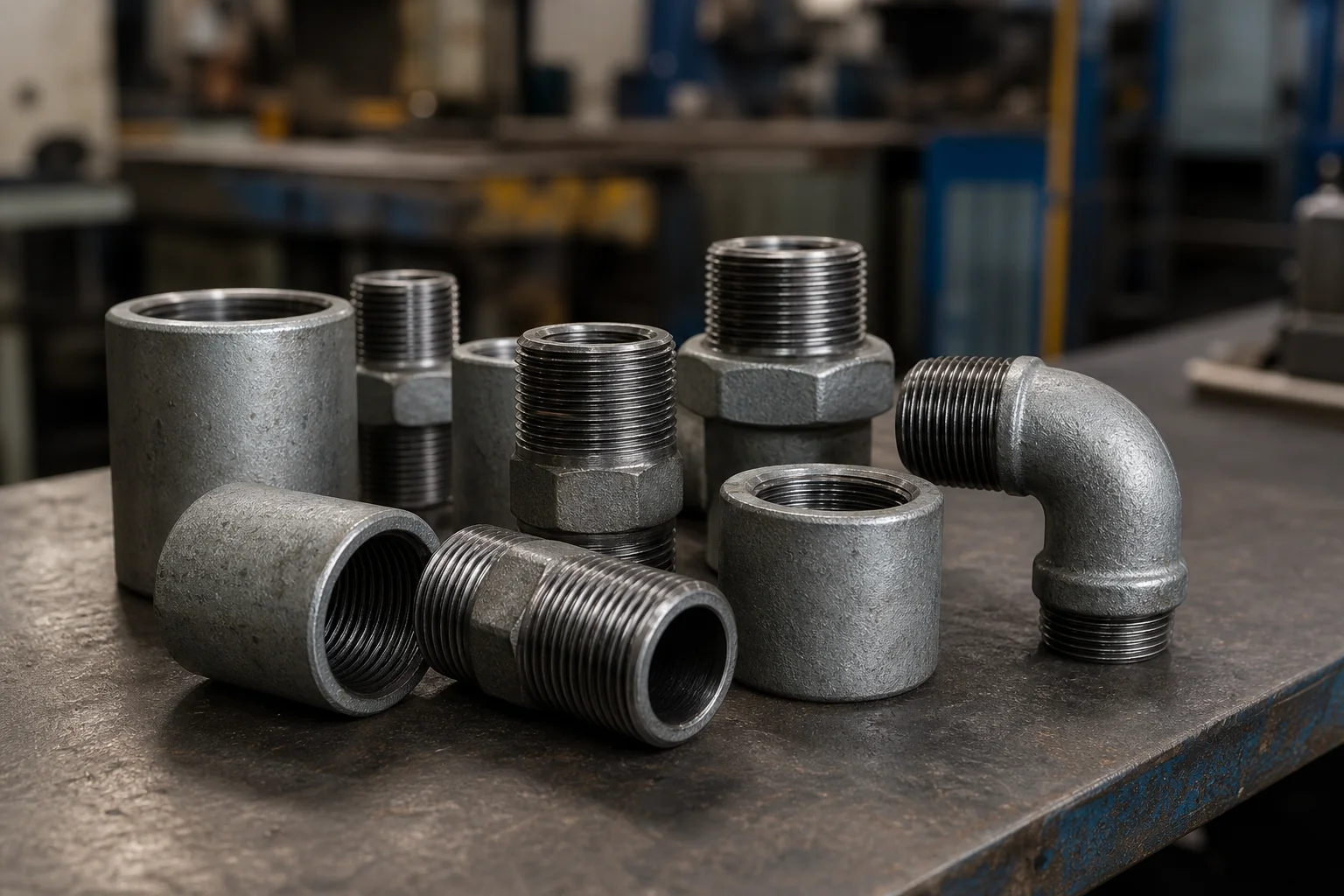
Thread sealants are used on approved NPT connections in valves, regulators, gauges, black steel pipe, and malleable-iron fittings. The product should come from the project’s approved materials list.

BSPP joints generally rely on a gasket, O-ring, bonded washer, or seat. BSPT and other systems have their own assembly requirements. A sealant used on one thread family should not be assumed suitable for another.

Oxygen-enriched and high-purity gas service can require much stricter contamination control. Use only specifically approved products and cleaning procedures.

FAQ

Is yellow PTFE tape always approved for gas?

No. Yellow is a market convention, not universal certification. Check product data, listing, gas, pressure, temperature, materials, and local rules.

Can ordinary white PTFE tape be used?

Do not decide by color. Use only a product explicitly approved for the intended gas installation.

Should tape be used on flare fittings?

No for sealing the flare. Flare fittings seal at the flare surfaces, not on the threads.

Can sealant stop a leak from mixed BSP and NPT?

No. Sealant does not make incompatible thread systems acceptable.

Is leak testing still required?

Yes. The completed assembly must be tested using the approved procedure.

Next Steps

Ask the customer to identify gas, operating and test conditions, thread type, materials, and local approval requirements. Supply sealant only as part of a verified joint specification.

Request a Quote

관련 기사

Pipe Thread Types and Inspection for Fittings and Valves
제품 선택

Pipe Thread Types and Inspection for Fittings and Valves

A technical guide to identifying and inspecting pipe threads before assembly or shipment.

1/2 NPT Pipe Thread: Size, Taper, Engagement, and Inspection
제품 선택

1/2 NPT Pipe Thread: Size, Taper, Engagement, and Inspection

A focused guide to specifying and inspecting half-inch NPT connections without confusing nominal size and measured diameter.

BSP vs NPT Threads: Differences, Identification, and Compatibility
제품 선택

BSP vs NPT Threads: Differences, Identification, and Compatibility

A practical comparison of BSPP, BSPT, and NPT threads for industrial purchasing and inspection.

파이프 피팅 견적에 대한 Hebei Nuoan 온라인 판매 지원

온라인 고객 서비스

연결 중

언제든 문의해 주세요. 최대한 빨리 답변드립니다.