Overzicht: wat is het verschil?
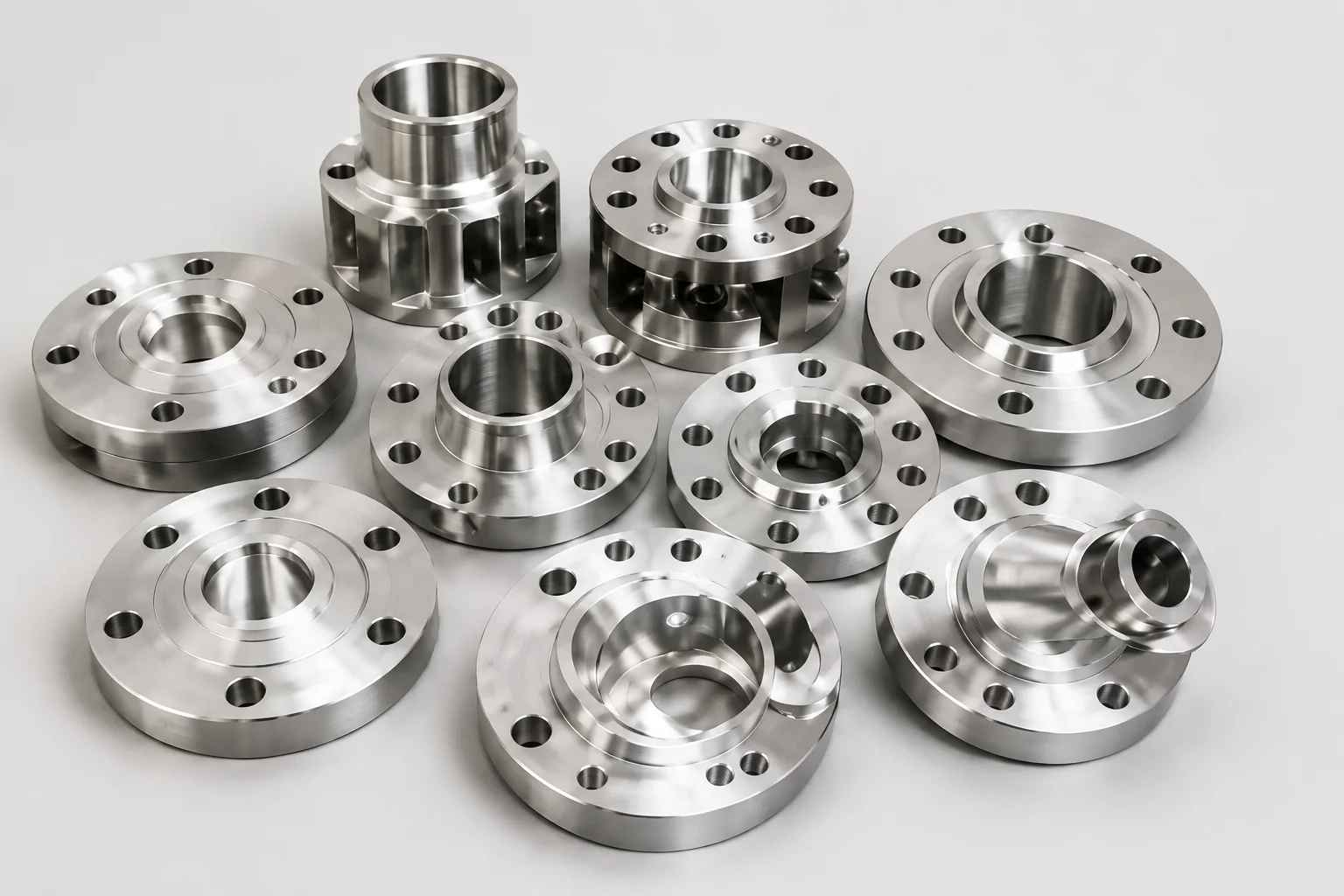
Aflens met verhoogd oppervlak (RF).heeft een verhoogd zitgedeelte voor de pakking rond de boring. Aplatte (FF) flensheeft een vlak pakkingoppervlak over het volledige oppervlak van de flens. De bekleding heeft invloed op de pakkingkeuze, boutbelasting, afdichtingsgedrag en compatibiliteit met bijpassende apparatuur.
Waarom is flensbekleding belangrijk?
Flensbekleding is geen klein detail. Als de verkeerde bekleding wordt geleverd, komt de flens mogelijk niet overeen met de bijpassende flens, pakking of spuitmond van de apparatuur. Dit kan de installatie vertragen of een afdichtingsrisico veroorzaken.
De RF versus FF-beslissing moet de leidingspecificaties van het project en het ontwerp van de bijbehorende componenten volgen.
Verhoogde gezichtsflens: wat is het?
Een verhoogde vlakflens heeft een verhoogd afdichtingsoppervlak. De pakking bevindt zich op het verhoogde gedeelte, zodat de boutbelasting wordt geconcentreerd op een kleiner pakkingcontactgebied.
RF-flenzen worden veel gebruikt in industriële leidingsystemen en komen veel voor in ASME-flenssystemen.
Platte flens: wat is het?
Een vlakke flens heeft een vlak afdichtingsoppervlak over het volledige flensvlak. Afhankelijk van het projectontwerp kunnen volvlakpakkingen worden gebruikt.
Vlakke flenzen worden vaak gekozen bij aansluiting op apparatuur of leidingcomponenten die een lagere geconcentreerde spanning op het pasvlak vereisen.
RF versus FF-vergelijking
| Item | Opgeheven gezicht | Plat gezicht |
|---|---|---|
| Afdichtingsoppervlak | Opstaande ring rond boring | Volledig vlak gezicht |
| Pakkingcontact | Meestal ringpakkinggebied | Volledige pakking of projectpakking |
| Gemeenschappelijk gebruik | Procesleidingen | Bepaalde apparatuuraansluitingen |
| Verenigbaarheid | Moet overeenkomen met de vereisten voor de bijpassende flens | Moet overeenkomen met de vereisten voor de bijpassende flens |
| Koper risico | Verkeerd kijken kan een mismatch veroorzaken | Verkeerd kijken kan een mismatch veroorzaken |
Kunnen RF- en FF-flenzen met elkaar worden verbonden?
Ga er niet van uit dat RF- en FF-flenzen kunnen worden gemengd. In sommige gevallen kan het mengen van bekledingen leiden tot ongelijkmatige belasting of schade aan de apparatuur. De projectingenieur, de leidingspecificatie en de fabrikant van de apparatuur moeten de compatibiliteit bevestigen.
Wat moeten kopers bevestigen?
- RF, FF, RTJ of speciale bekleding
- standaard en drukklasse
- soort pakking
- bijpassende flens of apparatuuraansluiting
- vereisten voor bouten en moeren
- oppervlakteafwerking indien gespecificeerd
- vereisten voor projecttekeningen
Veelgestelde vragen
Is RF beter dan FF?
Niet universeel. RF is gebruikelijk in procesleidingen, terwijl FF mogelijk vereist is voor bepaalde bijpassende apparatuur of projectvereisten.
Kan een leverancier RF in FF verwerken?
In sommige gevallen kan dit mogelijk zijn, maar dit moet vóór productie technisch en commercieel worden bevestigd.
Gebruikt EN 1092-1 dezelfde gezichtsnaamgeving als ASME?
EN- en ASME-systemen kunnen verschillende type- en tegenoverliggende aanduidingen gebruiken. Bevestig tekeningen en projectnormen.
Interne links
- Typen pijpflensvlakken
- Blinde flens
- Slip op flens
- Lasnekflens
Conversieblok voor Hebei Nuoan
Voeg duidelijke productfilters toe voorRF / FF / RTJop flenspagina's. Voeg close-upfoto's van elke gevel toe om de onzekerheid van kopers te verminderen en de kwaliteit van de offertes te verhogen.