סקירה כללית
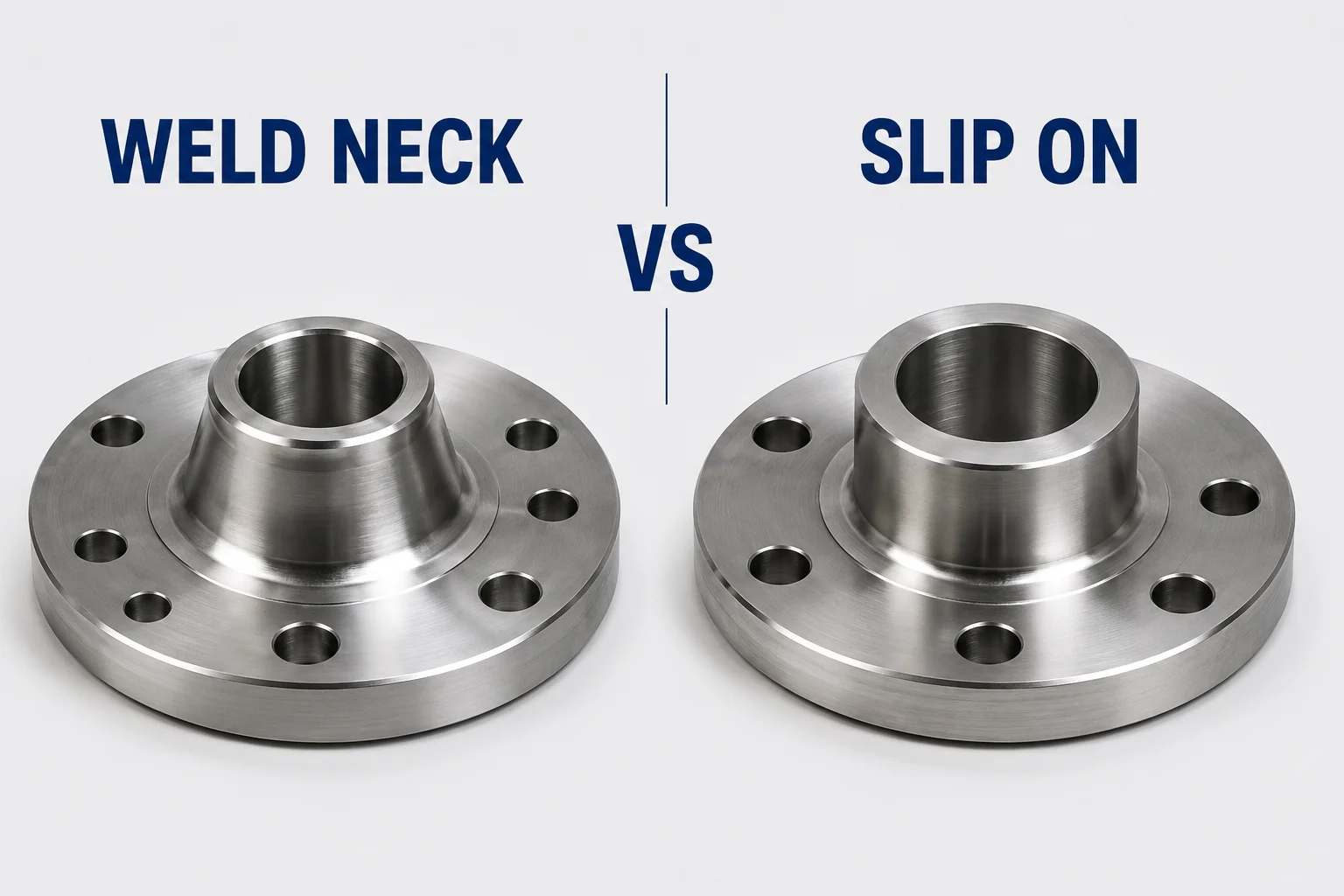
העיקריתסוגי אוגניםנבדלים על ידי האופן שבו הם מתחברים לצינור, איך הם אוטמים ואיזו תפקיד הם מבצעים. דוגמאות נפוצות כוללות צוואר ריתוך, החלקה, עיוור, ריתוך שקעים, הברגה, מפרק חרכיים, פתח, צוואר ריתוך ארוך, צלחת וסידורי קו ריק. הבחירה חייבת להיות בהתאם למפרט הצנרת ומפרט הפרויקט.
למה זה חשוב עבור רכיבי צינור
שימוש בסוג האוגן הנכון משפיע על עיצוב ריתוך, יישור, תחזוקה, חשיפה לקורוזיה, גישה לבדיקה ועלות. סוג שקל לייצור עשוי שלא להתקבל לשירות. סוג בעל ביצועים גבוהים עשוי להוסיף עלות מבלי להוסיף ערך כאשר מחלקת הצנרת אינה דורשת זאת.
סוג אוגן הוא רק חלק אחד מהייעוד. יש לציין גם תקן, גודל, דירוג, חומר, חזית, קדח, אטם, הברגה ותיעוד.
שיטות, פרמטרים או תהליך
השתמש בהשוואה זו כמסגרת בחירה, לא כתחליף לקוד העיצוב.
| סוג אוגן | חיבור או פונקציה | נקודת סקירה עיקרית |
|---|---|---|
| צוואר מרותך | רכזת מרותכת בקת | התאמה ואיכות ריתוך |
| החלקה | מחליק על צינור מרותך פילה | התאמה ועיוות |
| לְסַמֵא | סוגר פתח מאוגן | דחף לחץ ועובי |
| ריתוך שקעים | צינור נכנס לשקע מעובד | מרווח התאמה וריתוך פילה |
| מוּשׁחָל | חיבור עם הברגה | טופס שרשור ומגבלות שירות |
| מפרק הברכיים | אוגן גיבוי רופף עם קצה בדל | תאימות אוגן/קצה קצה |
| פֶּתַח | מחזיק צלחת פתח וברזי לחץ | יישור הקש וקדוח |
| צוואר ריתוך ארוך | חיבור צוואר מורחב | ציור פרויקט ועיצוב זרבובית |
| אוגן צלחת | מיוצר מלוח תחת תקן או שרטוט מאושר | צורת המוצר ושליטה במימד |
| עיוור משקפיים | ריק ומרווח קו מסתובב | הליך בידוד וטיפול |
התחל עם מחלקת הצנרת המאושרת. לאחר מכן אשר את שיטת החיבור, עומסים צפויים, מנגנון קורוזיה, טמפרטורה, לחץ, מיקום ייצור, אסטרטגיית תחזוקה ותוכנית בדיקה.
הערת אימות:כמה שמות מיוחדים נמצאים בשימוש שונה בשווקים. דרשו מהספק לצטט לפי שרטוט ותקן ולא שם מסחרי בלבד.
רשימת ספקים ובדיקה
- ודא שסוג האוגן מותר על ידי מחלקת הקו.
- ציינו את התקן, המהדורה, הגודל, הדירוג, החומר והפנים.
- התאימו את הקדח או השקע לצינור.
- הגדר פרטים של ריתוך, חוט או קצה בדל.
- ציין בסיס אטם והברגה.
- סקור את יכולת המעקב אחר החומר והבדיקות הנדרשות.
- בדוק את המידות ואת מצב הפנים.
- רשום חריגות לפני אישור הרכישה.
יישום על אביזרי צנרת, שסתומים ואוגנים
אביזרי צנרת, שסתומים, משאבות, מיכלים וציוד לחץ עשויים להשתמש בסוגי אוגן שונים במקומות שונים. לשסתום עשויים להיות קצוות מאוגנים אינטגרליים, בעוד שהסליל הסמוך משתמש באוגני צוואר מרותכים. קו עמיד בפני קורוזיה עשוי להשתמש במכלול מפרק חרכיים כדי להפריד בין חומרים רטובים לגב.
עבור ציוד ארוז, ודא אם תקן הזרבובית של הספק תואם לתקן צנרת המפעל. יש לעצב חלקי מעבר במקום לפתור על ידי הפעלת אוגנים לא תואמים יחד.
שאלות נפוצות
איזה סוג אוגן הוא החזק ביותר?
לא ניתן לדרג חוזק ללא כללי הגודל, החומר, הדירוג, הטמפרטורה, העומסים וכללי הקוד. אוגני צוואר ריתוך נבחרים לעתים קרובות עבור חובות תובעניות, אך בסיס התכנון שולט.
איזה סוג הכי קל להתקין?
סידורי החלקה ומפרקי הברכיים יכולים לפשט את היישור במקרים מסוימים. קלות ההתקנה חייבת להיות מאוזנת עם דרישות השירות והקוד.
האם אוגנים עיוורים הם סוג חיבור?
הם אוגני סגירה פונקציונליים ולא חיבורי צינור לצינור.
האם ניתן להבריג סוגים שונים של אוגנים?
רק כאשר הסטנדרטים, הדירוגים, הציפויים, המידות ועיצוב המפרק שלהם תואמים ומאושרים.
השלבים הבאים
המר את דרישת ה-line-class לייעוד רכישה מלא. לשמות אוגנים לא מוכרים או מיוחדים, צרף שרטוט ובקש מהספק לאשר את תקן הייצור ואת טופס המוצר.
בקש הצעת מחיר