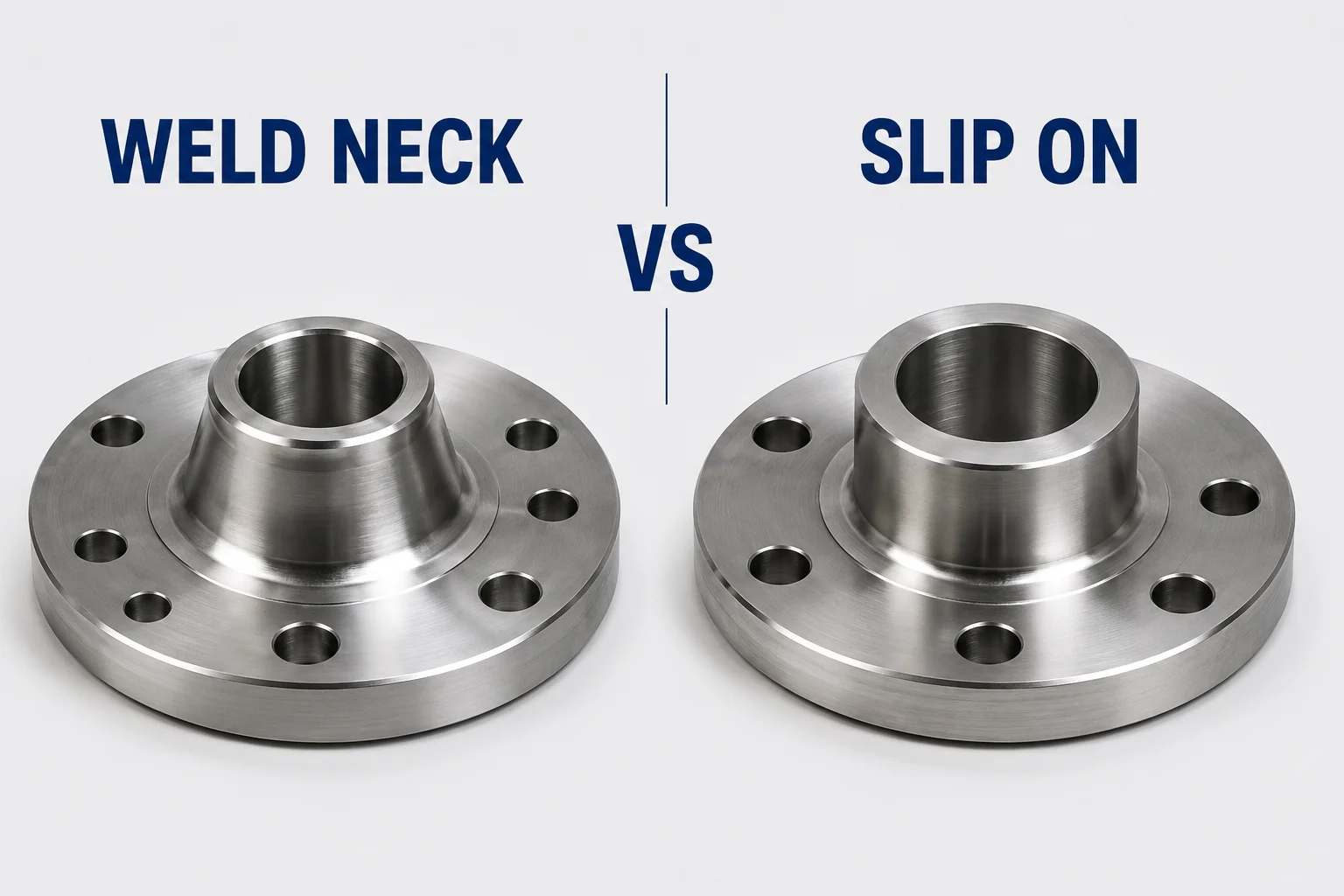
제품 선택

ASME vs ANSI: What the Terms Mean for Pipe Flanges and Fittings

Explains the difference between ANSI approval and ASME standards for industrial piping procurement.

조회수 24회
ASME vs ANSI: What the Terms Mean for Pipe Flanges and Fittings

Overview

ASME vs ANSI is mainly a question about organizational roles and document naming. ANSI coordinates and approves American National Standards through an accredited consensus process. ASME is a standards-developing organization that publishes many piping documents, including flange, fitting, valve, gasket, and pipe standards. A product is therefore usually ordered to a specific ASME designation, not to a generic “ANSI specification.”

The older phrase “ANSI flange” remains common in catalogues and enquiries. It often refers to dimensions historically published under ANSI/ASME designations, especially ASME B16.5 flange classes. That shorthand is commercially familiar but technically incomplete. The RFQ should state the current document number, required edition, size, class, flange type, facing, material, and bore.

ASME vs ANSI piping standards selection overview

Why It Matters for Pipe Components

Using only “ANSI flange” can create uncertainty about the standard, edition, class, and material. A supplier may assume ASME B16.5, while the project may require ASME B16.47, an EN flange, an AWWA flange, or a custom drawing. The drilling may look similar but still be incompatible.

The distinction also matters when reviewing certificates. ANSI does not manufacture, inspect, or certify the flange. Compliance evidence comes from the product manufacturer, material producer, inspection agency, and the requirements of the referenced standard and purchase order.

Legacy project documents can legitimately use older ANSI/ASME names. Do not automatically “correct” them without checking the contract basis. The practical task is to identify the exact technical document intended by the owner or engineer.

Methods, Parameters, or Process

Use the following hierarchy when converting informal terminology into a controlled purchase description.

QuestionCorrect approachProcurement risk if omitted
Who developed the document?Identify ASME or another standards developerGeneric ANSI wording may point to several documents
What is the designation?State the full number, such as ASME B16.5Dimensions and rating basis remain unclear
Which edition applies?Use the contractually required editionRevision changes may affect acceptance
What product is ordered?Define flange type, size, class, facing, and materialA standard number alone is not a bill of materials
Is the item custom?Attach an approved drawing and acceptance criteriaStandard markings may be misleading

Supplier and Inspection Checklist

  • Replace “ANSI flange” with the exact governing standard where possible.
  • Confirm whether the project uses a legacy edition or a current edition.
  • State nominal size, rating class or PN, flange type, facing, material, and bore.
  • Check that the certificate references the ordered material specification.
  • Verify dimensions against the standard named in the purchase order.
  • Do not assume an ANSI-approved standard is mandatory law unless adopted by a code, regulation, or contract.
  • Record any approved deviations on the drawing and inspection release.
  • Keep marketing terminology separate from compliance terminology.

Application to Pipe Fittings, Valves, and Flanges

For flanges, ASME B16.5 and ASME B16.47 are common examples of ASME product standards with different size scopes. For forged socket-weld and threaded fittings, ASME B16.11 is a different document. Valves may reference ASME B16.34 together with end-connection standards.

An engineer or buyer should therefore read the product description as a stack of requirements: design code, product standard, material specification, project specification, drawing, testing, documentation, and service conditions. “ANSI” by itself cannot replace that stack.

FAQ

Is ANSI the same as ASME?

No. ANSI oversees the American National Standards process, while ASME develops and publishes many engineering standards.

What does ANSI Class 150 usually mean?

It is common legacy shorthand for a Class 150 flange system, often associated with ASME B16.5. The exact standard must still be confirmed.

Can I write ANSI B16.5 on an RFQ?

Many older documents do, but ASME B16.5 is the current naming convention on ASME product pages. Follow the contract terminology and clarify the edition.

Does ANSI certify flange quality?

No. Product compliance is demonstrated through manufacturer controls, material certificates, inspection, and the referenced requirements.

Which term is better for SEO?

Use both naturally: explain the common “ANSI flange” wording while making ASME B16.5 or the applicable document the technical reference.

Next Steps

When an enquiry says only “ANSI flange,” ask for the drawing or complete standard designation before quoting. Record the agreed document and edition in the quotation.

Request a Quote

관련 기사

ASME B16.47 Large-Diameter Flanges: Series A and Series B
제품 선택

ASME B16.47 Large-Diameter Flanges: Series A and Series B

A procurement and inspection guide to large-diameter ASME B16.47 flange systems.

Class 125 Flanges: ANSI 125 Terminology, Materials, and Compatibility
제품 선택

Class 125 Flanges: ANSI 125 Terminology, Materials, and Compatibility

Explains why Class 125 is not the same as every Class 150 flange and why material and standard must be confirmed.

How to Verify Flange Size Before Ordering or Installation
품질 및 NDT

How to Verify Flange Size Before Ordering or Installation

A field and procurement checklist for identifying flange size without relying on one measurement.

파이프 피팅 견적에 대한 Hebei Nuoan 온라인 판매 지원

온라인 고객 서비스

연결 중

언제든 문의해 주세요. 최대한 빨리 답변드립니다.