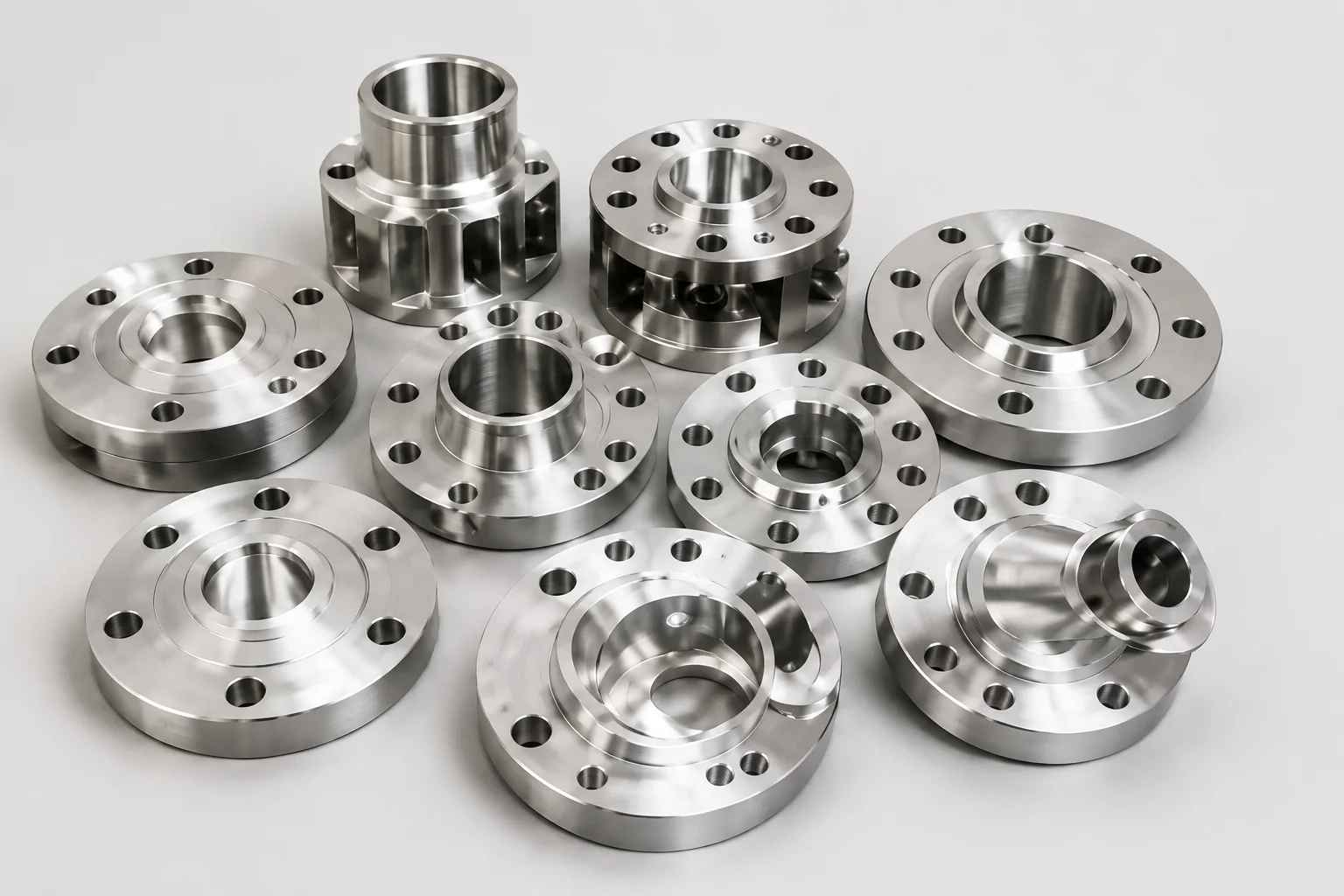
Tổng quan
Một miếng đệm toàn mặt trải dài trên hầu hết hoặc toàn bộ mặt bích và bao gồm các lỗ bu lông. Vòng đệm nằm bên trong vòng tròn bu lông và không có lỗ bu lông. Sự lựa chọn chính xác phụ thuộc vào mặt mặt bích, tiêu chuẩn đệm lót, thiết kế mối nối, vật liệu, áp suất, nhiệt độ, chất lỏng và quy trình lắp ráp.
Các từ toàn bộ mặt và vòng mô tả hình dạng đệm, không phải vật liệu đệm. Một trong hai dạng có thể được làm từ một số vật liệu phi kim loại hoặc vật liệu tổng hợp, tuân theo các giới hạn dịch vụ và tiêu chuẩn hiện hành.
Tại sao nó quan trọng đối với các thành phần đường ống
Việc sử dụng sai hình dạng miếng đệm có thể khiến miếng đệm không được đặt đúng vị trí, dịch chuyển miếng đệm trong quá trình lắp ráp hoặc tải mặt bích một cách ngoài ý muốn. Các miếng đệm toàn mặt thường được kết hợp với mặt bích phẳng, đặc biệt khi việc giảm độ cong của mặt bích hoặc bảo vệ các bộ phận giòn hoặc phi kim loại là rất quan trọng. Vòng đệm thường được sử dụng với mặt bích thép có mặt nâng.
Miếng đệm phải vừa với lỗ khoan thực tế, mặt nâng, vòng tròn bu lông và kích thước mặt bích. Một miếng đệm danh mục được dán nhãn cho một kích thước danh nghĩa vẫn có thể sai nếu tiêu chuẩn hoặc hạng khác nhau.
Việc lựa chọn chất liệu cũng quan trọng không kém. Khả năng tương thích hóa học, độ rão, độ giãn, an toàn cháy nổ, khí thải, nhiệt độ, áp suất, độ hoàn thiện bề mặt và ứng suất ép cần thiết vào chỗ ngồi phải được xem xét bởi kỹ sư chịu trách nhiệm hoặc nhà cung cấp miếng đệm.
Phương pháp, thông số hoặc quy trình
Chỉ chọn hình dạng đệm sau khi đã xác định được mối nối mặt bích hoàn chỉnh.
| Yếu tố lựa chọn | Miếng đệm toàn mặt | Vòng đệm |
|---|---|---|
| Hình học | Mở rộng đến mặt bích OD và bao gồm các lỗ bu lông | Phù hợp với vòng tròn bu lông bên trong |
| Ghép nối khuôn mặt phổ biến | Thường được sử dụng với mặt bích phẳng | Thường được sử dụng với mặt bích nâng lên |
| Kiểm soát cài đặt | Lỗ bu lông giúp xác định vị trí miếng đệm | Yêu cầu định tâm trong vòng tròn bu lông |
| Rủi ro chính | Mẫu lỗ sai hoặc vùng nén quá mức | ID/OD lệch tâm hoặc sai |
| Xác minh | Kiểm tra OD, ID, số lỗ, PCD, độ dày | Kiểm tra ID, OD, độ dày, độ vừa vặn của mặt |
Danh sách kiểm tra nhà cung cấp và kiểm tra
- Xác nhận tiêu chuẩn, kích thước, loại hoặc PN của mặt bích và mặt bích.
- Chỉ định vật liệu và kết cấu đệm, không chỉ hình học.
- Kiểm tra ID không xâm nhập vào đường dẫn luồng.
- Kiểm tra OD hoặc lỗ bu lông không cản trở việc lắp ráp.
- Kiểm tra tình trạng miếng đệm, thời hạn sử dụng, độ sạch và bao bì.
- Kiểm tra độ hoàn thiện của mặt bích, sự ăn mòn, vết trầy xước và độ phẳng.
- Sử dụng miếng đệm mới trừ khi quy trình được phê duyệt rõ ràng cho phép tái sử dụng.
- Thực hiện theo mô hình siết chặt và phương pháp tải bu lông đã được phê duyệt.
- Không xếp chồng các miếng đệm để bù đắp cho các vấn đề về căn chỉnh hoặc khe hở.
Ứng dụng cho phụ kiện đường ống, van và mặt bích
Các khớp nối mặt bích trên đường ống, van, máy bơm, bộ lọc và thiết bị sử dụng hình dạng miếng đệm phải khớp với các mặt tiếp xúc. Mặt bích phi kim loại và nhựa có thể có tải trọng bu lông cho phép thấp hơn mặt bích thép, khiến khả năng nén của miếng đệm và kiểm soát mô-men xoắn trở nên đặc biệt quan trọng.
Khoảng trống, miếng đệm hoặc tấm che kính làm thay đổi ngăn xếp mối nối và có thể ảnh hưởng đến các yêu cầu về chiều dài chốt và miếng đệm. Cả hai mặt của bộ phận được lắp vào đều yêu cầu bố trí đệm kín chính xác.
Câu hỏi thường gặp
Vòng đệm có giống như vòng đệm RTJ không?
Không. Vòng đệm có thể có nghĩa là một miếng đệm hình khuyên phẳng, trong khi RTJ thường đề cập đến một miếng đệm khớp vòng kim loại được sử dụng trong rãnh gia công.
Có thể sử dụng miếng đệm toàn mặt trên mặt bích nâng lên không?
Chỉ khi thiết kế chung và các yêu cầu về thành phần cho phép. Đừng cho rằng sự kết hợp là chính xác.
Tại sao miếng đệm kín mặt lại có lỗ bu lông?
Miếng đệm trải dài trên mặt bích nên cần có lỗ để bắt vít.
Màu đệm có nhận biết được vật liệu không?
Không đáng tin cậy. Sử dụng nhãn hiệu, chứng chỉ và dữ liệu kỹ thuật của nhà sản xuất.
Hai miếng đệm mỏng có thể thay thế một miếng đệm dày không?
Bình thường thì không. Việc xếp chồng có thể làm tăng nguy cơ giãn và rò rỉ trừ khi được thiết kế đặc biệt.
Các bước tiếp theo
Gửi cho nhà cung cấp miếng đệm tiêu chuẩn mặt bích, kích thước, cấp, bề mặt, chất lỏng, áp suất, nhiệt độ, độ hoàn thiện bề mặt và các chi tiết bắt vít. Phê duyệt bản vẽ đệm cho các mối nối quan trọng.
Yêu cầu báo giá