ملخص
التشقق بين الحبيبات هو تشقق ينتشر بشكل رئيسي على طول حدود الحبوب. في مكونات الأنابيب غير القابل للصدأ، يمكن أن يرتبط ذلك بالحساسية، أو خدمة التآكل، أو دورات اللحام الحرارية، أو المعالجة الحرارية غير المناسبة، أو الإجهاد، أو مزيج من هذه العوامل. لا ينبغي استخدام المصطلح كتشخيص كامل للفشل دون علم المعادن وتاريخ الخدمة والتحقق من المواد وتحليل الكسور.
يمكن أن يصبح الفولاذ المقاوم للصدأ الأوستنيتي حساسًا عندما يسمح التعرض الحراري للكربيدات الغنية بالكروم بالتشكل عند حدود الحبوب ويخلق مناطق مستنفدة للكروم في مكان قريب. ويعتمد ما إذا كان هذا يؤدي إلى ضرر ميداني على درجة السبيكة، ومحتوى الكربون، والاستقرار، ومدخلات الحرارة، والوقت عند درجة الحرارة، والتبريد، والإجهاد، وبيئة العملية.
لماذا يهم لمكونات الأنابيب
قد يكون من الصعب اكتشاف هجوم حدود الحبوب أثناء فحص الأبعاد العادي. يمكن للتركيب أو الحافة أو اللحام أن يجتاز اختبار الضغط ويتحلل لاحقًا في بيئة قابلة للتآكل. يعد الخطر مهمًا بالقرب من مناطق اللحام المتأثرة بالحرارة، والمسبوكات التي تم إصلاحها، والمكونات المعالجة حرارياً بشكل غير صحيح، والأجزاء المعرضة لدرجات حرارة مرتفعة لفترة طويلة.
التآكل بين الحبيبات، والتكسير الناتج عن الإجهاد والتآكل بين الحبيبات، والتكسير الساخن، والتكسير المتصلب هي آليات مختلفة. إن التعامل معهم على أنهم نفس المشكلة يمكن أن يؤدي إلى اتخاذ إجراء تصحيحي خاطئ. على سبيل المثال، لا يؤدي خفض الإجهاد المتبقي إلى تصحيح الكيمياء غير المناسبة، ولا يؤدي التلدين بالمحلول إلى إزالة كل آليات التكسير المتعلقة بالخدمة.
يجب على المشترين التحكم في حالة المادة، وإجراءات اللحام، والتاريخ الحراري، ومعالجة السطح، واختبارات التآكل المطلوبة عندما تكون الخدمة حساسة لتدهور حدود الحبوب.
الأساليب أو المعلمات أو العملية
يجمع التحقيق الموثوق بين سجلات المواد وبيانات الخدمة والفحص غير المدمر والتحليل المختبري.
| منطقة التقييم | ما يجب فحصه | أدلة مفيدة |
|---|---|---|
| الهوية المادية | الدرجة، مستوى الكربون، حالة مستقرة أو منخفضة الكربون | MTC، PMI، رقم الحرارة، المواصفات الأصلية |
| التاريخ الحراري | اللحام، الإصلاح، التشكيل، المعالجة الحرارية، التعرض للخدمة | WPS، سجلات الفرن، خرائط الإصلاح، تاريخ التشغيل |
| موقع الضرر | لحام المعادن، HAZ، المعادن الأساسية، إصلاح الصب، السطح | الخريطة المرئية، نتائج PT، خطة التقسيم |
| البنية المجهرية | هجوم حدود الحبوب، المراحل، مسار الشق | علم المعادن والاختبارات المعملية المناسبة |
| بيئة | درجة الحرارة، الكلوريدات، الأحماض، أنواع الكبريت، الرطوبة | تحليل العملية والتاريخ المضطرب |
| حالة التوتر | الإجهاد المتبقي أو المطبق أو الدوري أو الحراري | مراجعة التصميم وتوجيه الكسر |
| قبول | متطلبات التآكل الخاصة بالمشروع أو المواد | أمر الشراء ومعيار الاختبار المعتمد |
قائمة مراجعة الموردين والتفتيش
- تأكد من درجة الفولاذ المقاوم للصدأ بالضبط وقم بتسليم حالة المعالجة الحرارية.
- قم بمراجعة ما إذا كانت الدرجات المنخفضة الكربون أو المستقرة مطلوبة بموجب مواصفات الخدمة.
- التحكم في مدخلات حرارة اللحام، ودرجة الحرارة البينية، وتكرار الإصلاح من خلال إجراء مؤهل.
- منع تلوث الكربون الصلب أثناء القطع والطحن والتشكيل والتفجير.
- احتفظ بمخططات الفرن وسجلات معالجة المحاليل بحيث يمكن تتبعها إلى مجموعة المنتج عند طلب المعالجة.
- استخدم طرق فحص السطح المناسبة للشقوق المفتوحة، ولكن لا تعتمد على اختبار PT وحده لتحديد السبب الجذري.
- تحديد أي اختبار للتآكل الحبيبي ومعايير القبول في أمر الشراء.
- تحقق من الصلابة غير المتوقعة أو تغير اللون أو مقياس الأكسيد أو مناطق الإصلاح المتكررة.
- الحفاظ على عينات تمثيلية قبل طحن الأضرار المشتبه فيها.
- استخدم مختبر معادن مؤهل لتشخيص الفشل.
التطبيق على تجهيزات الأنابيب والصمامات والشفاه
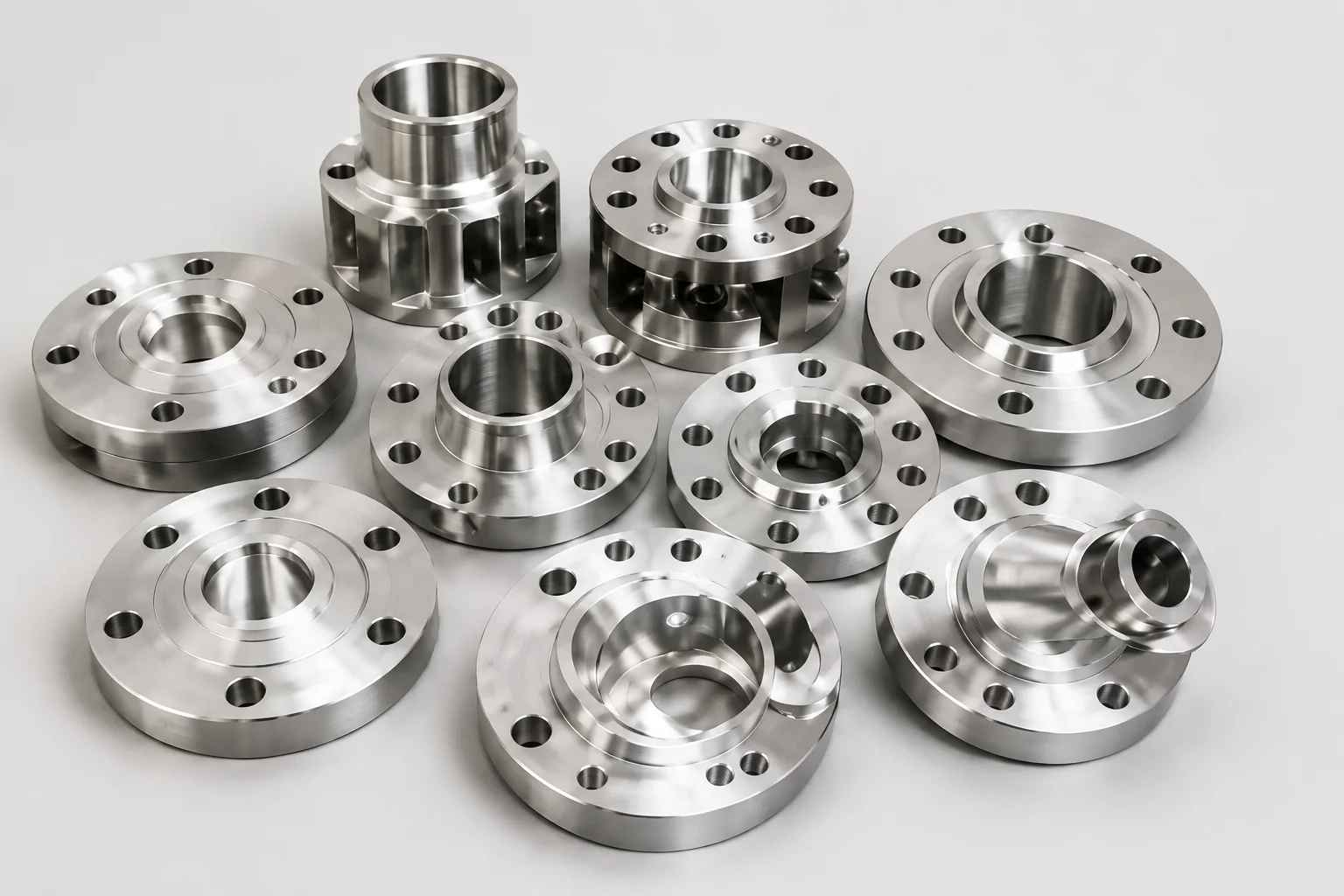
يمكن أن تتعرض الأكواع والمحملات والمخفضات والفلنجات ذات الرقبة الملحومة إلى دورات حرارية حساسة أثناء التشكيل أو اللحام أو الإصلاح أو المعالجة الحرارية غير الصحيحة. قد تحتوي أجسام الصمامات المصبوبة على لحامات إصلاح وتاريخ حراري معقد. تقدم الأنابيب المغطاة وطبقات اللحام التخفيف والمناطق المتعددة المتأثرة بالحرارة والتي تحتاج أيضًا إلى التحكم.
عندما يكون التلدين بمحلول مطلوبًا، يجب على المورد إثبات دورة مناسبة للدرجة وطريقة تبريد. المعالجة الحرارية الميدانية الموضعية لا تعادل تلقائيًا معالجة المحلول الكامل. تنظيف السطح والتخميل قد يحسن حالة السطح ولكن لا يعكس البنية المجهرية غير المناسبة.
التعليمات
هل التآكل بين الحبيبات هو نفس التشقق بين الحبيبات؟
لا، يمكن أن يهاجم التآكل بشكل تفضيلي حدود الحبوب دون حدوث صدع ميكانيكي. يتطلب التشقق ضغطًا إضافيًا وظروف الضرر.
هل يمكن للفحص البصري تحديد التحسس؟
عادة ليس من تلقاء نفسه. قد تكون هناك حاجة إلى تاريخ المواد أو اختبار التآكل أو علم المعادن أو طرق مؤهلة أخرى.
هل استخدام 304L أو 316L يزيل المخاطر؟
تعمل الدرجات منخفضة الكربون على تقليل مخاطر التحسس أثناء العديد من عمليات اللحام، ولكنها لا تقضي على كل آلية حرارية أو تآكل أو تكسير.
هل يمكن للتخليل إصلاح الضرر بين الحبيبات؟
التخليل يزيل التلوث الحجمي والسطحي. لا يقوم باستعادة المناطق الحدودية للحبوب المستنفدة بالكروم أو إصلاح الشقوق.
هل يجب أن يخضع كل تركيب غير قابل للصدأ لاختبار التآكل الحبيبي؟
لا. يجب أن يكون الاختبار مطلوبًا عندما تتطلب مواصفات المادة أو الخدمة أو معيار المشروع أو أمر الشراء ذلك.
الخطوات التالية
للحصول على خدمة حساسة، حدد الدرجة والمعالجة الحرارية وحدود اللحام واختبارات التآكل وحالة السطح والوثائق قبل الطلب. في حالة الفشل، احتفظ بالعينات واجمع السجل الحراري والتشغيلي الكامل.
طلب عرض أسعار