ملخص
المعالجة الحرارية هي عملية تسخين وتبريد يتم التحكم فيها وتستخدم للحصول على الخصائص المطلوبة في تركيب الأنابيب أو الحافة أو جسم الصمام أو المكون المطروق. يمكنه تحسين بنية الحبوب، وضبط الصلابة، وتحسين المتانة، واستعادة مقاومة التآكل، أو تقليل الضغوط الناتجة عن التشكيل واللحام. تأتي الدورة الصحيحة من مواصفات المادة، ومسار التصنيع، وحالة الخدمة، ورمز الأنابيب، وأمر الشراء. لا ينبغي اختياره فقط لأن المنتج يسمى الفولاذ الكربوني أو الفولاذ المقاوم للصدأ.
بالنسبة للشراء، السؤال المفيد ليس ببساطة ما إذا كان الجزء قد تمت معالجته بالحرارة. يجب على المشتري تأكيد العملية الدقيقة، ولماذا كانت مطلوبة، وكيف تم التحكم في دورة الفرن، وما هي سجلات الاختبار التي تثبت الامتثال.
لماذا يهم لمكونات الأنابيب
يمكن أن يؤدي التزوير والصب والتشكيل الساخن والتشكيل البارد والتصنيع واللحام والإصلاح إلى تغيير الإجهاد المتبقي والصلابة وبنية الحبوب واستقرار الأبعاد. قد يبدو أحد المكونات صحيحًا ولكن لا يزال سلوكه الميكانيكي غير مناسب إذا كان تاريخه الحراري غير قابل للتحكم.
تؤثر المعالجة الحرارية أيضًا على اللحام والفحص النهائي. الصلابة المفرطة يمكن أن تزيد من خطر التشقق. يمكن أن يؤدي التشويه إلى تغيير محاذاة الحافة أو أبعاد التركيب. يمكن أن يخفي المقياس الثقيل اللفات أو اللحامات أو الطحن. بالنسبة للمنتجات المصنوعة من الفولاذ المقاوم للصدأ والسبائك، يمكن أن تؤدي الدورة غير الصحيحة إلى تقليل أداء التآكل.
لا يوجد علاج عالمي لكل درجة. تتطلب بعض المواصفات العلاج فقط في ظل ظروف محددة، بينما يسمح البعض الآخر بأكثر من طريق واحد. يجب على المهندس مراجعة درجة المادة وسمكها ودرجة حرارة التشكيل ودرجة حرارة التصميم ومتطلبات التأثير والمتطلبات التكميلية والإصدار القياسي المطلوب تعاقديًا.
الأساليب أو المعلمات أو العملية
الطرق المذكورة أدناه شائعة في تصنيع مكونات الأنابيب. ويعتمد استخدامها على الدرجة والمشروع، وبالتالي فإن الجدول ليس بديلاً عن المواصفات المطبقة.
| طريقة | غرض نموذجي | السياق المشترك | ما للتحقق |
|---|---|---|---|
| الصلب | يخفف المواد أو يحسن قابلية التشغيل | المسبوكات والأجزاء المشكلة والسبائك المختارة | درجة الحرارة، زمن الإحتفاظ، طريقة التبريد، الخواص النهائية |
| التطبيع | ينقي الحبوب وينتج حالة أكثر اتساقًا | المطروقات من الصلب الكربوني والتجهيزات المشكلة | مشغل المواصفات، سمك القسم، الرسم البياني، الاختبارات |
| تطبيع ومزاج | يضبط القوة والمتانة | أجزاء مختارة من الكربون والسبائك المنخفضة | التسلسل، درجة الحرارة، الصلابة، المتانة |
| إخماد ومزاج | يطور القوة والمتانة التي يمكن التحكم فيها | المطروقات عالية القوة وأجزاء السبائك | إخماد الوسط، وقت النقل، التقسية، الاختبارات |
| الصلب الحل | يستعيد الحالة المعالجة بالمحلول | الفولاذ الأوستنيتي وسبائك مختارة | درجة الحرارة الخاصة بالصف والتبريد والنظافة |
| تخفيف التوتر أو PWHT | يقلل من اللحام أو تشكيل الضغوط | افتراءات ملحومة وبعض الأجزاء المشكلة | إمكانية تطبيق الكود، الإجراء، المزدوجات الحرارية، الرسم البياني |
قائمة مراجعة الموردين والتفتيش
- قم بتأكيد تسمية المواد الكاملة والإصدار المطلوب لكل مواصفات.
- حدد ما إذا كان الجزء مزورًا، أو مصبوبًا، أو مشكلًا على الساخن، أو باردًا، أو ملحومًا، أو تم إصلاحه.
- اسأل ما إذا كان العلاج إلزاميًا أم اختياريًا أم ناجمًا عن السماكة أو الخدمة.
- مراجعة تعريف الفرن، والمعايرة، والتحميل، والمزدوجات الحرارية، ووقت الانتظار، وطريقة التبريد.
- الحفاظ على رقم الحرارة وإمكانية تتبع الدفعة من خلال المعالجة والتفجير والتصنيع الآلي والطلاء.
- مقارنة الصلابة والاختبارات الميكانيكية مع المواصفات المطلوبة والمتطلبات الإضافية.
- تأكد مما إذا كانت هناك حاجة إلى اختبارات التأثير أو التآكل أو الفريت أو اختبارات إضافية.
- فحص التشوه، والحجم الثقيل، والأكسدة، والتكسير، وتغيير الأبعاد.
- لا تقبل عبارة عامة مثل "المعالجة بالحرارة" عندما تكون الدورة المطلوبة غير محددة.
التطبيق على تجهيزات الأنابيب والصمامات والشفاه
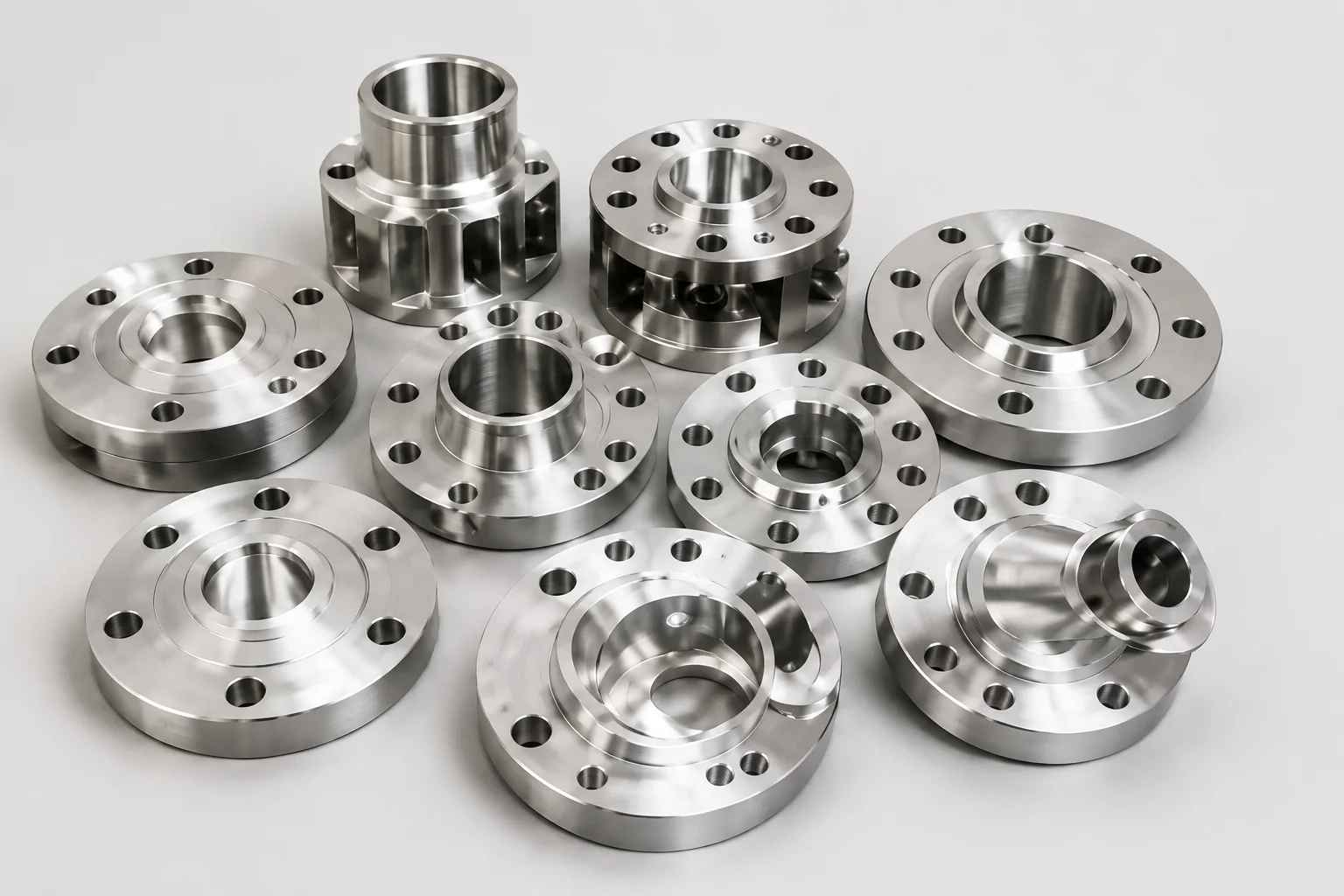
يجب أن تلبي الفلنجات المصنوعة من الفولاذ الكربوني كلاً من متطلبات المواد ومعيار الفلنجة المحدد. لا تحل المعالجة الحرارية محل فحوصات الواجهة والحفر والتجويف والأبعاد والعلامات وملاءمة درجة حرارة الضغط.
يمكن أن تكون تركيبات اللحام التناكبي مشكلة على الساخن أو على البارد أو مصنعة. يمكن أن يؤثر تاريخ تشكيلها وسمك جدارها على متطلبات العلاج. تستخدم التركيبات الملولبة واللحامة المقبسية معايير منتجات مختلفة عن التركيبات الملحومة بعقب، في حين تقدم مصبوبات الصمامات ضوابط منفصلة لجودة الصب والإصلاح.
بالنسبة للمكونات المصنوعة من الفولاذ المقاوم للصدأ والسبائك العالية، تعتبر النظافة وممارسة التبريد والتحكم في التلوث ذات أهمية خاصة. يجب على المورد الحفاظ على الهوية من خلال كل عملية حرارية وتشطيب.
التعليمات
هل كل شفة من الصلب الكربوني مطلوبة للتطبيع؟
لا، فالمتطلبات تعتمد على مواصفات المادة وحجمها وسمكها وطريق التصنيع والخدمة والمتطلبات الإضافية.
ما الذي يثبت أن المعالجة الحرارية قد اكتملت؟
يمكن أن يتضمن الدليل شهادة المواد، ومخطط الفرن، وسجل الدفعة، وبيانات المزدوجات الحرارية، ونتائج الصلابة، ومستندات التتبع، اعتمادًا على أمر الشراء.
هل تخفيف التوتر هو نفس التطبيع؟
لا، تختلف الدورات والأغراض المعدنية. يستهدف تخفيف الإجهاد بشكل أساسي الإجهاد المتبقي، بينما يؤدي التطبيع إلى تغيير البنية المجهرية للصلب.
هل يمكن للمعالجة الحرارية تصحيح درجة المواد الخاطئة؟
لا، يمكنها تغيير حالة المادة المناسبة ولكن لا يمكنها تحويل الكيمياء الخاطئة إلى الدرجة المطلوبة.
هل يجب ذكر الإصدار القياسي؟
نعم عندما يتطلب عقد المشروع طبعة محددة. وبخلاف ذلك، يجب على المورد والمشتري الاتفاق على المستندات الحاكمة قبل الإنتاج.
الخطوات التالية
أرسل للمورد الدرجة الكاملة ومعيار المنتج والحجم والسمك ودرجة حرارة الخدمة والاختبارات ومستوى الشهادة. اطلب مسار المعالجة الحرارية المقترح قبل الإنتاج عندما تكون الدورة ذات أهمية فنية.
طلب عرض أسعار