सिंहावलोकन
उभरे हुए चेहरे और सपाट चेहरे वाले फ्लैंज के बीच चयन करने से सीलिंग अखंडता, दबाव क्षमता और उपकरण सुरक्षा प्रभावित होती है। आरएफ उच्च दबाव वाले स्टील सिस्टम के लिए बोल्ट लोड को केंद्रित करता है; एफएफ कच्चा लोहा और प्लास्टिक जैसी भंगुर सामग्री के लिए भार फैलाता है।
औद्योगिक पाइपिंग सिस्टम को डिजाइन, स्थापित या रखरखाव करते समय, दीर्घकालिक सुनिश्चित करने के लिए सही घटकों का चयन करना बिल्कुल महत्वपूर्ण हैपाइपिंग सिस्टम सीलिंग अखंडता. सबसे आम और यकीनन सबसे महत्वपूर्ण निर्णयों में से एक है इंजीनियरों और पाइपफिटर्स के बीच निर्णय लेनाउठा हुआ चेहरा बनाम सपाट चेहरा निकला हुआ किनारा.
जबकि दोनों पाइप, वाल्व, पंप और अन्य आवश्यक उपकरणों को जोड़ने के मूल उद्देश्य को पूरा करते हैं, उनके अलग-अलग डिज़ाइन पूरी तरह से अलग-अलग अनुप्रयोगों को पूरा करते हैं। ए की बारीकियों को गलत समझनाउठा हुआ चेहरा निकला हुआ किनारा बनाम सपाट चेहरा निकला हुआ किनारासेटअप से खतरनाक रिसाव, उपकरण क्षति और भयावह सिस्टम विफलताएं हो सकती हैं।
आइए इन दो आवश्यक बातों पर गौर करेंनिकला हुआ किनारा प्रकार, वे कैसे सील करते हैं इसके पीछे की यांत्रिकी का पता लगाएं, और अपने अगले प्रोजेक्ट के लिए सही विकल्प कैसे चुनें, इसकी रूपरेखा तैयार करें।

रेज़्ड फेस (आरएफ) फ्लैंज क्या है?
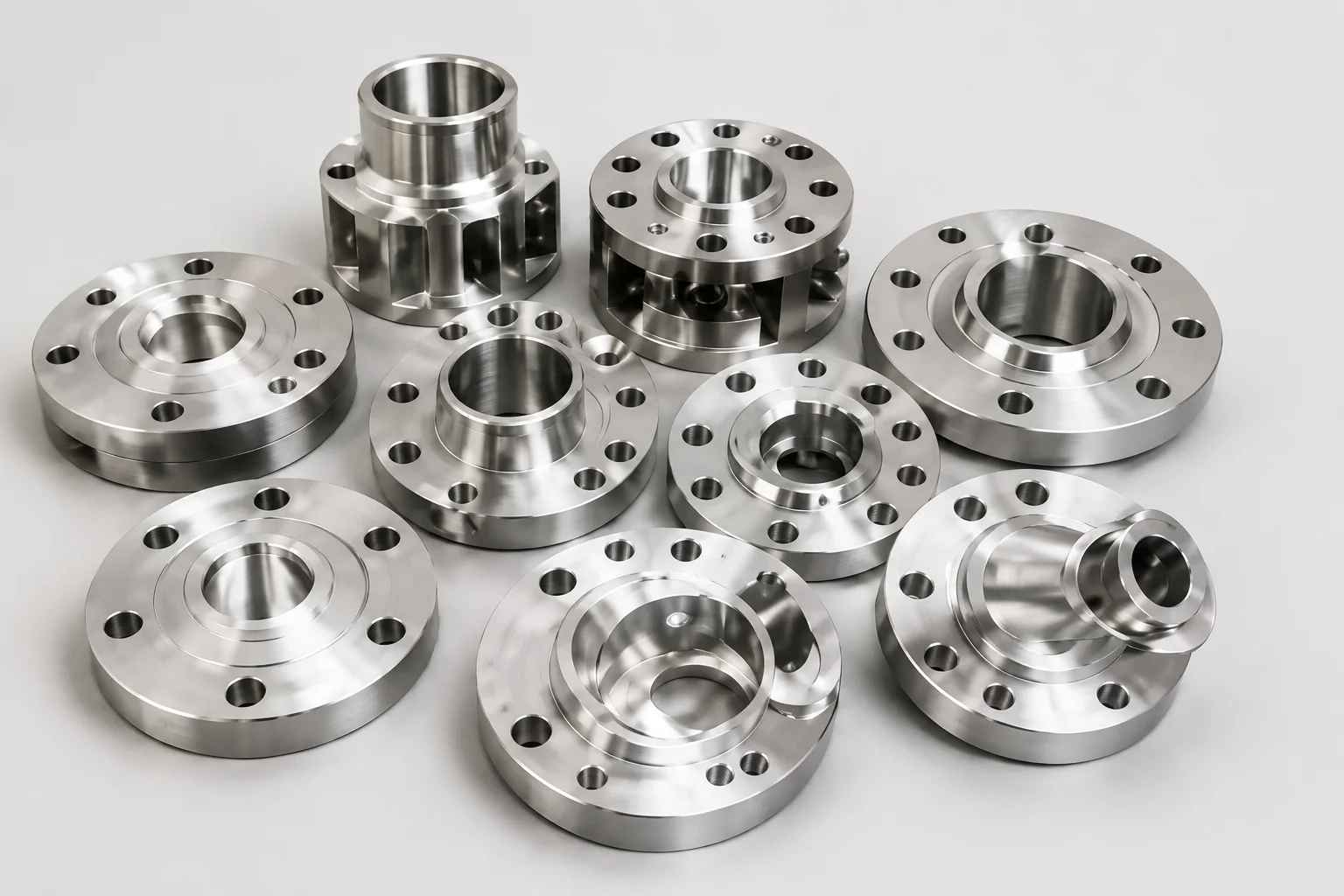
एउठा हुआ चेहरा निकला हुआ किनाराप्रक्रिया संयंत्र अनुप्रयोगों और भारी औद्योगिक सुविधाओं में उपयोग किया जाने वाला अब तक का सबसे आम निकला हुआ किनारा प्रकार है। जैसा कि नाम से पता चलता है, सीलिंग सतह जहां गैस्केट बैठता है, बोल्टिंग सर्कल से थोड़ा ऊपर उठाया जाता है। मानक क्लास 150 और क्लास 300 फ्लैंज के लिए, यह उठा हुआ होंठ आमतौर पर 1/16 इंच का होता है। उच्च दबाव वाली कक्षाओं (कक्षा 400 और ऊपर) के लिए, उठा हुआ चेहरा आमतौर पर एक इंच का 1/4 होता है।
इस उभरे हुए होंठ के पीछे प्राथमिक इंजीनियरिंग उद्देश्य बोल्ट के क्लैंपिंग बल को एक छोटे सतह क्षेत्र पर केंद्रित करना है।
- दबाव प्रबंधन:चूँकि यांत्रिक बोल्ट भार छोटे पदचिह्न पर केंद्रित होता हैउभरे हुए चेहरे के फ्लैंग्स के लिए दबाव रेटिंगकाफ़ी अधिक हैं. उन्हें अत्यधिक दबाव और उच्च तापमान का सामना करने के लिए डिज़ाइन किया गया है, जो उन्हें स्टील और स्टेनलेस स्टील पाइपिंग के लिए पसंदीदा विकल्प बनाता है।
- सतह की बनावट:गैस्केट पर पकड़ को और बढ़ाने के लिए, निर्माता एक लागू करते हैंउभरे हुए चेहरे के फ्लैंज पर दाँतेदार फिनिश. यह एक संकेंद्रित अंडाकार पैटर्न या एक सतत सर्पिल (अक्सर फोनोग्राफ़िक फ़िनिश कहा जाता है) हो सकता है। उच्च दबाव में विस्फोट को रोकने के लिए ये छोटे खांचे गैसकेट सामग्री को काटते हैं।
- सतह का खुरदरापन:इन भागों को निर्दिष्ट करते समय, इंजीनियरों को बारीकी से ध्यान देना चाहिएनिकला हुआ किनारा सतह खत्म आवश्यकताओं का सामना करना पड़ रहा है. इस पर निर्भर करते हुए कि आप अर्ध-धात्विक, सर्पिल-घाव, या नरम गैर-धातु गैसकेट का उपयोग कर रहे हैं, सूक्ष्म सील सुनिश्चित करने के लिए सतह खुरदरापन (माइक्रोइंच रा में मापा गया) गैसकेट प्रकार से पूरी तरह मेल खाना चाहिए।

फ्लैट फेस (एफएफ) फ्लैंज क्या है?
इसके बिल्कुल विपरीत, एक फ्लैट फेस फ्लैंज में एक सीलिंग सतह होती है जो बोल्टिंग सर्कल के साथ पूरी तरह से फ्लश होती है। जब दो फ्लैट फेस फ्लैंज को एक साथ बोल्ट किया जाता है, तो उनकी पूरी धातु की सतह एक दूसरे के खिलाफ सपाट रहती है।
इसलिए,भंगुर सामग्रियों के लिए फ्लैट फेस फ्लैंज का उपयोग क्यों किया जाता है?? इसका उत्तर तनाव वितरण में निहित है।
जब आप एक सपाट चेहरे वाले फ्लैंज पर बोल्ट कसते हैं, तो यांत्रिक भार केंद्र में केंद्रित होने के बजाय फ्लैंज के पूरे चेहरे पर समान रूप से फैल जाता है। यह समान वितरण ही कुंजी हैकच्चा लोहा कनेक्शन में फ्लैंज को टूटने से रोकना, फाइबरग्लास, पीवीसी, और सीपीवीसी पाइपिंग सिस्टम। धुरी बिंदु के रूप में उभरे हुए होंठ के बिना, निकला हुआ किनारा शरीर पर कोई झुकने वाला क्षण लागू नहीं होता है, जिससे नाजुक या भंगुर सामग्री टोक़ के तहत टूटने से सुरक्षित रहती है।
मुख्य अंतर: दबाव वितरण और गास्केट
इन घटकों को पूरी तरह से समझने के लिए, हमें इन पर गौर करना चाहिएआरएफ और एफएफ निकला हुआ किनारा गास्केट के बीच अंतरऔर फ्लैंज तनाव को कैसे संभालते हैं।
1. सतही दबाव वितरण को सील करना
निकला हुआ किनारा का संरचनात्मक डिजाइन सीधे प्रभावित करता हैसीलिंग सतह दबाव वितरण. एक उठा हुआ चेहरा एक छोटी आंतरिक रिंग पर दबाव को अधिकतम करता है, जो उच्च दबाव वाले तरल पदार्थ को रखने के लिए गैसकेट को बलपूर्वक कुचल देता है। एक सपाट सतह बोल्ट के भार को बहुत बड़े क्षेत्र में फैलाती है, जिसके परिणामस्वरूप कम दबाव वितरण होता है जो सील बनाने के लिए नरम गैसकेट के व्यापक सतह क्षेत्र पर निर्भर करता है।
2. गैस्केट चयन
तनाव वितरण में यह अंतर सीधे तौर पर निर्देशित करता हैफुल फेस गैस्केट बनाम रिंग गैस्केट अनुप्रयोग:
- रिंग गास्केट (आईबीसी):उभरे हुए फेस फ्लैंग्स के लिए इनर बोल्ट सर्कल (IBC) रिंग गैसकेट की आवश्यकता होती है। यह गैसकेट पूरी तरह से बोल्ट के घेरे के अंदर, उभरे हुए होंठ पर बैठता है।
- फुल फेस गास्केट:फ्लैट फेस फ्लैंज के लिए फुल फेस गैस्केट की आवश्यकता होती है। यह गैस्केट फ्लैंज की पूरी सपाट सतह को कवर करता है और इसमें छेद किए जाते हैं ताकि बोल्ट सीधे गैस्केट सामग्री से गुजर सकें।

फ्लैट फेस फ्लैंज बनाम उभरे हुए चेहरे का उपयोग कब करें
निर्धारणफ्लैट फेस फ्लैंज बनाम उभरे हुए फेस फ्लैंज का उपयोग कब करेंयह आपके पाइपिंग सिस्टम की सामग्री, आप जिस उपकरण से कनेक्ट कर रहे हैं, और आपके परिचालन दबाव की मांग पर निर्भर करता है।
उभरे हुए चेहरे के फ्लैंज का उपयोग करें जब:
- आप कार्बन स्टील, स्टेनलेस स्टील, या उच्च-मिश्र धातु पाइपिंग के साथ काम कर रहे हैं।
- सिस्टम उच्च दबाव या उच्च तापमान पर संचालित होता है।
- आप धातु या सर्पिल-घाव गैसकेट का उपयोग कर रहे हैं।
फ़्लैट फेस फ्लैंज का उपयोग करें जब:
- आप कच्चा लोहा उपकरण (जैसे पुराने पंप, वाल्व, या जल उपचार बेसिन) पर बोल्ट लगा रहे हैं।
- आप प्लास्टिक (पीवीसी/सीपीवीसी) या फाइबरग्लास पाइपिंग के साथ काम कर रहे हैं।
- आप नेविगेट कर रहे हैंनमनीय लौह बनाम कच्चा लोहा निकला हुआ किनारा संगतता. जबकि लचीले लोहे में उच्च तन्यता ताकत होती है और कभी-कभी विशिष्ट परिस्थितियों में उभरे हुए चेहरे को संभाल सकता है, कमजोर धातु के टूटने के जोखिम को कम करने के लिए किसी भी कच्चे लोहे के घटक के साथ मिलते समय फ्लैट फेस फ्लैंग्स का उपयोग करना मानक उद्योग अभ्यास है।
एक उभरे हुए चेहरे को एक सपाट चेहरे वाले फ्लैंज से मिलाने का खतरा
क्षेत्र में की जाने वाली एक सामान्य, खतरनाक गलती हैएक उभरे हुए चेहरे को एक सपाट चेहरे वाले फ्लैंज से मिलाना.
यदि आप स्टील के उभरे हुए फेस फ्लैंज को कास्ट आयरन के फ्लैट फेस पंप नोजल से बोल्ट करते हैं, तो उठा हुआ लिप दो फ्लैंजों के बाहरी किनारों के बीच एक गैप बनाता है। जैसे ही आप बोल्ट कसते हैं, उठा हुआ चेहरा आधार के रूप में कार्य करता है। भंगुर कच्चा लोहा निकला हुआ किनारा के बाहरी किनारों को इस अंतराल में पीछे की ओर खींचा जाता है, जिससे बड़े पैमाने पर झुकने वाला तनाव पैदा होता है। लगभग सभी मामलों में, यह कच्चे लोहे के फ्लैंज को तोड़ देगा और उपकरण को नष्ट कर देगा।
यदि आपको आरएफ पाइपिंग सिस्टम को एफएफ उपकरण से जोड़ना ही है, तो सबसे सुरक्षित तरीका आरएफ फ्लैंज से उभरे हुए होंठ को भौतिक रूप से मशीन में बदलना है, इसे एक सपाट चेहरे में परिवर्तित करना है।
इसके अलावा, हमेशा इसका सख्ती से पालन करेंफ्लैट फेस कनेक्शन के लिए बोल्टिंग टॉर्क आवश्यकताएँ. क्योंकि इन फ्लैंजों का उपयोग नरम गास्केट और भंगुर सामग्री के साथ किया जाता है, असमान पैटर्न में बोल्ट को अधिक जोर से दबाना लीक और टूटे हुए फ्लैंज का एक प्रमुख कारण है। हमेशा एक कैलिब्रेटेड टॉर्क रिंच और एक क्रिसक्रॉस कसने वाले क्रम का उपयोग करें।

अंतिम विचार
उभरे हुए चेहरे और सपाट चेहरे के बीच का निर्णय कभी भी मनमाना नहीं होता है। यह आपके पाइपिंग की सामग्री, आपकी प्रक्रिया के दबाव और आपके द्वारा एकीकृत किए जा रहे उपकरणों के आधार पर एक परिकलित इंजीनियरिंग विकल्प है। भंगुर सामग्रियों की यांत्रिक सीमाओं का सम्मान करके, सही गैसकेट शैलियों का उपयोग करके और एएसएमई मानकों का सख्ती से पालन करके, आप एक सुरक्षित, टिकाऊ और रिसाव-मुक्त पाइपिंग प्रणाली की गारंटी दे सकते हैं।
अगले कदम
क्या आपको अपने प्रोजेक्ट के लिए फ्लैंज चुनने में मदद चाहिए? अपना आकार, दबाव वर्ग, सामग्री और सामना करने वाली आवश्यकताओं को साझा करें - हमारी टीम एक मिलान समाधान की सिफारिश कर सकती है।
एक उद्धरण का अनुरोध करें