Overzicht
Schuifafsluiters kunnen worden geleverd met stomplas-, flens-, schroefdraad-, moflas- of andere goedgekeurde eindaansluitingen. De uitdrukking "stomplasvormige schuifflens" is dubbelzinnig omdat een schuifafsluiter normaal gesproken wordt beschreven met stomplasuiteinden of flensuiteinden, en niet beide als één eindtype. De offerteaanvraag moet de klepstandaard, drukklasse, boring, lichaamsmateriaal, trim, werking en exacte eindaansluiting identificeren.
De eindselectie heeft invloed op installatie, onderhoud, lekpaden, face-to-face afmetingen, lassen, testen en vervangingsstrategie.
Waarom het belangrijk is voor pijpcomponenten
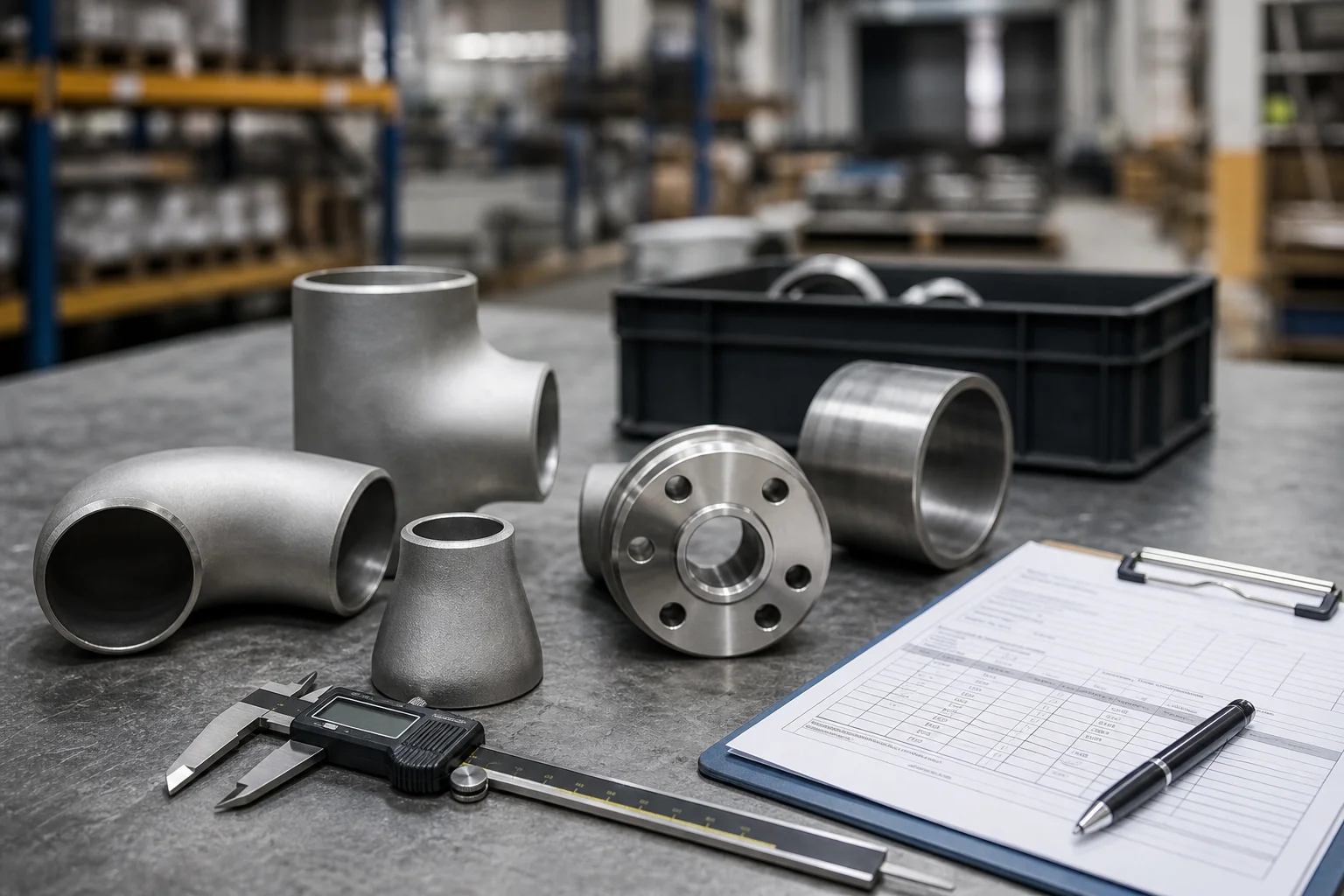
Stomplasuiteinden verminderen het aantal boutverbindingen, maar vereisen gekwalificeerd laswerk, montage, warmtebehandeling waar van toepassing, en veldonderzoek. Geflensde uiteinden maken verwijdering mogelijk, maar voegen pakking- en boutinterfaces toe. Draadeinden zijn compact, maar hebben beperkingen op het gebied van afmetingen, service en lekkage.
Een eindverbinding die overeenkomt met de nominale maat kan nog steeds het verkeerde schema, afschuining, klasse, bekleding, boring of schroefdraad hebben. De nominale waarde en eindwaarde van het kleplichaam moeten compatibel zijn met het leidingontwerp.
De oriëntatie van de klep, de toegang tot de actuator, de ontlasting van de lichaamsholte, de locaties van afvoer- en ventilatieopeningen en de laswarmte-effecten moeten vóór installatie worden beoordeeld.
Methoden, parameters of proces
Selecteer het klepuiteinde als onderdeel van de volledige klep- en onderhoudsfilosofie.
| Eindtype | Belangrijkste voordeel | Hoofdbediening |
|---|---|---|
| Stomplas | Permanente verbinding met minder externe lekinterfaces | Boring/schema, afschuining, WPS, BDE, PWHT |
| Geflensd | Verwijderbaar voor onderhoud | Standaard, klasse, bekleding, pakking, bouten |
| Met schroefdraad | Compact en geen veldlassen | Schroefdraadsysteem, maat, afdichtmiddel, servicelimieten |
| Socket-las | Gelaste verbinding met kleine boring | Socket fit-up, hoeklas, spleet |
| Speciaal/eigendom | Apparatuurspecifieke interface | Goedgekeurde teken- en vervangingsstrategie |
Leveranciers- en inspectiechecklist
- Vermeld de klepnorm, het type, de maat, de klasse, het lichaamsmateriaal, de trim en de werking.
- Noem de exacte eindverbinding aan elke kant.
- Voor BW-uiteinden specificeert u de buitendiameter van de buis, de wand, de boring en de afschuining.
- Voor geflensde uiteinden specificeert u standaard-, tegenoverliggende en passende details.
- Bij draadeinden de exacte schroefdraadaanduiding en afdichtingsmethode vermelden.
- Controleer de face-to-face- of end-to-end-afmetingen van de klep.
- Bescherm stoelen en interne onderdelen tijdens veldlassen.
- Definieer druktests, lekklasse, BDE en documenten.
- Bevestig de onderhouds- en verwijderingsruimte.
Toepassing op pijpfittingen, kleppen en flenzen
Butt-weld schuifafsluiters worden gebruikt waar lasintegriteit en een verminderd aantal flenzen belangrijk zijn. Geflensde schuifafsluiters zijn gebruikelijk waar onderhoudsverwijdering wordt verwacht. Schuifafsluiters met schroefdraad worden over het algemeen gebruikt in kleinere, geschikte toepassingen.
Verloopstukken, pupstukken, overgangsflenzen en begeleidende flenzen moeten worden ontworpen in plaats van geïmproviseerd om afwijkende klepuiteinden op de lijn te laten passen.
Veelgestelde vragen
Wat betekent stompgelaste poortflens?
Het is een onduidelijke formulering. Bevestig of de klant een stomplasafsluiter of een geflensde schuifafsluiter nodig heeft.
Welk uiteinde heeft minder lekpaden?
Een stomplasuiteinde verwijdert een geboute flensverbinding, maar de laskwaliteit en de integriteit van het kleplichaam vereisen nog steeds controle.
Kan een flensafsluiter worden omgezet in stuiklassen?
Niet door eenvoudige veldwijziging. Gebruik een speciaal ontworpen klep of een goedgekeurde overgang.
Heeft een stomplasafsluiter een leidingschema nodig?
Ja. De boring en het lasuiteinde moeten passen bij de aangesloten leiding of bij een goedgekeurde overgang.
Welk uiteinde is het gemakkelijkst te onderhouden?
Geflensde uiteinden vereenvoudigen vaak de verwijdering, maar ruimte, gewicht, boutconditie en procesisolatie zijn nog steeds van belang.
Volgende stappen
Vraag de klant om dubbelzinnige bewoordingen te vervangen door een volledig klepgegevensblad. Bevestig eindtype, maat, klasse, boring, materiaal, trim, werking, tests en aangesloten leiding.
Vraag een offerte aan