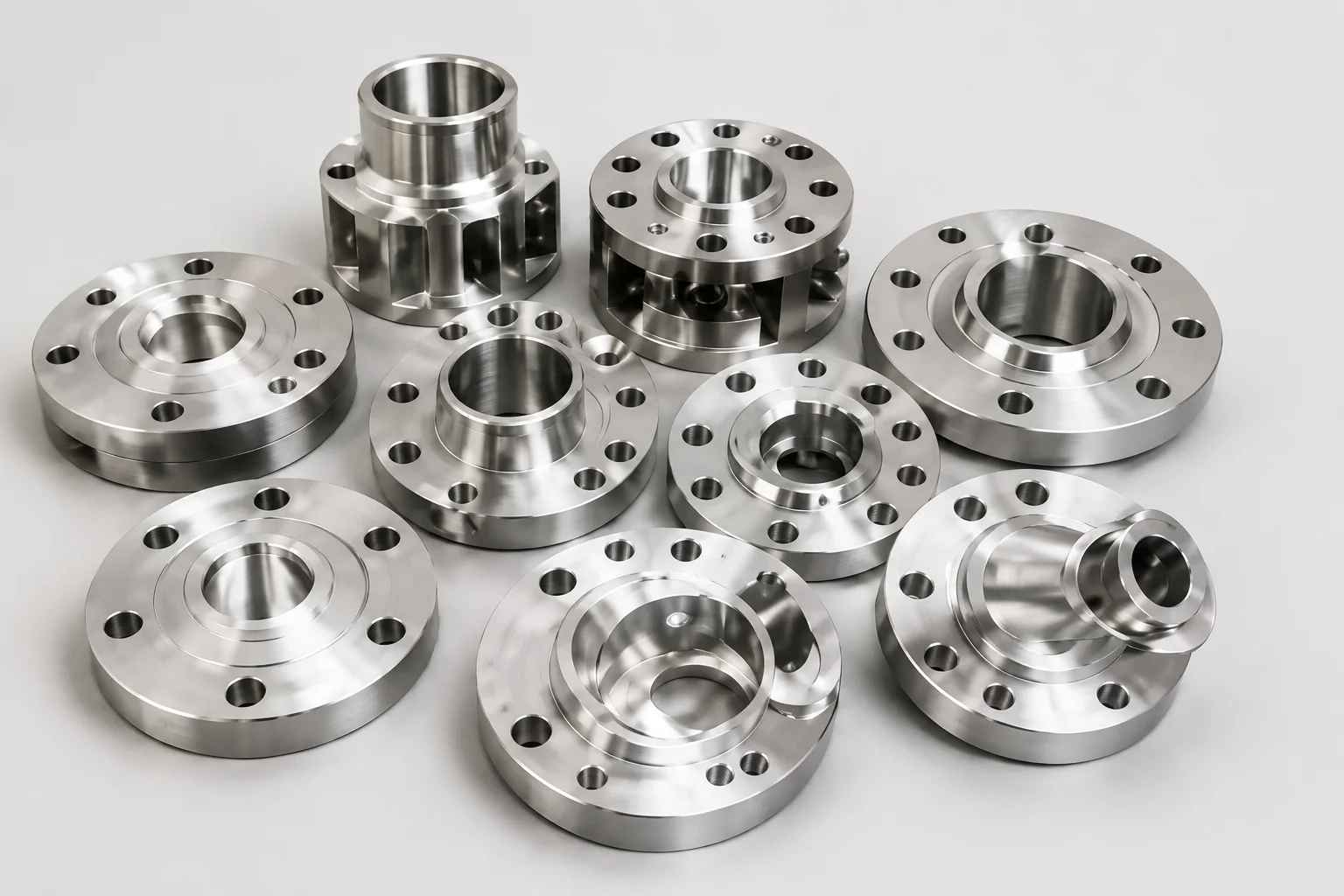
Panoramica
Una tabella dei bulloni della flangia collega uno standard specifico della flangia, una dimensione nominale, una classe di pressione e una serie al numero di bulloni o prigionieri, diametro nominale, diametro del foro del bullone e diametro della circonferenza del bullone. Alcuni grafici stimano anche la lunghezza dei perni. Uno schema è valido solo quando lo standard, l'edizione, il sistema di unità, il rivestimento e la disposizione dei giunti corrispondono alla connessione effettiva.
Non esiste una tabella dei bulloni flangia-flangia universale sicura. ASME B16.5, ASME B16.47, EN, DIN, JIS, API, AWWA e le flange specifiche del progetto utilizzano sistemi dimensionali diversi. Cambiando classe o serie si può cambiare il disegno anche a parità di misura nominale.
Perché è importante per i componenti delle tubazioni
Un serraggio errato può impedire il montaggio, ridurre l'innesto del dado, danneggiare la guarnizione o creare sollecitazioni irregolari sulla guarnizione. Un perno che passa attraverso il foro non è automaticamente corretto. Diametro, materiale, serie di filettatura, lunghezza, qualità del dado, rondelle, rivestimento e procedura di serraggio sono tutti fattori importanti.
La lunghezza del perno dipende da entrambe le parti collegate, dallo spessore della guarnizione, dai dadi, dalle rondelle, dai kit di isolamento, dagli spazi vuoti delle linee e dalla proiezione della filettatura richiesta. Una tabella per due flange rialzate potrebbe non essere applicabile a una flangia collegata a un corpo valvola o a un giunto contenente un kit di isolamento.
La coppia dei bulloni è un argomento di ingegneria separato. Una tabella dimensionale non fornisce una coppia di installazione universale. La coppia o la tensione dipendono dalla guarnizione, dal lubrificante, dal materiale dei bulloni, dalla sollecitazione target, dalle condizioni della flangia e dalla procedura di assemblaggio approvata.
Metodi, parametri o processo
Leggi o costruisci una tabella dei bulloni della flangia nel seguente ordine. Non iniziare solo dal diametro del bullone.
| Campo grafico | Cosa controlla | Errore comune |
|---|---|---|
| Norma ed edizione | Definisce la tabella dimensionale | Combinazione di dati ASME, EN, API o vecchi progetti |
| NPS o DN | Seleziona la dimensione nominale della connessione | Utilizzando il diametro esterno misurato come dimensione nominale |
| Classe o PN | Seleziona il rating e lo schema di perforazione | Trattare la Classe 150 e PN16 come intercambiabili |
| Serie | Distingue i modelli di grande diametro ove applicabile | Omettere la serie A o la serie B |
| Numero e diametro del foro | Definisce la foratura e la bullonatura nominale | Confondere il diametro del foro con il diametro del bullone |
| Diametro del cerchio dei bulloni | Individua i fori attorno alla flangia | Utilizzando un'altra classe o serie |
| Lunghezza perno | Fornisce la lunghezza dell'assieme per lo stack esatto | Ignorando guarnizione, rondelle, spessore della valvola o elemento cieco |
Lista di controllo dei fornitori e delle ispezioni
- Identificare standard, edizione, dimensione, classe o PN, tipo di flangia e serie.
- Controllare entrambi i componenti accoppiati, compresi i corpi valvola e gli ugelli dell'attrezzatura.
- Verificare il numero di fori, il diametro nominale dei bulloni, il diametro del foro e il cerchio dei bulloni.
- Confermare i perni rispetto ai bulloni della macchina, alle rondelle, ai manicotti isolanti e ai rivestimenti.
- Specificare i materiali dei bulloni e dei dadi separatamente dal materiale della flangia.
- Calcolare la lunghezza del perno dalla pila completa di giunti.
- Confermare l'impegno del filo e la proiezione richiesta.
- Utilizzare una procedura di serraggio controllata con lubrificante e guarnizione approvati.
- Mantenere la selezione dimensionale separata dall'ingegneria della coppia o della tensione dei bulloni.
- Contrassegna ogni grafico con la sua fonte, edizione, unità e limitazioni.
Applicazione a raccordi per tubi, valvole e flange
Le flange a collo saldato, slip-on, filettate, a saldare, a sovrapposizione e cieche dello stesso standard, dimensione e classe normalmente condividono uno schema di foratura, ma i loro spessori e mozzi differiscono. L'effettivo stack dei giunti controlla ancora la lunghezza dei perni.
Flange cieche, tendine per occhiali, distanziatori e piastre grezze possono aggiungere peso o spessore e potrebbero richiedere perni più lunghi. I corpi valvola possono limitare l'accesso della chiave anche quando la foratura corrisponde allo standard della flangia.
Il team di installazione deve verificare che dadi e strumenti liberino il corpo della valvola, l'attuatore, l'isolamento, i supporti dei tubi e le apparecchiature vicine.
Domande frequenti
È possibile utilizzare una tabella dei bulloni di Classe 150 per ogni standard?
No. Altri sistemi di flangia possono utilizzare forature e dimensioni diverse anche quando la valutazione del servizio sembra simile.
Il diametro del foro del bullone è uguale al diametro del bullone?
No. Il foro passante è più grande del diametro nominale del bullone o del perno.
Come viene selezionata la lunghezza del perno?
Aggiungere lo spessore effettivo delle parti collegate, guarnizioni o inserti, dadi, rondelle e sporgenza richiesta, quindi applicare il metodo di arrotondamento del progetto.
Una tabella dei bulloni fornisce la coppia di serraggio?
Normalmente no. La coppia dipende dal progetto completo del giunto e dalla procedura di assemblaggio approvata.
Le flange PN16 e Classe 150 possono essere imbullonate insieme?
Non dare per scontato la compatibilità. Confronta tutte le dimensioni, i rivestimenti, le valutazioni, i materiali e ottieni l'approvazione del progetto.
Passaggi successivi
Utilizzare lo standard della flangia di progetto o una tabella dimensionale autorizzata. Fornire la pila completa di giunti in modo che il fornitore possa verificare il materiale, il diametro, la quantità e la lunghezza dei bulloni.
Richiedi un preventivo