Обзор
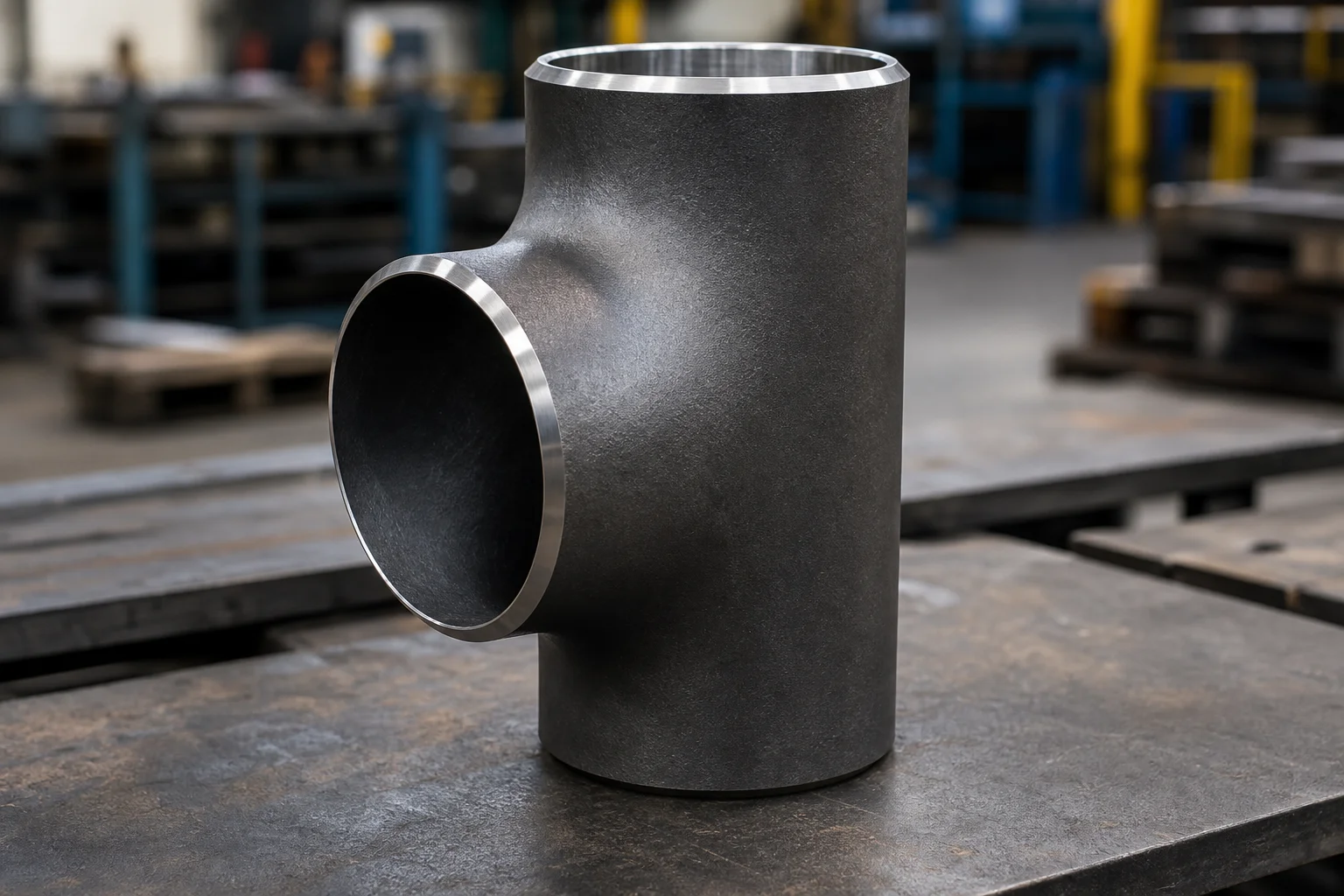
Боковой тройник создает ответвление под углом, обычно 45 градусов, вместо ответвления под углом 90 градусов, используемого в обычном тройнике. Его выбирают, когда расположение трубопровода, направление потока, требования к дренажу или ограничение пространства благоприятствуют расположению ответвления под углом. Боковые тройники могут быть равными или переходными и могут изготавливаться в виде кованых фитингов, кованых фитингов или сборных ответвлений в зависимости от размера, давления, материала и спецификаций проекта.
В отличие от стандартных колен и тройников, боковые фитинги не всегда имеют одну универсальную размерную таблицу, принятую для каждого применения. Покупатель должен предоставить чертеж или четко указать размерный стандарт, размер участка, размер ответвления, угол ответвления, размеры осевой линии, толщину стенок, материал и основу проектирования.
Почему это важно для компонентов труб
Боковая ветвь меняет как направление потока, так и распределение напряжений. По сравнению с квадратным тройником угловой вход может снизить резкость потока ответвлений в некоторых схемах, но это не устраняет необходимости расчета давления и проверки армирования. Область промежности является критически важной областью, поскольку формовка или изготовление создает локальную концентрацию напряжений.
Неопределенность размеров представляет собой самый большой риск при закупках. Два поставщика могут указать «боковой тройник 8 x 4», предполагая при этом разные общие длины, выступы ответвлений, толщину стенок или методы изготовления. Контролируемая вытяжка позволяет избежать несоответствующих катушек, недостаточного армирования и модификации на месте.
Для работы в условиях высокого давления, цикличности, работы в кислой среде, низкой или высокой температуре боковой фитинг следует оценивать как часть трубопроводной системы, а не как стандартный товар.
Методы, параметры или процесс
| Параметр | Необходимая информация |
|---|---|
| Размер запуска | NPS/DN и толщина стенки для обоих концов участка |
| Размер филиала | NPS/DN и толщина стенки |
| Угол ответвления | Обычно 45°, но укажите точный угол. |
| Геометрия | Размеры от центра до конца и от центра до ответвления |
| Материал | Спецификация, класс и дополнительные требования |
| Строительство | Кованые, кованые или сфабрикованные |
| Основа проектирования | Код трубопровода, расчетное давление, расчетная температура, допуск на коррозию |
| Завершение подготовки | Стыковая сварка с фаской, раструбная сварка, резьба или специальная |
| Инспекция | Визуальный, размерный, NDE, PMI, твердость, документы |
Обычные производственные маршруты включают штампованную конструкцию, обработку кованого материала для небольших фитингов высокого давления и квалифицированное изготовление из труб или пластин для больших размеров. Изготовленная боковая часть обычно требует утвержденных процедур сварки, квалифицированных сварщиков или операторов, картирования сварных швов и указанного неразрушающего контроля.
Армирование может происходить за счет цельной геометрии фитинга, увеличенной местной толщины, усиливающей подушки или конфигурации ответвления, соответствующей проекту. Правильное решение зависит от применимых норм трубопроводов и инженерных расчетов. Поставщик не должен заменять ответственность покупателя за проектирование необоснованным заявлением о том, что фитинг является «стандартным».
Контрольный список поставщиков и проверок
- Предоставьте утвержденный чертеж со всеми сквозными и осевыми размерами.
- Подтвердите, является ли боковая сторона равной или уменьшающейся.
- Укажите точный угол и ориентацию ветки.
- Определите графики запуска и ветвления отдельно.
- Определите применимые стандарты проектирования и размеров.
- Подтвердите минимальную необходимую толщину стенки после формования.
- Перед размещением заказа ознакомьтесь с предлагаемым маршрутом производства.
- Для сборных конструкций просмотрите WPS/PQR, квалификацию сварщика, карту сварных швов и план неразрушающего контроля.
- Проверьте угол ответвления, смещение осевой линии, прямоугольность концов и выравнивание отверстия.
- Измерьте толщину стенки вокруг промежности, шейки ветки и образованных участков.
- Осмотрите внутренний контур на предмет резких скачков, проникновения сварного шва и труднодоступных дефектов.
- Проверьте термообработку и твердость, если этого требуют материал или услуга.
- Обеспечьте отслеживание номера плавки для каждого компонента, используемого в производстве.
- Требуйте окончательных отчетов о размерах и проверках для критически важных для проекта элементов.
Применение для трубопроводной арматуры, клапанов и фланцев
Боковые тройники используются в коллекторах, коллекторах, дренажных системах, технологических ответвлениях и линиях, где отвод под углом 45 градусов улучшает прокладку. Они могут подключаться к переходникам, коленам, клапанам или узлам фланцевых ответвлений. Если клапан установлен непосредственно на ответвлении, выступ ответвления должен обеспечивать пространство для крепления болтами, изоляции, перемещения привода и обслуживания.
Боковой тройник также может повлиять на транспортировку катушки и монтаж площадки, поскольку ответвление проходит по диагонали. Опоры упаковки должны предотвращать деформацию и защищать фаски. В системах из нержавеющей стали следует контролировать контакт с упаковочными материалами из углеродистой стали, чтобы снизить риск загрязнения.
Часто задаваемые вопросы
Боковой тройник — это то же самое, что тройник под углом 45 градусов?
Эти термины иногда используются расплывчато, но требования к геометрии изделия и конструкции могут различаться в зависимости от отрасли. Самый безопасный подход — указать точный угол ответвления, размеры, торцевые соединения и конструкцию на чертеже.
Соответствует ли боковой тройник стандарту ASME B16.9?
В некоторых спецификациях проекта могут использоваться материалы, допуски или общие принципы установки ASME B16.9, но многие боковые конфигурации представляют собой специальные продукты без единой универсальной таблицы размеров B16.9. Подтвердите точный действующий стандарт и чертеж.
Можно ли изготовить боковой тройник путем сварки отрезков трубы?
Да, часто изготавливаются большие боковые отводы, но конструкция, армирование, процедуры сварки, термообработка и неразрушающий контроль должны соответствовать применимым нормам и требованиям проекта.
Какая информация чаще всего отсутствует в запросе предложения?
Наиболее распространенными недостающими элементами являются угол ответвления, размеры осевой линии, тип конструкции, толщина стенок пролетов и ответвлений, а также проектная основа для армирования.
Следующие шаги
Отправьте чертеж с размерами вместе с размером участка, размером ответвления, углом, материалом, графиками, расчетным давлением, температурой, количеством и требованиями к проверке. Nuoan может проверить технологичность и определить, подходит ли кованое, кованое или фабрично изготовленное решение.
Запросить цену