ภาพรวม
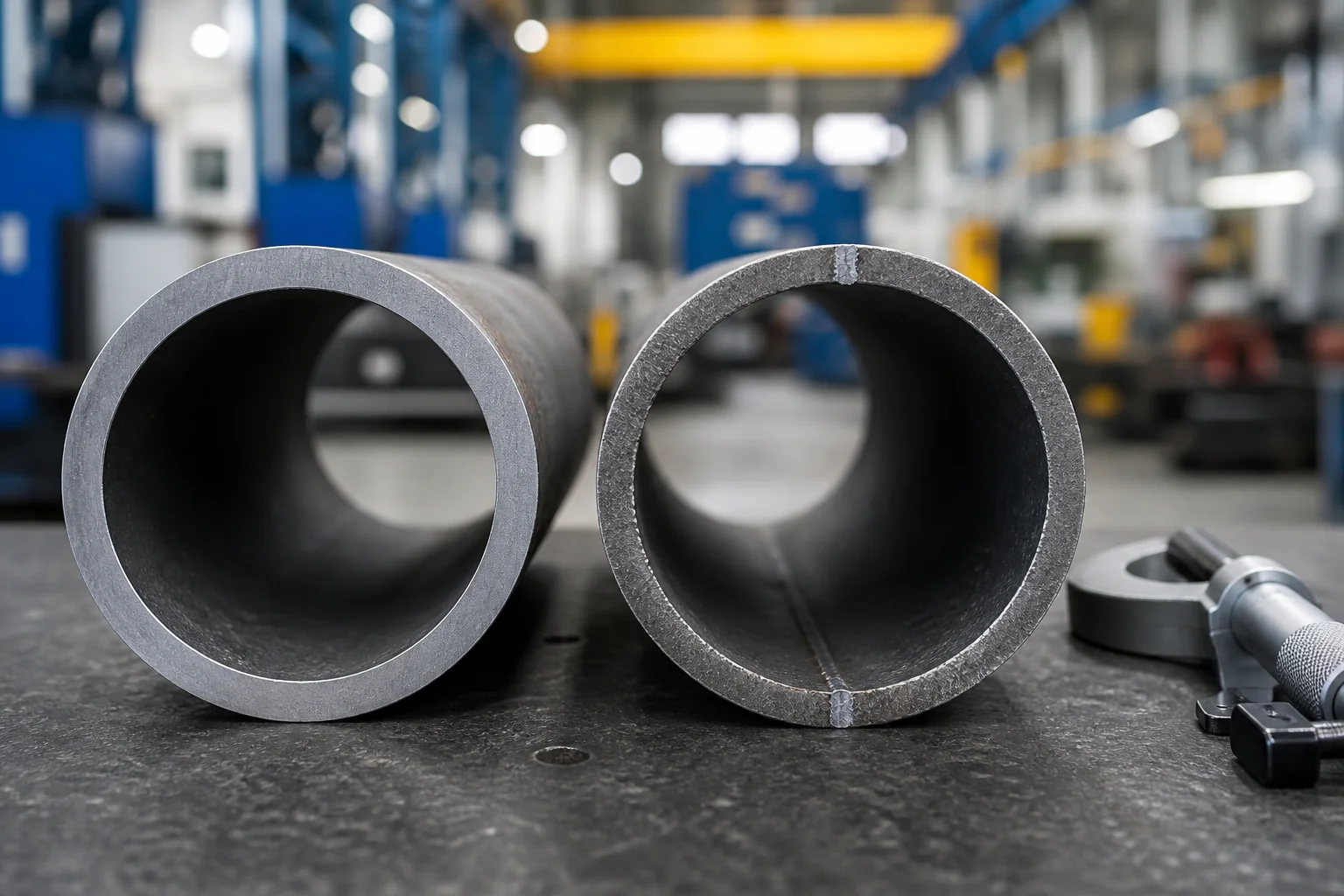
ท่อไร้รอยต่อผลิตขึ้นโดยไม่มีตะเข็บเชื่อมตามยาว ในขณะที่ท่อเชื่อมถูกสร้างขึ้นจากแถบ แผ่น หรือขดลวด และต่อเข้ากับตะเข็บโดยใช้กระบวนการเชื่อมที่มีคุณสมบัติเหมาะสม ไม่มีการก่อสร้างใดที่เหนือกว่าโดยอัตโนมัติสำหรับทุกบริการ ตัวเลือกที่ถูกต้องขึ้นอยู่กับข้อกำหนดของวัสดุ ขนาด ความหนาของผนัง ความดันและอุณหภูมิ กลไกการกัดกร่อน เส้นทางการผลิต ข้อกำหนดของรหัส ความพร้อมใช้งาน และต้นทุนโครงการทั้งหมด
ข้อมูลจำเพาะในการจัดซื้อควรระบุชื่อมาตรฐาน ASTM, ASME, API, EN หรือมาตรฐานวัสดุอื่นๆ อย่างถูกต้อง แทนที่จะระบุเพียงว่า "ต้องการแบบไร้รอยต่อ" ท่อเชื่อมสมัยใหม่สามารถให้ขนาดที่สม่ำเสมอและมีขนาดที่กว้างเมื่อผลิตและตรวจสอบตามข้อกำหนดที่เหมาะสม ท่อไร้รอยต่อยังคงเป็นที่ต้องการหรือเป็นที่ต้องการในการใช้งานที่มีอุณหภูมิสูง แรงดันสูง เส้นผ่านศูนย์กลางเล็ก หรือที่กำหนดด้วยรหัส
เหตุใดจึงมีความสำคัญสำหรับส่วนประกอบท่อ
โครงสร้างท่อส่งผลต่อข้อต่อ ส่วนโค้ง หน้าแปลน และวาล์วที่เชื่อมต่อกับท่อ เส้นผ่านศูนย์กลางภายนอก ความทนทานต่อผนัง รูปไข่ ตำแหน่งตะเข็บ ความแข็ง และการเตรียมส่วนปลายมีอิทธิพลต่อการเชื่อมและการผลิตแกนม้วน สำหรับการโค้งงอแบบเหนี่ยวนำหรือข้อต่อขึ้นรูป ท่อเริ่มต้นจะต้องมีเคมี ความเหนียว และค่าเผื่อผนังที่เหมาะสมด้วย
รอยเชื่อมในท่อเชื่อมเป็นคุณสมบัติการผลิตที่ได้รับการควบคุมซึ่งจะต้องเป็นไปตามข้อกำหนดที่เกี่ยวข้อง คุณภาพขึ้นอยู่กับการขึ้นรูป การเชื่อม การรักษาความร้อน NDE การควบคุมมิติ และการตรวจสอบย้อนกลับ ท่อไร้รอยต่อหลีกเลี่ยงตะเข็บตามยาว แต่ยังต้องมีการตรวจสอบข้อบกพร่องที่พื้นผิว การเคลือบ ผนังเยื้องศูนย์ และความหยุดชะงักของการผลิต
ความพร้อมใช้งานมักจะเป็นสิ่งที่ชี้ขาด โครงสร้างแบบเชื่อมสามารถประหยัดได้ในเส้นผ่านศูนย์กลางขนาดใหญ่ และอาจให้ความสม่ำเสมอของผนังที่แน่นกว่า ในขณะที่ผลิตภัณฑ์ที่ไร้รอยต่ออาจมีข้อจำกัดด้านขนาดและผนังหนัก ขึ้นอยู่กับเกรดและความสามารถของโรงสี
วิธีการ พารามิเตอร์ หรือกระบวนการ
| หัวข้อ | ท่อไร้รอยต่อ | ท่อเชื่อม |
|---|---|---|
| แบบฟอร์มเริ่มต้น | เหล็กแท่งแข็งหรือเปลือกกลวง | ม้วน แถบ หรือแผ่น |
| ตะเข็บยาว | ไม่มี | ปัจจุบัน |
| การผลิตทั่วไป | การเจาะ การรีด การปรับขนาด การอบชุบด้วยความร้อน | การขึ้นรูป การเชื่อมตะเข็บ การรักษาความร้อน การปรับขนาด |
| ความพร้อมของขนาด | แข็งแกร่งในขนาดเล็กและขนาดกลาง ขึ้นอยู่กับโรงงาน | กว้าง โดยเฉพาะในเส้นผ่านศูนย์กลางขนาดใหญ่ |
| พฤติกรรมของกำแพง | ความเยื้องศูนย์กลางที่เป็นไปได้ | มักจะสม่ำเสมอจากแผ่นหรือขดลวด |
| เน้นการตรวจสอบ | พื้นผิว ผนัง ขนาด คุณสมบัติของวัสดุ | ความสมบูรณ์ของตะเข็บบวกกับวัสดุฐานและขนาด |
| ตัวขับเคลื่อนต้นทุน | เหล็กแท่ง, เจาะ, กลิ้ง, ผลผลิต | แผ่น/ม้วน การขึ้นรูป การเชื่อม NDE |
ประเภทรอยเชื่อมทั่วไป ได้แก่ ท่อเชื่อมต้านทานไฟฟ้าและท่อเชื่อมอาร์กที่จมอยู่ใต้น้ำ ควรระบุคำที่ถูกต้องเนื่องจากประเภทของตะเข็บ การอบชุบ และการตรวจสอบแตกต่างกัน
การคัดเลือกควรคำนึงถึง:
- การควบคุมโค้ดการออกแบบและคลาสบรรทัด
- ข้อกำหนดวัสดุและเกรด
- การออกแบบความดันและอุณหภูมิ
- ขนาดที่กำหนดและความหนาของผนังที่ต้องการ
- ค่าเผื่อการกัดกร่อนและการกัดเซาะที่คาดหวัง
- ความเป็นพิษของของไหล ความสามารถในการติดไฟ ไฮโดรเจน สารเปรี้ยว หรือการโหลดแบบไซคลิก
- การทดสอบ NDE และการทดสอบอุทกสถิตที่จำเป็น
- การดำเนินการขึ้นรูป เช่น การดัด การจับเจ่า หรือการขยาย
- ขั้นตอนการเชื่อมและการบำบัดความร้อนหลังการเชื่อม
- ความพร้อมของโรงงาน ปริมาณการสั่งซื้อขั้นต่ำ ระยะเวลาดำเนินการ และต้นทุนการติดตั้งทั้งหมด
รายการตรวจสอบซัพพลายเออร์และการตรวจสอบ
- ตรวจสอบข้อกำหนดวัสดุอย่างชัดเจนอนุญาตให้มีการก่อสร้างที่เสนอ
- ยืนยันรอยต่อ ERW, EFW, SAW หรือตะเข็บประเภทอื่น ๆ ในใบเสนอราคา
- ตรวจสอบองค์ประกอบทางเคมีและคุณสมบัติทางกลในใบรับรองวัสดุ
- ยืนยันการรักษาความร้อนและเงื่อนไขการจัดส่ง
- ตรวจสอบเส้นผ่านศูนย์กลางภายนอก ความหนาของผนัง ความยาว ความตรง และรูปไข่
- สำหรับท่อเชื่อม ให้ตรวจสอบตะเข็บ NDE และการบำบัดความร้อนจากการเชื่อมที่จำเป็น
- สำหรับท่อไร้ตะเข็บ ให้วัดความเยื้องศูนย์ของผนังที่ตำแหน่งตัวแทน
- ยืนยันการทดสอบอุทกสถิตหรือการทดสอบทางเลือกที่ได้รับอนุญาต
- ตรวจสอบสภาพพื้นผิวภายในและภายนอก
- ระบุการตกแต่งปลาย มุมเอียง การป้องกันฝาครอบ การเคลือบ และการมาร์ก
- ต้องมีการตรวจสอบเลขความร้อนตามความยาวหรือมัดตามความเหมาะสม
- ตรวจสอบความเข้ากันได้กับการดัดงอและการผลิตข้อต่อแบบดาวน์สตรีม
- สำหรับบริการที่สำคัญ ให้กำหนดการทดสอบเพิ่มเติมก่อนซื้อ ไม่ใช่หลังการส่งมอบ
การใช้งานกับข้อต่อท่อ วาล์ว และหน้าแปลน
ท่อไม่มีรอยต่อและท่อเชื่อมอาจเชื่อมต่อกับอุปกรณ์เชื่อมชนหากข้อกำหนดเฉพาะและระดับสายที่เกี่ยวข้องอนุญาต รูฟิตติ้งควรตรงกับผนังท่อ และข้อกำหนดการเปลี่ยนภายในควรได้รับการแก้ไขสำหรับการผสมผนังหนัก
สำหรับหน้าแปลนคอเชื่อม รูหรือกำหนดเวลาจะต้องเข้ากันได้กับท่อ วาล์วที่มีปลายเชื่อมแบบชนต้องมีขนาดปลายที่ตรงกันและความเข้ากันได้ของวัสดุ หากใช้ท่อเชื่อมสำหรับการดัดแบบเหนี่ยวนำ การวางแนวตะเข็บและขั้นตอนการดัดงออาจถูกควบคุมโดยข้อกำหนดการผลิตและข้อกำหนดของโครงการ
คำถามที่พบบ่อย
ท่อไร้ตะเข็บแข็งแรงกว่าท่อเชื่อมหรือไม่?
ไม่จำเป็นจะต้องเป็นแบบที่สามารถสรุปได้ทั่วไป ความแข็งแรงขึ้นอยู่กับเกรด ความหนาของผนัง ข้อกำหนดการผลิต การอบชุบ และกฎการออกแบบ การไม่มีตะเข็บเป็นเพียงปัจจัยหนึ่งเท่านั้น
ท่อเชื่อมเหมาะกับแรงดันสูงหรือไม่?
ท่อเชื่อมสามารถใช้งานได้เมื่อข้อกำหนดเฉพาะของวัสดุ รหัสการออกแบบ ปัจจัยด้านคุณภาพร่วม การตรวจสอบ สภาวะความดัน-อุณหภูมิ และข้อกำหนดของโครงการอนุญาต
เหตุใดจึงมักระบุท่อไร้รอยต่อสำหรับบริการโลหะผสมที่มีอุณหภูมิสูง?
ข้อกำหนดเฉพาะของท่อโลหะผสมอุณหภูมิสูงหลายรายการ รวมถึง ASTM A335/A335M เป็นตัวกำหนดโครงสร้างที่ไร้รอยต่อ มีการเลือกข้อกำหนดด้านวัสดุและการผลิตสำหรับบริการที่ต้องการ
ประเภทใดดีกว่าสำหรับเส้นผ่านศูนย์กลางขนาดใหญ่?
ท่อเชื่อมมักจะมีจำหน่ายมากกว่าและประหยัดสำหรับเส้นผ่านศูนย์กลางขนาดใหญ่ แต่การเลือกขั้นสุดท้ายขึ้นอยู่กับข้อกำหนดของโครงการ เกรด ความหนาของผนัง การบริการ และความสามารถของโรงสี
ขั้นตอนต่อไป
ระบุมาตรฐานท่อ เกรด ขนาด ความหนาของผนัง ความยาว การก่อสร้าง ปริมาณ ผิวขั้นสุดท้าย การทดสอบ และข้อกำหนดใบรับรอง ในกรณีที่ยอมรับการก่อสร้างแบบไร้ตะเข็บหรือแบบเชื่อมได้ ให้ขอตัวเลือกทางเทคนิคและเชิงพาณิชย์แยกต่างหาก
ขอใบเสนอราคา