Tổng quan
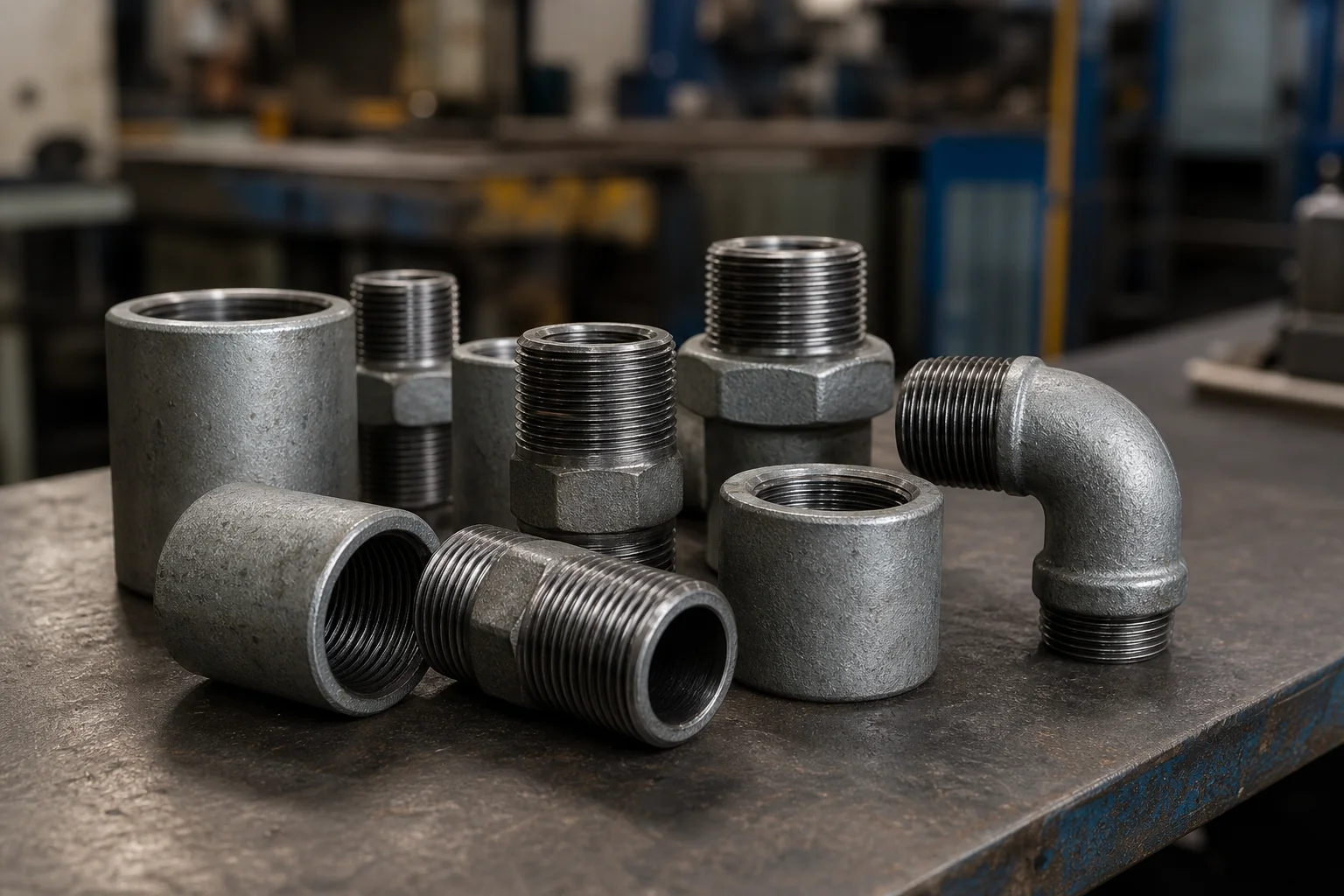
Ren ống là ren kết nối được sử dụng trên các phụ kiện, van, dụng cụ, núm vú và phụ kiện đường ống. Các họ phổ biến bao gồm NPT, các biến thể dryseal, BSPT, BSPP và các dạng khác của quốc gia hoặc nhà sản xuất cụ thể. Chỉ kích thước danh nghĩa không xác định được chủ đề. Lựa chọn chính xác yêu cầu tiêu chuẩn ren, dạng bên trong hoặc bên ngoài, hình dạng côn hoặc song song, bước, phương pháp bịt kín và dịch vụ được phép.
Việc kiểm tra phải trả lời hai câu hỏi: ren có phù hợp về kích thước theo yêu cầu không và liệu mối nối có được bịt kín hoàn toàn theo cơ chế đã định không? Một luồng có thể vượt qua quá trình kiểm tra trực quan nhanh chóng nhưng vẫn không tương thích với phần giao phối.
Tại sao nó quan trọng đối với các thành phần đường ống
Chỉ không khớp có thể làm hỏng các vòng đầu tiên, tạo ra sự ăn khớp nông, tạo ra độ kín giả hoặc rò rỉ sau chu kỳ áp suất và nhiệt độ. NPT và BSP có thể trông giống nhau ở kích thước nhỏ nhưng khác nhau về cấu hình và kích thước. Tham gia cùng họ vì họ gần như phù hợp không phải là kỹ thuật được kiểm soát.
Các mối nối ren cũng sử dụng các phương pháp bịt kín khác nhau. Các ren côn có thể bịt kín khi bị cản trở bằng chất bịt kín đã được phê duyệt. Các ren song song thường cần một miếng đệm, vòng đệm, vòng chữ O hoặc mặt tựa. Các kết nối loe, nén và bịt mặt không được coi là các ren ống thông thường.
Đơn đặt hàng phải nêu rõ tên gọi chính xác thay vì các thuật ngữ không chính thức như ren khí, ren Anh, ren ống cái hoặc ren nửa inch mà không cần làm rõ.
Phương pháp, thông số hoặc quy trình
Kiểm tra thực tế kết hợp xem xét tài liệu, nhận dạng, kiểm tra trực quan, đồng hồ đo và đo lường có kiểm soát.
| Mục kiểm tra | Xác định điều gì | Kiểm soát phù hợp |
|---|---|---|
| Họ chủ đề | NPT, BSPT, BSPP, dryseal hoặc dạng khác | Bản vẽ, PO, đánh dấu, bản gốc đã được phê duyệt |
| Côn hoặc song song | Đường kính có thay đổi dọc theo trục hay không | Máy đo độ côn hoặc phương pháp tiêu chuẩn cụ thể |
| Sân hoặc TPI | Khoảng cách trục của đỉnh | Máy đo cao độ hoặc đo quang học |
| Hồ sơ | Bao gồm hình học góc và đỉnh/gốc | Bộ so sánh hoặc máy đo hiệu chuẩn |
| Kích thước chức năng | Phù hợp trong giới hạn tiêu chuẩn | Đúng GO/NOT GO, vòng, phích cắm hoặc thước đo tham chiếu |
| Tình trạng bề mặt | Burrs, vết rách, tiếng kêu, vết lõm, lớp phủ tích tụ | Kiểm tra trực quan dưới ánh sáng đầy đủ |
| Phương pháp niêm phong | Ren, miếng đệm, vòng chữ O, vòng đệm hoặc chỗ ngồi | Bản vẽ và đặc điểm kỹ thuật lắp ráp |
Danh sách kiểm tra nhà cung cấp và kiểm tra
- Viết ký hiệu luồng hoàn chỉnh trên RFQ và bản vẽ.
- Nêu rõ hình thức bên trong hoặc bên ngoài và bất kỳ yêu cầu bên trái nào.
- Xác nhận kích thước danh nghĩa, bước cao độ, dạng côn hoặc dạng song song và tiêu chuẩn.
- Sử dụng đồng hồ đo đã hiệu chỉnh phù hợp với họ ren chính xác.
- Kiểm tra độ mòn của máy đo, độ sạch, nhiệt độ và kỹ thuật vận hành.
- Kiểm tra điểm bắt đầu ren, vệt, ren không hoàn chỉnh, tiếng kêu và sự tích tụ lớp mạ.
- Bảo vệ các sợi gia công sau khi kiểm tra lần cuối.
- Xác định chất bịt kín hoặc phần tử bịt kín riêng biệt với tiêu chuẩn ren.
- Không sử dụng lắp ráp cưỡng bức làm bằng chứng về khả năng tương thích.
- Ghi lại sự không phù hợp thực tế thay vì chỉ ghi “quá chặt” hoặc “quá lỏng”.
Ứng dụng cho phụ kiện đường ống, van và mặt bích
Các phụ kiện ren rèn sử dụng tiêu chuẩn sản phẩm về kích thước, xếp hạng, nhãn hiệu và vật liệu, trong khi dạng ren có thể được tham chiếu đến một tiêu chuẩn riêng. Cả hai đều quan trọng. Một khớp nối có thể có ren đúng nhưng sai loại hoặc kích thước từ giữa đến cuối.
Mặt bích có ren cũng yêu cầu kiểm tra bề mặt, lỗ khoan, lỗ khoan và lớp. Van dụng cụ có thể kết hợp các đầu NPT, BSPP, BSPT, số liệu, nén hoặc độc quyền trong một cụm, do đó mỗi cổng phải được xác định.
Đối với khí đốt, hơi nước, hóa chất, oxy và các dịch vụ được kiểm soát khác, khả năng tương thích vật liệu và phê duyệt chất bịt kín là rất cần thiết. Chỉ định chủ đề không thiết lập sự phù hợp của dịch vụ.
Câu hỏi thường gặp
Chủ đề NPT và BSP có thể được kết nối?
Chúng không nên được coi là có thể hoán đổi cho nhau. Sự khác biệt về hình dạng, bước, độ côn và đường kính có thể ngăn cản việc hàn kín chính xác.
Làm cách nào để xác định một luồng ống không xác định?
Đo đường kính, xác định độ côn, đếm bước hoặc TPI, kiểm tra biên dạng và so sánh với dữ liệu hoặc đồng hồ đo được kiểm soát.
Máy đo GO có chứng minh được mối nối sẽ không bị rò rỉ không?
Không. Nó xác nhận kích thước được xác định. Rò rỉ cũng phụ thuộc vào bộ phận tiếp xúc, bề mặt, sự ăn khớp, bịt kín, lắp ráp, áp suất và nhiệt độ.
Lớp phủ có thể được áp dụng trước khi đo lần cuối không?
Kế hoạch kiểm tra cần xác định trình tự vì độ dày lớp phủ có thể thay đổi kích thước chức năng.
Điều gì sẽ xuất hiện trên RFQ?
Vật liệu, tiêu chuẩn sản phẩm, tiêu chuẩn ren, kích thước, loại phụ kiện, cấp hoặc mức đánh giá, số lượng, lớp phủ, thử nghiệm và chứng chỉ.
Các bước tiếp theo
Hãy hỏi nhà cung cấp về kế hoạch kiểm tra ren và loại thước đo chính xác được sử dụng cho mỗi kết nối. Cung cấp bản vẽ cổng khi một thành phần chứa nhiều hệ thống luồng.
Yêu cầu báo giá