Panoramica
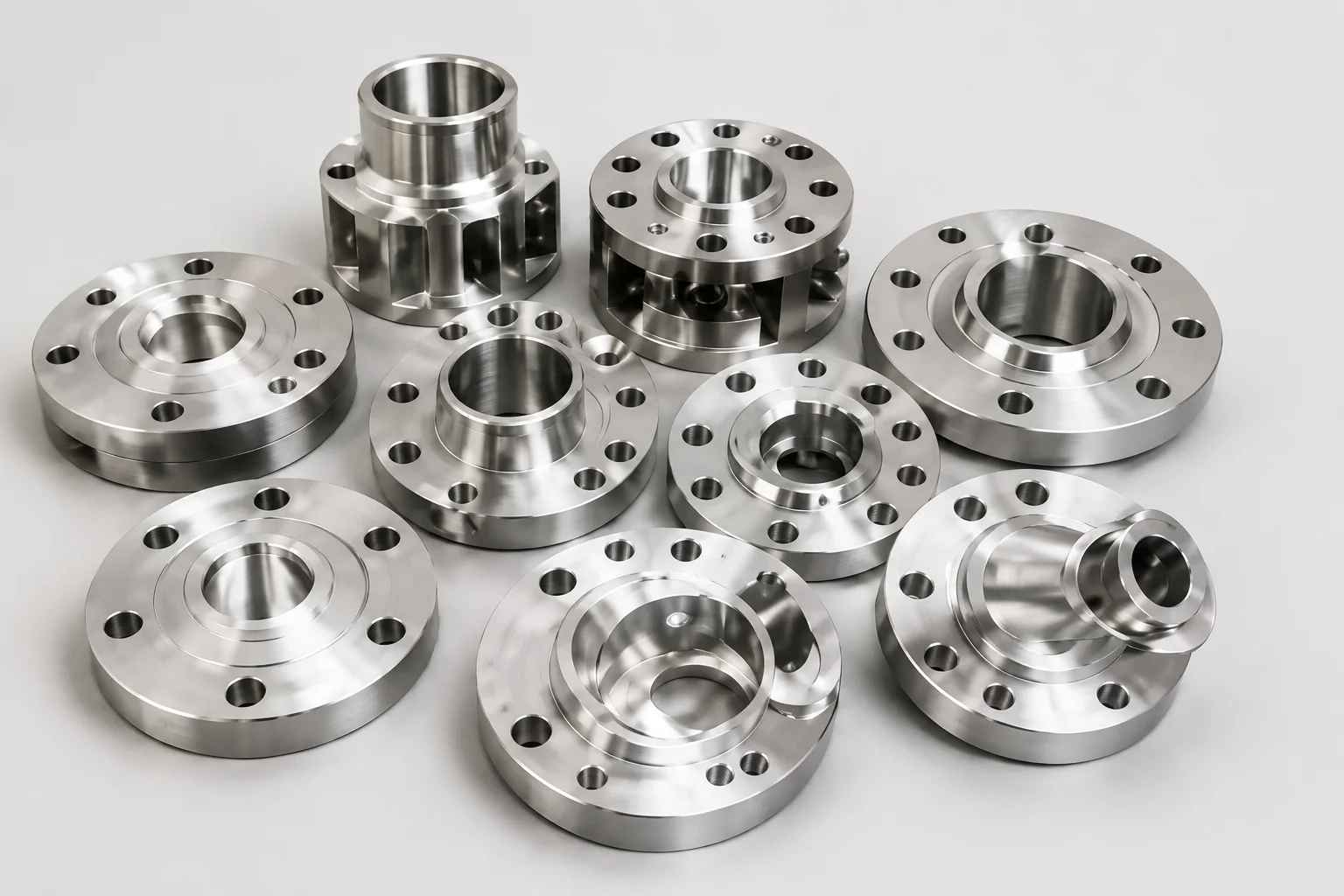
La faccia rialzata e la faccia piatta descrivono la geometria di contatto della guarnizione di una flangia. Una faccia rialzata concentra la sede della guarnizione su un'area anulare all'interno del cerchio dei bulloni. Una faccia piatta estende la superficie di contatto lavorata su tutta la faccia della flangia. Il corretto rivestimento è determinato dallo standard della flangia, dal materiale, dal design dell'attrezzatura, dal sistema di guarnizioni e dalle specifiche del progetto.
La flangia RF e la flangia FF non sono descrizioni intercambiabili. Il rivestimento deve essere incluso nell'ordine di acquisto poiché la stessa dimensione nominale e classe possono essere fornite con diverse opzioni di rivestimento laddove la norma in vigore lo consente.
Perché è importante per i componenti delle tubazioni
La superficie influisce sull'area di contatto della guarnizione, sulla distribuzione del carico dei bulloni, sulla rotazione della flangia e sul rischio di sollecitare eccessivamente i componenti fragili. Una flangia in acciaio a faccia sollevata collegata direttamente a un componente in ghisa grigia a faccia piatta può creare una condizione di carico sfavorevole a meno che il giunto non sia specificamente progettato e approvato.
La scelta della guarnizione deve corrispondere al rivestimento. Una guarnizione ad anello situata all'interno dei bulloni è comune con le facce rialzate. Una guarnizione integrale si estende attraverso la flangia e include fori per bulloni. Queste descrizioni da sole non definiscono il materiale della guarnizione, lo spessore, la pressione nominale o l'idoneità al servizio.
L'ispezione dovrebbe includere la finitura superficiale, la planarità, la corrosione, le ammaccature, i graffi, il rivestimento e la conformità dimensionale. Una flangia corretta con un'area di appoggio danneggiata può ancora presentare perdite.
Metodi, parametri o processo
Esaminare la superficie della flangia, il componente di accoppiamento, la guarnizione e i bulloni come se fossero un unico giunto.
| Caratteristica | Volto sollevato | Faccia piatta |
|---|---|---|
| Zona contatti | Area anulare attorno al foro | Si estende lungo la faccia della flangia |
| Forma comune della guarnizione | Guarnizione ad anello all'interno del cerchio dei bulloni | Guarnizione integrale con fori per bulloni |
| Materiali tipici | Comune su flange in acciaio e leghe | Comune laddove gli standard o i materiali fragili lo richiedono |
| Focus dell'ispezione | Altezza del rilievo, finitura, concentricità | Planarità su tutta la superficie, finitura, condizioni dei bordi |
| Principale rischio di compatibilità | Accoppiamento con componente flat-face non idoneo | Utilizzo della geometria della guarnizione o della base di carico errata |
Lista di controllo dei fornitori e delle ispezioni
- Indicare RF o FF esplicitamente nella richiesta di offerta e nel disegno.
- Confermare che entrambi i componenti di accoppiamento siano compatibili.
- Specificare tipo di guarnizione, materiale, spessore, dimensioni e limiti di servizio.
- Ispezionare l'intera superficie di seduta per graffi radiali e danni da impatto.
- Tenere il rivestimento e il prodotto antiruggine lontani dall'area di seduta, a meno che non siano approvati.
- Controllare l'allineamento e il parallelismo della flangia prima di serrare.
- Utilizzare la procedura di bullonatura, lubrificante e serraggio approvata.
- Non lavorare una faccia da RF a FF o viceversa senza l'approvazione del progetto.
- Confermare eventuali regole speciali per flange in ghisa grigia, plastica, rivestite o per apparecchiature.
Applicazione a raccordi per tubi, valvole e flange
Le flange a collo di saldatura in acciaio, slip-on, cieche, filettate e con saldatura a tasca possono essere fornite con rivestimenti specifici entro i limiti dello standard di prodotto in vigore. Le flange del corpo valvola, gli ugelli della pompa, i filtri e l'attrezzatura di fusione possono imporre ulteriori restrizioni sul rivestimento.
Per le tubazioni in plastica e rivestite, la superficie di tenuta può far parte di un sistema stampato o rivestito anziché di una flangia metallica convenzionale lavorata. La procedura relativa alla guarnizione e alla coppia deve seguire il produttore del componente e la progettazione del progetto.
Domande frequenti
Una flangia a faccia rialzata può accoppiarsi con una flangia a faccia piatta?
Non dare per scontato che sia accettabile. La combinazione richiede la revisione dei limiti relativi a materiali, guarnizioni, standard e apparecchiature.
Cosa significa RF su una flangia?
RF significa faccia rialzata, una superficie di appoggio della guarnizione anulare sollevata sopra la faccia della flangia circostante.
Una guarnizione integrale viene sempre utilizzata su una flangia piana?
È una pratica comune, ma l'esatta disposizione della guarnizione deve seguire il progetto del giunto e le istruzioni applicabili.
È possibile rimuovere la faccia sollevata mediante lavorazione meccanica?
Solo con l'approvazione tecnica e la conferma che la flangia finita rimane conforme e adeguatamente resistente.
L'orientamento determina la classe di pressione?
No. Affrontare è una caratteristica. La valutazione dipende anche dallo standard, dalla classe, dal materiale e dalla temperatura.
Passaggi successivi
Prima di approvare un giunto a flangia, verificare entrambi i rivestimenti e il disegno della guarnizione. Includere fotografie dei frontali delle apparecchiature esistenti quando si ordinano pezzi di ricambio.
Richiedi un preventivo