Visão geral
O revestimento anticorrosivo externo protege tubos de aço, conexões e superfícies de flange selecionadas contra solo, água, sal, produtos químicos, condensação e exposição atmosférica. Os sistemas comuns incluem epóxi líquido, epóxi ligado por fusão, polietileno ou polipropileno multicamadas, poliuretano, revestimentos ricos em zinco, fitas, envoltórios e combinações específicas do projeto. O sistema correto depende do ambiente, da temperatura operacional, do método de instalação, do risco de danos mecânicos e da estratégia de reparo.
O nome do revestimento por si só não é uma especificação completa. O pedido de compra deve definir a preparação da superfície, espessura da película seca, cura, adesão, testes de férias, cortes, tratamento de juntas em campo, manuseio, reparo, cor e documentação.
Por que é importante para componentes de tubos
A falha do revestimento pode começar pela má preparação da superfície, bordas afiadas, contaminação por sal, umidade retida, cura inadequada ou danos no transporte. Um revestimento espesso não é necessariamente um bom revestimento se a adesão e a continuidade forem fracas.
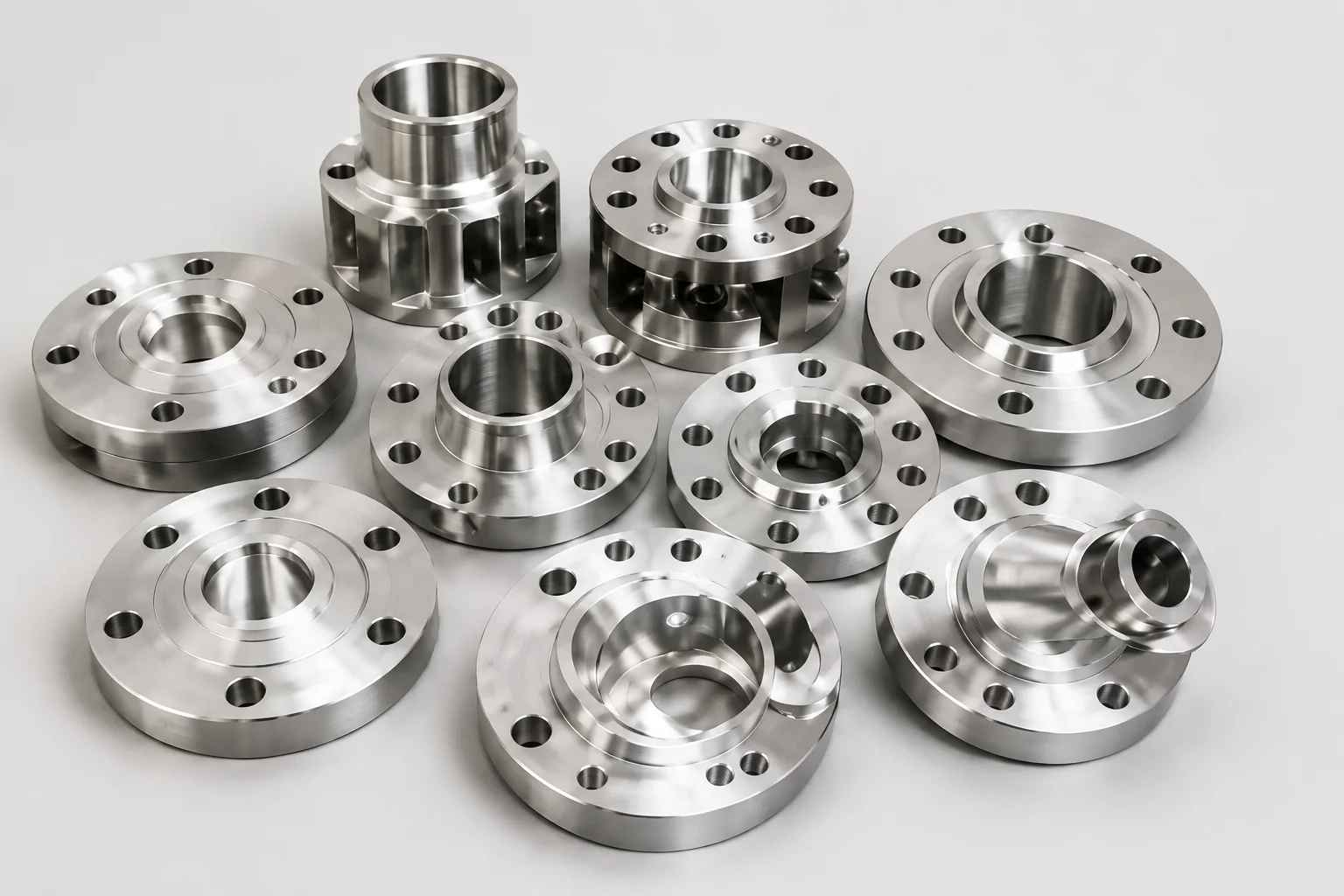
Conexões e flanges são mais difíceis de revestir uniformemente do que tubos retos. Cubos, furos de parafusos, chanfros de solda, faces de gaxetas, roscas, furos de drenagem e marcas de identificação podem exigir mascaramento ou tratamento especial.
O sistema externo também deve trabalhar com proteção catódica, isolamento, condições de sepultamento, proteção contra fogo e soldagem em campo. Camadas incompatíveis ou materiais de reparo não aprovados podem reduzir a vida útil.
Métodos, parâmetros ou processo
Especifique o revestimento como um processo controlado em vez de uma cor ou marca.
| Estágio do processo | Controle necessário | Evidência típica de inspeção |
|---|---|---|
| Preparação de superfície | Grau de limpeza, perfil, poeira, sal, clima | Registro de preparação e medições de perfil |
| Aplicativo | Lote de material, mistura, temperatura, equipamento | Rastreabilidade de lote e log de aplicação |
| Espessura e cura | DFT mínimo/máximo e critérios de cura | Leituras DFT calibradas e teste de cura |
| Continuidade | Tensão e aceitação de teste de férias | Mapa de férias e registro de reparos |
| Adesão | Método de teste e frequência especificados | Relatório de teste e modo de falha |
| Manuseio e reparo | Sistema aprovado de preenchimento, levantamento e reparo | Inspeção final e fotos de liberação |
Lista de verificação de fornecedor e inspeção
- Identifique a exposição atmosférica, enterrada, submersa, isolada ou na zona de respingos.
- Indicar as temperaturas de projeto e instalação.
- Definir a preparação da superfície e os limites ambientais.
- Especifique a espessura do revestimento, a faixa de espessura, a cura e a cor.
- Marque as áreas que permanecerão sem revestimento, incluindo as faces das juntas e as extremidades da solda.
- Defina férias, adesão, impacto e outros testes exigidos pelo projeto.
- Aprovar materiais de reparo e junta de campo antes do envio.
- Inspecione cuidadosamente arestas vivas, soldas, suportes e transições de flange.
- Use eslingas e separadores não prejudiciais durante a embalagem.
- Registre todos os reparos e resultados de aceitação final.
Aplicação em acessórios para tubos, válvulas e flanges
As linhas de revestimento de tubos retos fornecem aplicação controlada, mas cotovelos, tês, redutores, válvulas e flanges podem exigir revestimento manual ou especializado. O plano de inspeção deve levar em conta sua geometria.
Faces de gaxeta de flange, ranhuras RTJ, portas roscadas, furos de soquete e chanfros de solda de topo são normalmente protegidos em vez de revestidos, a menos que o projeto indique o contrário. O preventivo temporário contra ferrugem não deve contaminar as superfícies que serão soldadas ou seladas.
Perguntas frequentes
Qual é o melhor revestimento externo de tubo?
Não existe um melhor sistema universal. Ambiente, temperatura, instalação, risco de danos e estratégia de manutenção controlam a escolha.
A espessura do revestimento é a principal medida de qualidade?
Não. A preparação da superfície, adesão, cura, continuidade e manuseio são igualmente importantes.
As faces dos flanges devem ser revestidas?
As superfícies de assentamento das juntas são normalmente mascaradas ou protegidas, mas a especificação do projeto controla os requisitos.
O que é um teste de férias?
É um teste de continuidade elétrica usado para localizar poros ou descontinuidades em um revestimento não condutor sobre um substrato condutor.
O revestimento danificado pode ser reparado em campo?
Sim, quando um sistema e procedimento de reparo aprovado são usados e o reparo é reinspecionado.
Próximas etapas
Forneça ao fornecedor o ambiente de exposição, temperatura, sistema de revestimento, requisitos de teste, desenho de mascaramento, plano de junta de campo e padrão de embalagem antes do preço.
Solicite um orçamento