Überblick
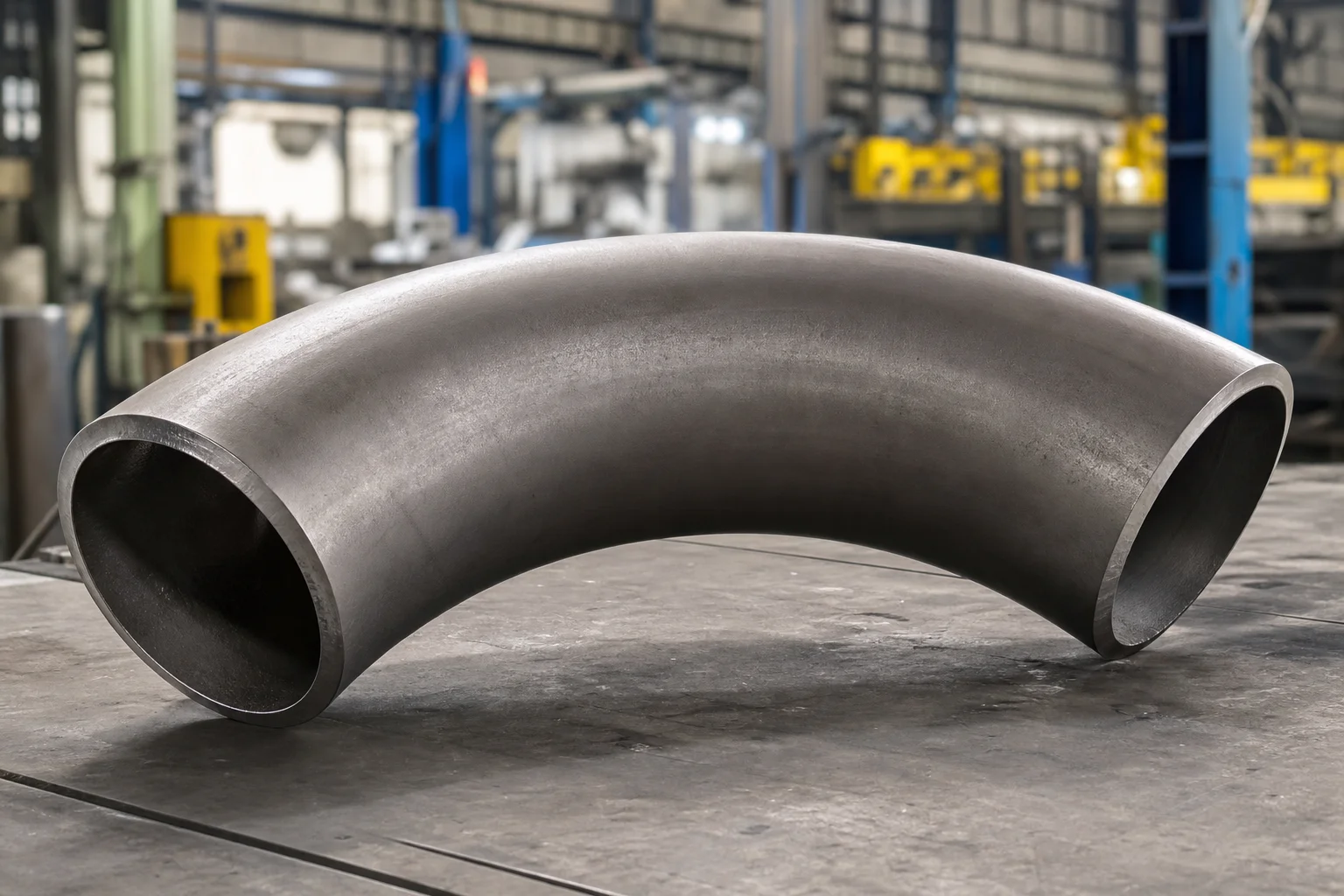
Ein heißer Induktionsrohrbogen wird hergestellt, indem das Rohr durch eine schmale induktionserwärmte Zone geführt wird, während eine kontrollierte Schubkraft und ein Biegearm den erforderlichen Radius und Winkel bilden. Das Verfahren erzeugt Biegungen mit großem Radius mit oder ohne gerade Tangenten und wird häufig für Pipelines, Prozessleitungen, Energiesysteme und Installationen mit großem Durchmesser eingesetzt.
Ein Induktionsbogen ist nicht dasselbe wie ein standardmäßiger ASME B16.9-Winkel. Es besteht normalerweise aus Rohr und wird durch Außendurchmesser, Anfangswandstärke, Biegeradius, Winkel, Tangentenlängen, Materialqualität, Konstruktionsbedingungen, minimale fertige Wand, Wärmebehandlung, Prüfung und Maßtoleranzen spezifiziert. ASME B16.49 legt Anforderungen für werkseitig hergestellte Induktionsbögen zum Stumpfschweißen aus Schmiedestahl für bestimmte Transport- und Verteilungsrohranwendungen fest. Prozess- und Stromleitungen erfordern möglicherweise unterschiedliche Projekt- und Codeanforderungen.
Warum es für Rohrkomponenten wichtig ist
Induktionsbiegen kann im Vergleich zu Mehrfachbögen die Anzahl der Rundschweißnähte reduzieren und eine sanftere Richtungsänderung ermöglichen. Es ist nützlich für große Durchmesser, dicke Wände, nicht standardmäßige Radien und Feldverlegungsanforderungen.
Durch die lokale Erwärmung und Verformung verändern sich auch Wandstärke, Ovalität, Mikrostruktur, Härte und Eigenspannung. Die Extrados neigen dazu, dünner zu werden, während die Intrados dicker werden können. Der Käufer muss daher die minimal erforderliche fertige Wand angeben, anstatt nur den nominalen Anfangsplan zu bestellen.
Die Materialeigenschaften nach dem Biegen sind wichtiger als das Aussehen der fertigen Biegung. Kohlenstoff-, Niedertemperatur-, Edelstahl- und legierte Stähle erfordern möglicherweise unterschiedliche Induktionstemperaturen, Kühlmethoden, Wärmebehandlungen und Qualifikationstests.
Methoden, Parameter oder Prozess
Typische Prozessschritte sind:
1. Überprüfen Sie die Ausgangschemie, Abmessungen, Nahtart und Rückverfolgbarkeit des Rohrs. 2. Qualifizieren oder genehmigen Sie das Biegeverfahren. 3. Markieren Sie die Anforderungen an Biegung, Tangente und Nahtausrichtung. 4. Ein schmales umlaufendes Band durch Induktion erhitzen. 5. Schieben Sie das Rohr durch die Spule, während der Biegearm den Radius steuert. 6. Je nach Material und Verfahren eine kontrollierte Kühlung anwenden. 7. Komplette Wärmebehandlung, wo erforderlich. 8. Enden abschneiden und vorbereiten. 9. Führen Sie eine Maßprüfung, mechanische Prüfung und eine NTE durch. 10. Markieren und schützen Sie die Biegung für den Versand.
| Parameter | Beschaffungsbedarf |
|---|---|
| Außendurchmesser | Geben Sie den tatsächlichen Außendurchmesser oder NPS mit Maßstandard an |
| Startwand | Muss die erwartete Ausdünnung berücksichtigen |
| Mindestens fertige Wand | Geben Sie den erforderlichen Wert nach dem Biegen an |
| Biegeradius | Definieren Sie den Mittellinienradius, z. B. 3D, 5D oder den Projektwert |
| Biegewinkel | Geben Sie Winkel und Toleranz an |
| Tangenten | Definieren Sie die Länge an jedem Ende |
| Material | Spezifikation, Sorte, Wärmebehandlung, Zusatzanforderungen |
| Vorbereitung beenden | Abschrägung, quadratischer Schnitt, Welpenstücke, interner Übergang |
| Testen | Abmessungen, NDE, Härte, mechanische Tests, Hydrotest, falls erforderlich |
„D“ sollte in der Bestellung klar definiert sein, normalerweise als Nennaußendurchmesser oder Nennrohrgröße entsprechend der Projektkonvention. Eine Zeichnung verhindert Missverständnisse.
Checkliste für Lieferanten und Inspektionen
- Bestätigen Sie den geltenden Code und ob ASME B16.49 auf den Dienst anwendbar ist.
- Überprüfen Sie die Zertifikate und Abmessungen der Startrohre.
- Genehmigen Sie das Induktionsbiegeverfahren und die wesentlichen Variablen.
- Definieren Sie die Nahtausrichtung für das geschweißte Startrohr.
- Messen Sie die Wandstärke vor und nach dem Biegen.
- Kartieren Sie Extrados, Intrados, Scheitel und Tangentenübergangsbereiche.
- Überprüfen Sie Biegeradius, Winkel, Tangentenlängen, Ovalität und Endausrichtung.
- Auf Falten, Knicke, Risse, Oberflächenrisse und lokale Abflachungen prüfen.
- Führen Sie die vorgeschriebene NTE des Biegekörpers und der Schweißnaht durch.
- Härte und Hitzeeinflussbereiche prüfen.
- Überprüfen Sie die Aufzeichnungen zur Wärmebehandlung nach dem Biegen.
- Bestätigen Sie die Probenahme- und Akzeptanzkriterien für mechanische Tests.
- Endabschrägung, Unrundheit und Passgenauigkeit vor Ort überprüfen.
- Fordern Sie ein endgültiges Datenbuch für kritische Rohrleitungs- oder Energieversorgungsbögen an.
Anwendung auf Rohrverbindungen, Ventile und Flansche
Induktionsbögen können Gruppen von Standardbögen bei der Verlegung mit großen Radien ersetzen und so die Anzahl der Schweißnähte und den lokalen Druckverlust reduzieren. Sie werden häufig an gerade Rohre, T-Stücke, Reduzierstücke, Ventile oder Vorschweißflansche angeschlossen. Die Tangentenlänge muss ausreichend gerades Rohr zum Schweißen, für die Montage vor Ort, NDE, Stützen und Befestigungen lassen.
In der Nähe von Ventilen oder Flanschen sollte die Biegung keine Fehlausrichtung in die Verbindung hineindrücken. Große Kurven erfordern außerdem Transportstützen und Anschlagpunkte, die eine dauerhafte Verformung verhindern.
FAQ
Was ist der Unterschied zwischen einer Induktionsbeuge und einem Ellenbogen?
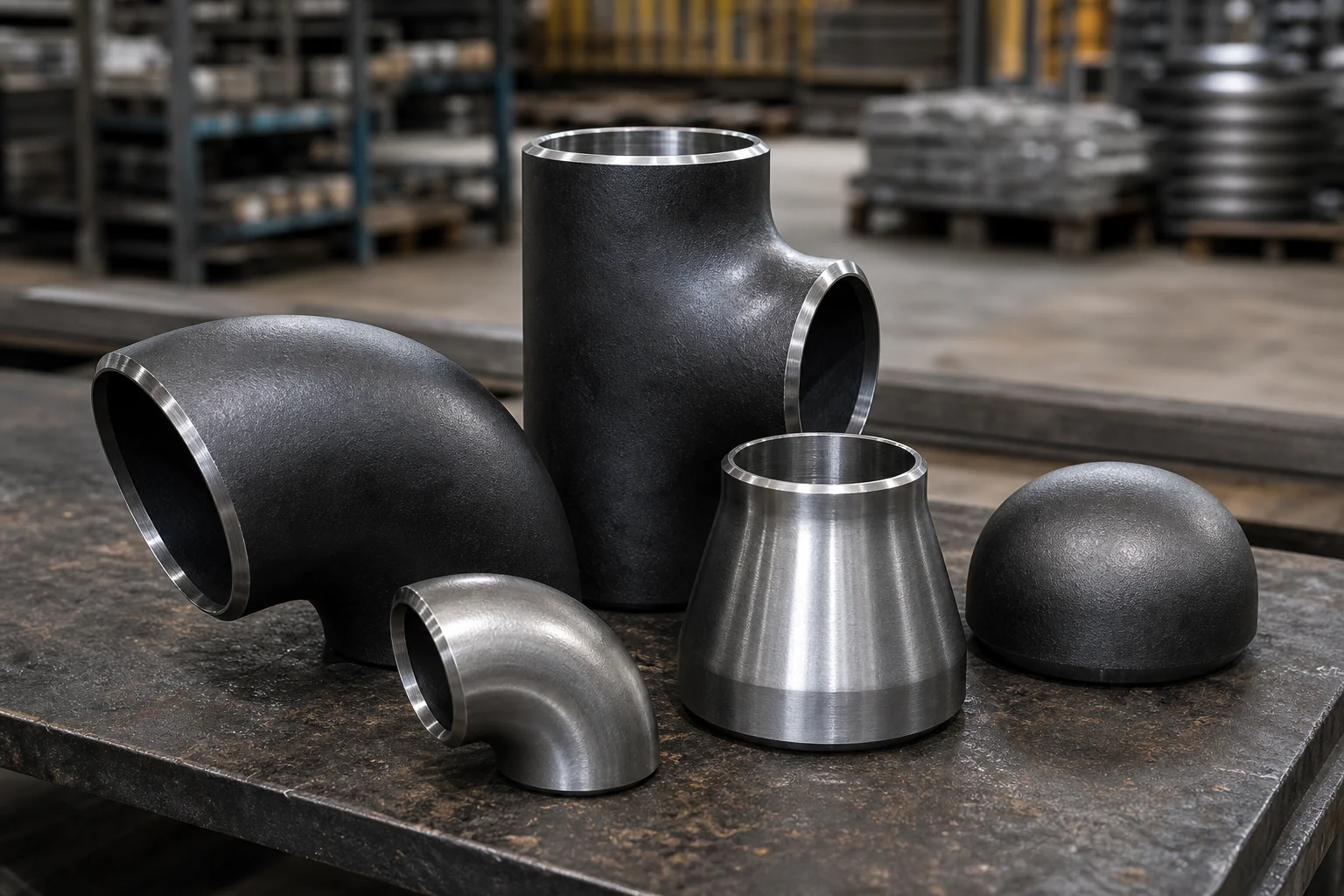
Ein Winkelstück ist ein standardisiertes Formstück mit definierten Mitte-zu-Ende-Abmessungen und üblichen Radien wie 1,5D oder 1D. Ein Induktionsbogen besteht aus einem Rohr und kann einen größeren benutzerdefinierten Radius, einen bestimmten Winkel und Tangenten haben.
Wie groß ist die Wandverdünnung beim Induktionsbiegen?
Es gibt keinen universellen Prozentsatz, der für jede Kurve geeignet ist. Das Ausdünnen hängt vom Radius, dem Verhältnis von Durchmesser zu Dicke, dem Material, der Temperatur, dem Verfahren und der Werkzeugausstattung ab. Geben Sie die minimale fertige Wand an und überprüfen Sie diese durch Messung.
Können geschweißte Rohre induktionsgebogen werden?
Es kann eingesetzt werden, wenn Materialspezifikation, Projektanforderungen, Nahtqualität, Nahtausrichtung und qualifizierte Biegeverfahren dies zulassen.
Gilt ASME B16.49 für alle Induktionsbögen?
Nein. Der Schwerpunkt liegt auf werksgefertigten Induktionsbögen aus Kohlenstoffstahl für Transport- und Verteilungssysteme, die bestimmten Rohrleitungsvorschriften unterliegen. Für Prozess- und Stromleitungen sind möglicherweise andere Code- und Projektanforderungen erforderlich.
Nächste Schritte
Senden Sie die Biegezeichnung mit Außendurchmesser, Anfangswand, minimaler fertiger Wand, Radius, Winkel, Tangenten, Material, Konstruktionsbedingungen, Code, Menge, Wärmebehandlung, Prüfung und Dokumentanforderungen. Eine frühzeitige technische Überprüfung ist für die Auswahl der Startwand und des Verfahrens von entscheidender Bedeutung.
Fordern Sie ein Angebot an