Panoramica
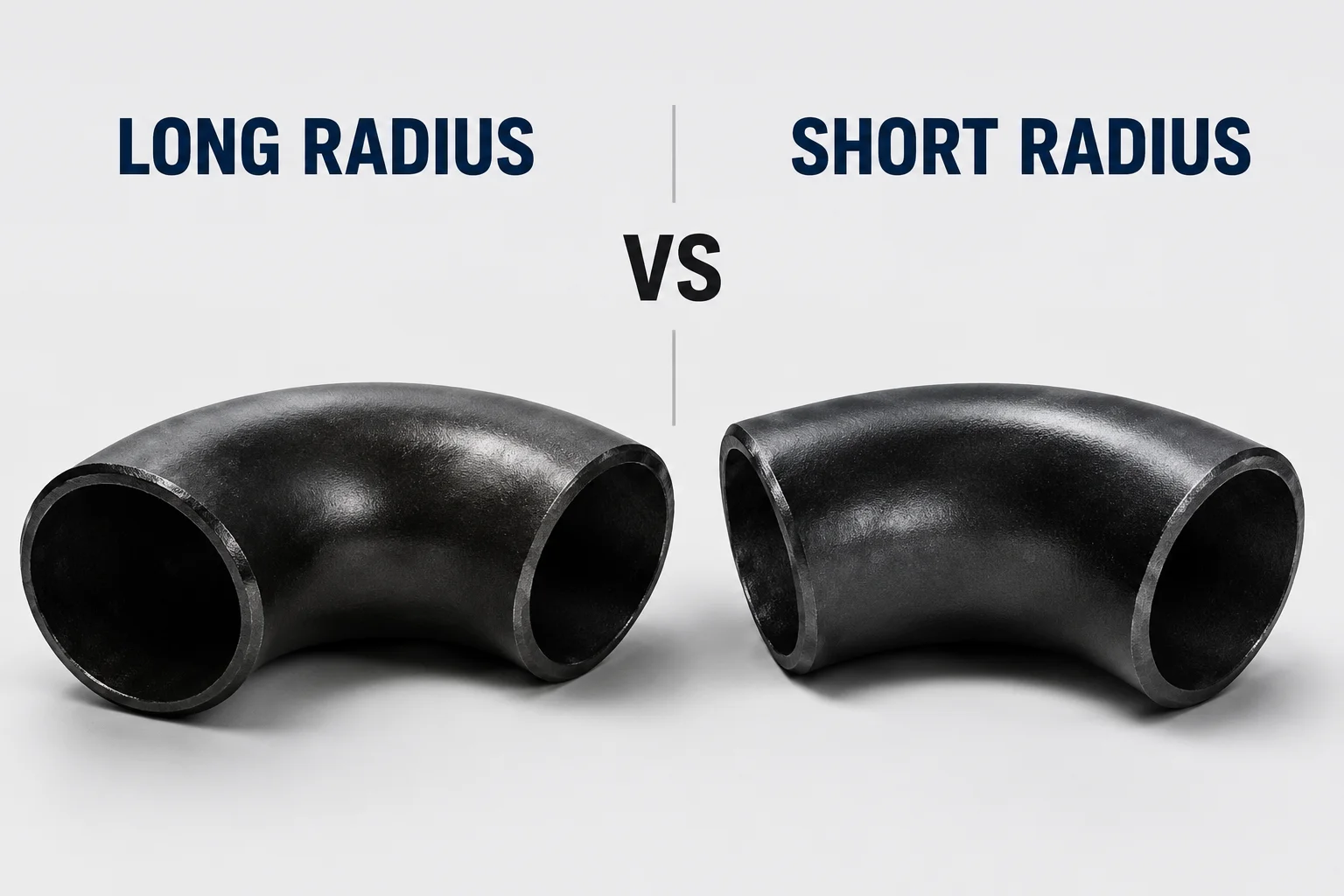
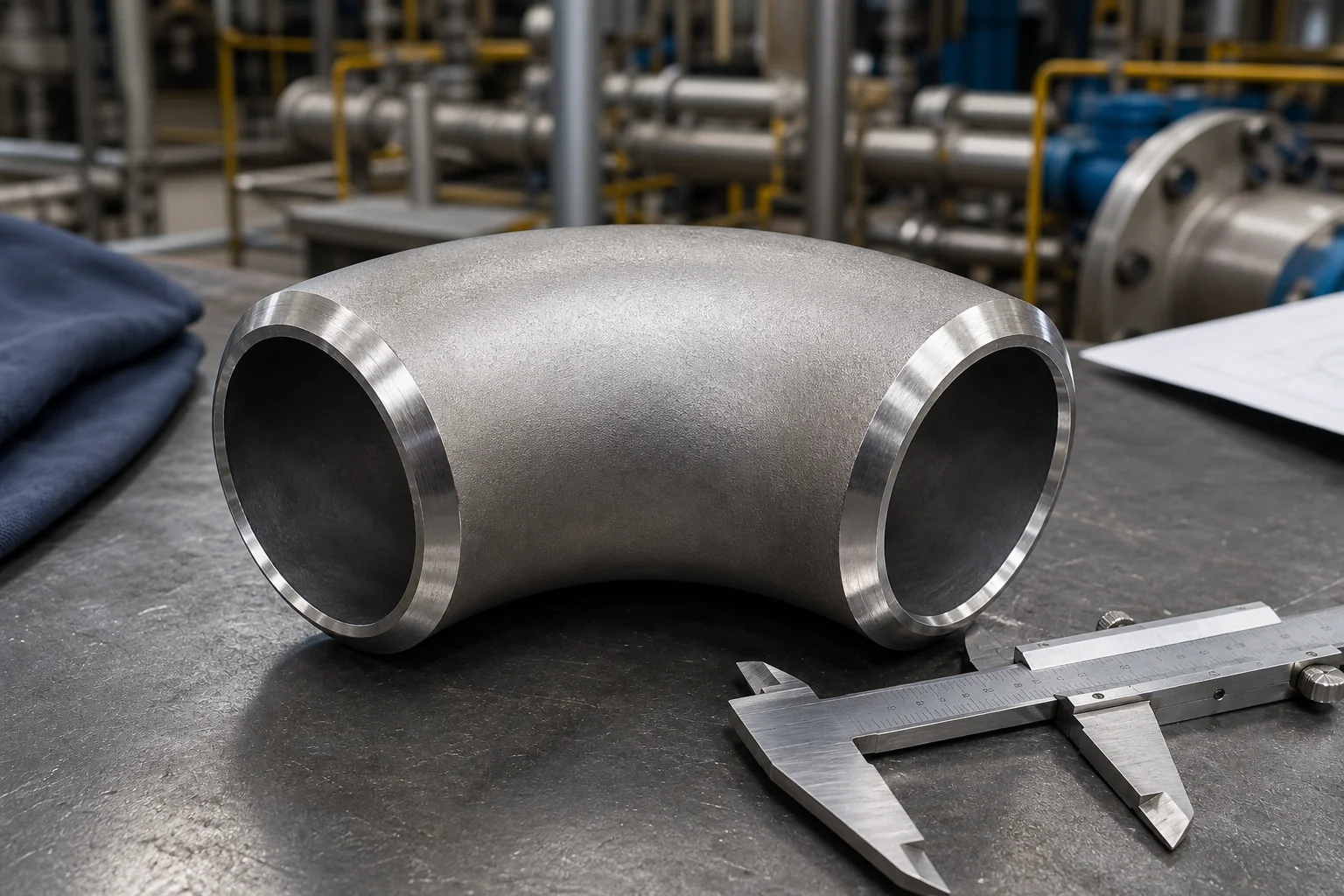
Un gomito con saldatura di testa cambia la direzione di un sistema di tubazioni ed è saldato end-to-end con il tubo di collegamento. Le configurazioni comuni includono gomiti a 45 gradi, 90 gradi e 180 gradi. Le due categorie di raggio più familiari sono il raggio lungo, con un raggio centrale nominale pari a 1,5 volte la dimensione nominale del tubo, e il raggio corto, con un raggio centrale nominale pari a 1,0 volte la dimensione nominale del tubo.
La selezione non dovrebbe essere basata solo sull'angolo. L'acquirente deve inoltre definire la dimensione nominale, la pianificazione o lo spessore della parete, la qualità del materiale, lo standard dimensionale, il tipo di costruzione, lo smusso finale e i requisiti di ispezione. ASME B16.9 è il riferimento dimensionale comune per i gomiti con saldatura di testa realizzati in fabbrica, mentre il materiale è specificato separatamente.
Perché è importante per i componenti delle tubazioni
I gomiti creano perdite di pressione locali, disturbi del flusso e carico meccanico. Un raggio più stretto generalmente richiede meno spazio di installazione ma produce maggiori disturbi del flusso e può aumentare il rischio di erosione nei servizi che trasportano solidi o goccioline. I gomiti a lungo raggio sono quindi comuni nelle linee di processo dove la perdita di pressione e un flusso più regolare sono importanti. I gomiti a raggio corto vengono utilizzati quando lo spazio è limitato e il design della tubazione consente curve più strette.
La qualità della produzione è particolarmente importante all'estradosso, o curva esterna, dove può verificarsi un assottigliamento delle pareti, e all'intradosso, o curva interna, dove possono svilupparsi rughe o ispessimenti locali. Un'ovulazione eccessiva può influenzare l'adattamento, l'allineamento interno e la piggability. Una dimensione da centro a estremità errata può spostare un'intera bobina e creare rilavorazioni sul campo.
Metodi, parametri o processo
| Parametro | Gomito a lungo raggio | Gomito a raggio corto |
|---|---|---|
| Raggio nominale della linea centrale | 1,5D | 1.0D |
| Spazio di installazione | Di più | Meno |
| Transizione del flusso | Più liscio | Più nitido |
| Utilizzo tipico | Sistemi di processo e di pipeline | Layout compatti |
| Nota sugli appalti | Conferma le dimensioni standard da centro a estremità | Conferma la disponibilità per dimensione e angolazione |
"D" nella descrizione del raggio si riferisce alla dimensione nominale del tubo, non al diametro esterno misurato. Le dimensioni esatte da centro a estremità devono essere prese dallo standard dimensionale specificato.
I metodi di produzione comuni includono:
1.Formatura con mandrino a caldo o spinta a caldo:Una sezione di tubo viene riscaldata e spinta su un mandrino di formatura. Il metodo è ampiamente utilizzato per gomiti in acciaio al carbonio e legato. 2.Formatura o pressatura a caldo:Una sezione tagliata viene riscaldata e formata in stampi, spesso per grandi dimensioni o spessori di parete speciali. 3.Formatura a freddo:Adatto per materiali e dimensioni selezionati, seguito da trattamento termico quando richiesto dalle specifiche del materiale. 4.Costruzione saldata:I gomiti più grandi possono essere prodotti da tubi saldati o piastre formate secondo una specifica applicabile e un percorso di produzione qualificato.
I parametri chiave di acquisto includono angolo, raggio LR o SR, NPS/DN, pianificazione, qualità del materiale, standard, lunghezza tangente, se presente, costruzione senza saldature o saldata e dettagli smussati. Per i gomiti a parete spessa, l'ordine deve riguardare la transizione del foro e il massimo disadattamento interno.
Lista di controllo dei fornitori e delle ispezioni
- Verificare la categoria dell'angolo del gomito e del raggio rispetto alla linea isometrica.
- Controllare le specifiche del materiale, il grado e il numero di colata.
- Misurare il diametro esterno su entrambe le estremità e controllare l'ovalizzazione.
- Confermare lo spessore della parete alle estremità, all'intradosso, alla corona e all'estradosso.
- Controllare le dimensioni da centro a estremità e la deviazione angolare.
- Ispezionare eventuali rughe, pieghe, crepe, laminazioni, ammaccature e molatura eccessiva.
- Verificare l'angolo dello smusso, la superficie della radice, l'ortogonalità delle estremità e la transizione del foro.
- Esaminare i registri dei trattamenti termici quando richiesto.
- Specificare test di durezza, PMI, test con particelle magnetiche, test con liquidi penetranti o test a ultrasuoni laddove il servizio o le specifiche di acquisto li richiedano.
- Confermare che la marcatura permanente rimanga tracciabile dopo il rivestimento.
- Proteggi gli smussi lavorati durante lo stoccaggio e il trasporto.
- Per gomiti grandi o speciali richiedere rapporto di controllo dimensionale con valori misurati.
Applicazione a raccordi per tubi, valvole e flange
I gomiti con saldatura di testa vengono utilizzati vicino a raccordi a T, riduttori, flange, pompe e valvole, quindi la loro geometria influenza la disposizione completa delle tubazioni. I progettisti spesso richiedono tubi diritti a monte o a valle di misuratori di portata, valvole di controllo o pompe. Un gomito posizionato troppo vicino ad apparecchiature sensibili può creare vortici o una distribuzione non uniforme della velocità.
In corrispondenza di una flangia con collo saldato, la schedula del gomito e il foro devono essere compatibili con il foro della flangia e il tubo di collegamento. In prossimità di una valvola è necessario uno spazio sufficiente per l'operatore, l'attuatore, i bulloni, l'isolamento e la manutenzione futura. Nelle bobine fabbricate, la precisione dimensionale del gomito determina se le facce delle flange rimangono parallele e i fori dei bulloni si allineano in sito.
Domande frequenti
Un gomito a lungo raggio è sempre migliore di uno a corto raggio?
No. Un gomito a lungo raggio offre solitamente un cambio di direzione più fluido, ma richiede più spazio. Un gomito a raggio corto può essere appropriato nei sistemi compatti quando consentito dalla normativa di progettazione, dall'analisi delle sollecitazioni e dai requisiti di processo.
La Programmazione 40 indica lo stesso spessore di parete per ogni dimensione di tubo?
No. La pianificazione è una serie basata sullo spessore della parete. Lo spessore effettivo cambia con la dimensione nominale del tubo. L'ordine di adattamento dovrebbe indicare sia la dimensione che il programma.
È possibile collegare un gomito con saldatura di testa a un tubo con spessore di parete diverso?
Può essere eseguita solo con una transizione interna ingegnerizzata o una preparazione del foro corrispondente che soddisfi il codice delle tubazioni applicabile e le specifiche di saldatura. La mancata corrispondenza dovrebbe essere identificata prima della produzione.
Qual è l'area più importante per l'ispezione dello spessore delle pareti?
L'estradosso viene comunemente controllato attentamente perché la formazione può ridurre lo spessore della parete in quel punto. Secondo il piano di ispezione, le misurazioni dovrebbero coprire anche l'intradosso, la corona e entrambe le estremità.
Passaggi successivi
Inviare l'angolo del gomito, il raggio, le dimensioni, la pianificazione, il materiale, lo standard, la quantità e i documenti di ispezione richiesti per la conferma tecnica. Per gomiti a parete spessa, di grande diametro o con raggio speciale, includere il disegno della tubazione e i requisiti minimi di parete.
Richiedi un preventivo